





When the head of the world’s top energy watchdog issues a warning, it pays to listen. Fatih Birol of the International Energy Agency (IEA) has cautioned that the global energy crisis is far from over, with significant consequences ahead.
Who is Sounding the Alarm?
Dr. Fatih Birol
is the Executive Director of the International Energy Agency (IEA), an influential Paris-based organisation formed in the 1970s to help coordinate a collective response to major disruptions in the oil supply. Today, the IEA provides authoritative analysis, data, and policy recommendations on the entire global energy sector. Birol, a distinguished energy economist, has been at its helm since 2015. His recent statements, made at the Singapore International Energy Week, carry significant weight for governments and corporations worldwide as they navigate an increasingly volatile energy landscape.
The Core of the Warning: No Easy Return to Normal
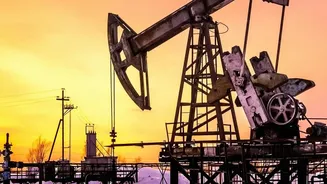
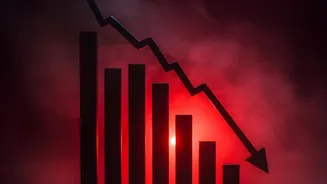
The central message from Birol is stark: global energy markets are unlikely to return to the pre-war conditions of early 2026 anytime soon, possibly not even in 2027. The ongoing conflict in the Middle East has severely disrupted energy supplies, tightening markets that were already under strain. This has led to oil prices 'flirting with $120 a barrel' and even sharper increases for refined products like diesel. Birol stressed that 'trust is the scarcest commodity in the energy markets today', urging governments and businesses to make energy security their number one priority.
Why Is This Happening Now?
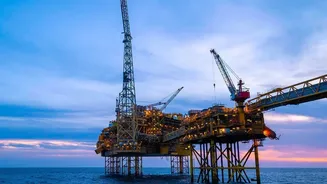
The current crisis is a result of multiple overlapping factors. Geopolitical conflict has disrupted key supply routes and production, particularly oil and gas flows from the Middle East. This has hit Asian economies especially hard, as many relied heavily on energy transiting through the Strait of Hormuz. Beyond the immediate conflict, the IEA has also previously warned about a structural issue: years of underinvestment in new oil and gas projects. While the push toward clean energy is crucial, the transition is not happening fast enough to offset the natural decline of existing fossil fuel fields. The agency has warned that without new upstream investment, the world could face significant supply shortfalls.
The Ripple Effect on India
For India, a nation that imports over 85% of its crude oil, such global volatility is a major economic threat. High global oil prices directly translate to a wider trade deficit, inflationary pressure, and increased costs for everything from transportation to manufacturing. This pressure comes at a time when India's domestic energy system is already strained. Recent power shortages have been driven by extreme weather, which has curbed hydropower and increased demand for air conditioning, leading to critically low coal stocks at power plants. A prolonged global energy crisis means India will have to pay more for its energy imports, straining public finances and impacting the budgets of households and businesses alike.
A Complicated Path Forward
Birol's assessment isn't just about fossil fuels; it also highlights the complexities of the green transition. He noted that the crisis is accelerating the 'Age of electricity', with a surge in electric vehicle sales and a 'strong comeback' for nuclear power, with the highest level of new construction in four decades. However, he also warned about new dependencies forming in clean energy supply chains, where the manufacturing of solar panels, batteries, and other technologies is highly concentrated in a small number of countries. This creates a new set of energy security risks. For India and the world, the path forward involves a delicate balancing act: securing stable and affordable energy today while accelerating a resilient and diversified transition to the clean energy systems of tomorrow.