




The Unseen Dangers in Plain Sight
In the rhythm of daily life, our brains grow accustomed to the layout of our homes. We navigate around the coffee table and step over the dog's favourite nap spot without a second thought. This mental autopilot is efficient, but it can also make us blind
to small, temporary changes. When you draw the curtains against the afternoon sun or shift an armchair to vacuum, you create new patterns of light and dark. These unfamiliar shadows can easily conceal a small child or a pet, turning a familiar space into a zone of unseen risk. Accidental injuries are a leading cause of harm for young children, with a significant number occurring within the home itself. It only takes a moment for a child to move into a blind spot.
A Toddler's World of Wonder and Risk
Toddlers are natural explorers. Their world is one of texture, curiosity, and a desire to investigate every nook and cranny. A newly formed shadow behind a sofa or beneath a desk can seem like a fascinating cave or a perfect spot for a quiet game. Many toddlers go through a normal developmental phase of hiding, often seeking privacy or a sense of control. The danger arises when this innocent exploration intersects with the movements of others. A rolling office chair, a reclining armchair, or even an adult quickly turning around can lead to a fall or injury if a small child is hidden from view. Experts recommend getting on your hands and knees to see the world from a child's perspective, which can reveal hazards you would otherwise miss.
Don't Forget Your Furry Friends
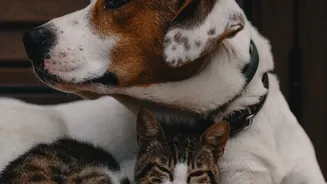
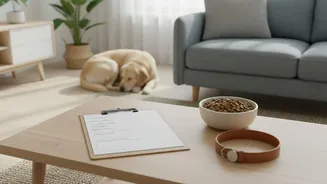
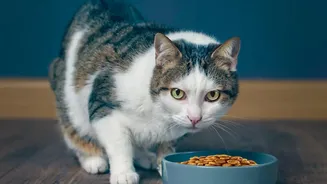
The same logic applies to our animal companions. Cats are masters of finding quiet, dark places to rest, and small dogs often curl up in unexpected spots for a nap. A sunbeam shifting across the floor might cause them to relocate to a new, cooler shadow under a piece of furniture. These hidden resting spots put them at risk. Reclining chairs are a known hazard, as their moving mechanisms can trap a paw or tail. Dangling electrical cords hidden in shadows can also present a chewing hazard, creating a risk of electric shock or fire. By being mindful of where our pets might be, we can prevent tragic accidents before they happen.
Cultivating a Habit of Awareness
The solution isn't to live in a state of constant alert, but to cultivate a simple, mindful habit: a quick scan for new shadows before you move. Before you lean back in your recliner, roll your chair away from your desk, or quickly pivot in the kitchen, take a half-second to glance at the floor around you. This small pause can become second nature, much like checking your blind spot before changing lanes while driving. Enhancing home safety is often about changing parental or caregiver behaviour through closer supervision and environmental adjustments. You can also reduce deep shadows by using softer, more diffuse lighting. For times when you can't be fully attentive, using safety gates to create a designated safe zone for a crawling baby or a new puppy is an effective strategy.
Simple Changes for a Safer Home
Beyond checking for shadows, a few other adjustments can significantly reduce the risk of household accidents. Anchoring heavy or tall furniture to the wall is crucial to prevent tipping, which is a common cause of serious injury. Covering sharp corners on low tables can prevent cuts and bruises during active play. Keeping floors clear of clutter reduces trip hazards for everyone and removes potential hiding spots for small objects that could become choking hazards. The goal is to create an environment where curiosity is safe and exploration doesn't lead to the emergency room. Most of these incidents are preventable through increased awareness and simple modifications to the home environment.