









Understanding the Evidence Gap
The first thing to understand is that supplements are not regulated like medicines. In India, the Food Safety and Standards Authority of India (FSSAI) oversees supplements, but this framework is different from drug approvals. Unlike pharmaceuticals, which
must undergo rigorous testing to prove they are both safe and effective for treating specific conditions, most supplements don't require pre-market approval to demonstrate their effectiveness. This means a product can be sold based on having safe ingredients, but its health claims might not be backed by strong scientific evidence. While some supplements, like folic acid for pregnancy or vitamin D for bone health, have well-documented benefits, many others are sold on the basis of limited or preliminary studies. Consumers are often left to navigate a market filled with grand promises that may not stand up to scientific scrutiny.
Safety Checks and Regulation
While the supplement industry is regulated, the onus is largely on manufacturers to ensure their products are safe and that the labels are truthful. The FSSAI sets rules for what can be included in supplements, labelling requirements, and Good Manufacturing Practices (GMP). However, the booming market means that enforcement can be challenging. The risk with supplements comes from several areas. First is the issue of contamination with unlisted substances, including heavy metals or even banned drugs. Second is the risk of taking too much. High doses of certain vitamins, especially fat-soluble ones like A, D, E, and K, can be toxic and lead to health problems like liver damage. Finally, supplements can interact with prescription medications in dangerous ways. For example, St. John's wort can interfere with antidepressants, and Vitamin K can reduce the effectiveness of blood thinners.
Setting Realistic Expectations
It’s crucial to remember the name: supplements are meant to ‘supplement’ your diet, not replace healthy eating. No pill can undo the effects of a poor diet, lack of exercise, or insufficient sleep. Many people turn to supplements to fill nutritional gaps, and this can be valid. Large portions of the population have deficiencies in nutrients like vitamin D and B12. However, supplements are not a magic bullet. The FSSAI strictly prohibits claims that a supplement can treat, cure, or prevent any disease. Be wary of products marketed with dramatic before-and-after photos or testimonials that sound too good to be true. Claims like “supports immunity” or “contributes to bone health” are generally permissible if backed by evidence, but a supplement should never be seen as a substitute for medical treatment.
How to Be a Smart Supplement User
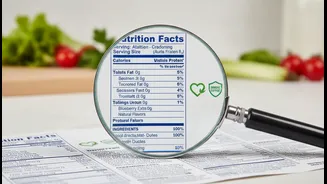
Navigating the world of supplements requires a critical and informed approach. The most important first step is to talk to your doctor or a registered dietician. They can help you identify if you have any actual nutrient deficiencies, possibly through a blood test, and recommend what, if anything, you need to take. When choosing a product, look for the FSSAI license number on the label, which indicates it is registered with the food safety authority. Also, check for third-party certifications from organisations like NSF, USP, or an accredited lab, which verify that the product contains what the label says and is free from contaminants. Be skeptical of marketing hype, especially online, and always read the full ingredient list, not just the front of the bottle. And remember, more is not better; stick to the recommended dosage unless advised otherwise by a healthcare professional, as over-supplementation can be harmful.