




The Enduring Comfort of Monsoon Classics
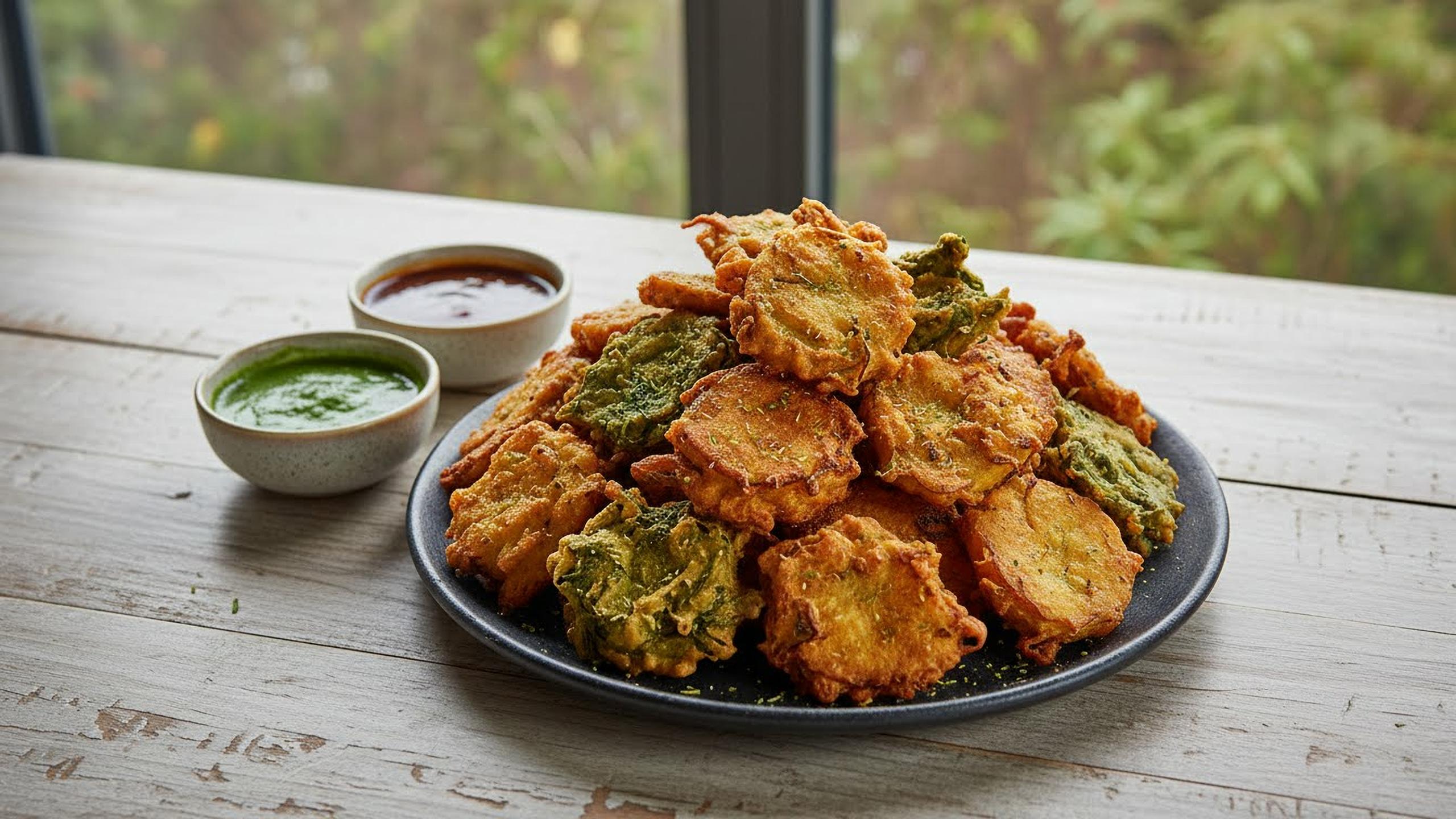
For generations, the arrival of rain has signalled a shift in the Indian kitchen. The craving for something hot, savoury, and comforting is a shared emotion across the country. Steaming cups of adrak chai paired with freshly fried pakoras are not just
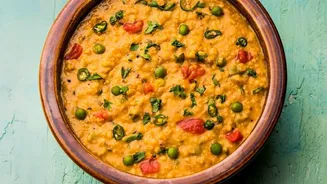
a snack but a cherished ritual. Dishes like khichdi served with a dollop of ghee, spicy samosas, and roasted corn on the cob (bhutta) become staples. This culinary tradition is rooted in more than just taste; it's a practical response to the season. Ayurveda suggests that the body's digestive fire (agni) is weaker during the humid monsoon, making warm, lightly spiced, and easily digestible foods ideal. Ingredients like ginger, turmeric, and black pepper, known for their immunity-boosting and digestive properties, feature heavily in regional monsoon cuisines, from Kerala's karkidaka kanji to Tamil Nadu's milagu kuzhambu.
The Market Reality: Climate on a Plate
While tradition holds strong, the modern reality is that climate change and erratic weather patterns are directly impacting the cost and availability of monsoon essentials. Uneven monsoon rains in recent years have led to significant price volatility for key vegetables. Staples like tomatoes, onions, ginger, and garlic have seen sharp price hikes in several markets, putting a strain on household budgets. This economic pressure is forcing a re-evaluation of classic recipes. A weak or delayed monsoon can disrupt the supply of not just vegetables but also pulses and other rain-fed (Kharif) crops, which form the backbone of many regional diets. This development means that the simple act of making a traditional monsoon meal now involves a new layer of economic calculation, as families navigate fluctuating prices for ingredients that were once affordably abundant.
The Health-Conscious Makeover
Alongside economic shifts, a growing health consciousness is reshaping how Indians enjoy their favourite monsoon snacks. While the love for fried food persists, there's a significant trend towards healthier preparation methods. The deep-fryer is increasingly making way for the air-fryer and the oven. Recipes for baked samosas, air-fried pakoras, and steamed dhokla are gaining popularity, promising the same comforting crunch with a fraction of the oil. This movement is also about what's being added. There's a renewed focus on immunity-boosting ingredients. Turmeric milk, ginger-based concoctions, and soups packed with seasonal vegetables like beetroot and carrot are becoming monsoon must-haves. This isn't about rejecting tradition but adapting it to modern wellness goals, ensuring that comfort food can also be nourishing.
A Return to Roots and Forgotten Greens
Another exciting development is the rediscovery of indigenous and hyperlocal ingredients. Chefs and home cooks are looking beyond common vegetables and exploring a rich variety of uncultivated greens and ancient grains that thrive during the monsoon. Wild leafy vegetables like ambadi (sorrel leaves) and phodshi are making a comeback in regional markets, celebrated for their unique flavours and nutritional benefits. Similarly, millets such as nachni (finger millet), jowar, and bajra are being embraced once again. These grains are not only resilient to changing weather patterns but are also packed with fibre and nutrients, making them a perfect fit for a modern, health-aware monsoon diet. This trend represents a move towards a more sustainable and diverse food system, reviving agricultural and culinary wisdom that had been fading.
Navigating Street Food with New Wisdom
No discussion of monsoon food is complete without mentioning street food. However, concerns over hygiene, particularly waterborne illnesses, are more pronounced during this season. This has led to a shift in consumer behaviour. While the craving for street-side vada pav or chaat remains, people are more cautious. Food safety authorities like FSSAI advise extra vigilance, and consumers are responding by opting for freshly cooked, piping hot items over anything with raw chutneys or unboiled water. This has given rise to curated 'monsoon menus' in restaurants and cafes, offering hygienic versions of street food classics. The current development is a balancing act: satisfying the powerful craving for street food while mitigating the associated health risks through smarter choices.