



Tokyo's High-Stakes Reality
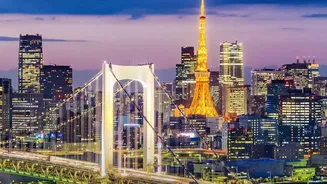
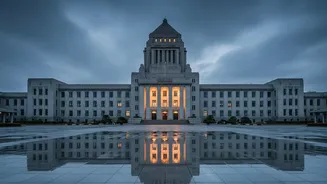
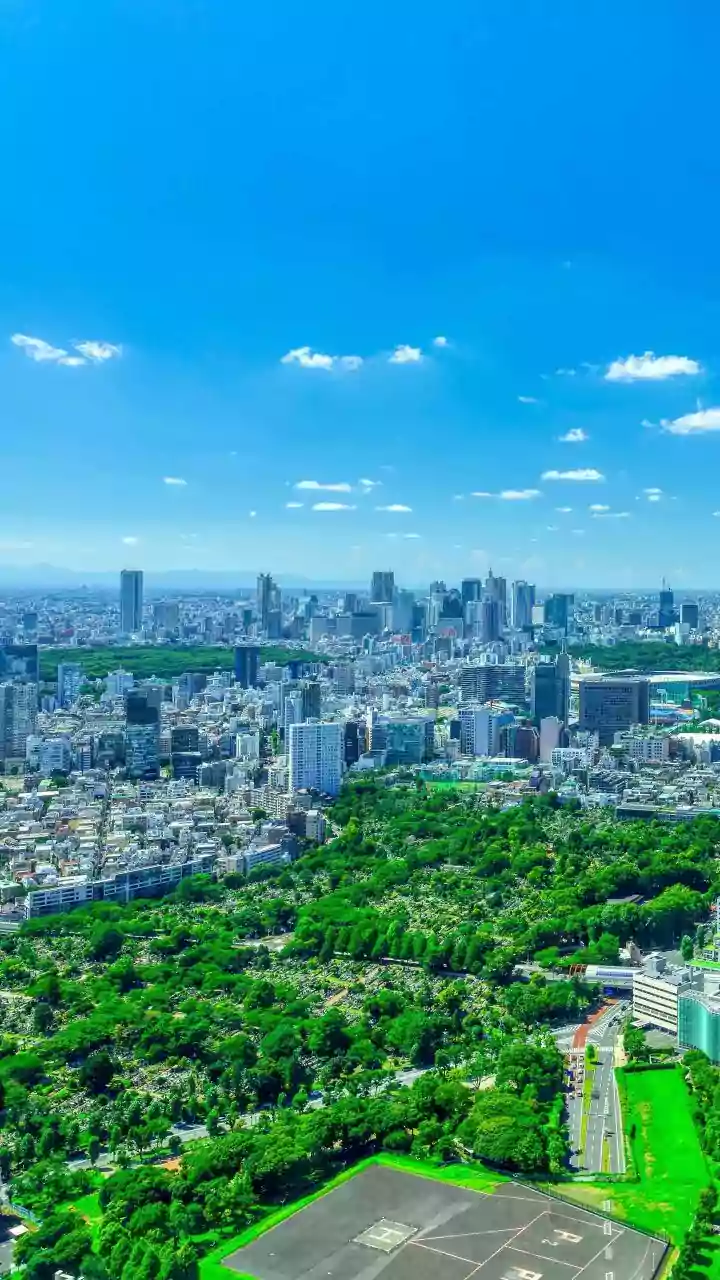
Tokyo is one of the most important megacities on Earth. The Greater Tokyo area is home to about 30% of Japan's population and generates roughly a fifth of its entire economic output. It hosts the government, the Imperial Palace, the country's largest
stock exchange, and the headquarters of countless global corporations. But this concentration comes with immense risk. Japan sits on the Pacific Ring of Fire, making it one of the world's most seismically active countries. Government estimates predict a 70% probability that a major earthquake of magnitude 7 or higher will strike the Tokyo metropolitan area within the next 30 years. Such an event could paralyze the nation's political, administrative, and economic functions, with potential ripple effects across the globe.
A Plan for National Resilience
The recently approved law doesn't aim to move the capital from Tokyo. Instead, it creates a legal framework to designate one or more 'secondary' or 'backup' capitals. In the event of an emergency that incapacitates Tokyo, this pre-selected region would temporarily take over essential government functions to ensure continuity of the state. The initiative serves a dual purpose: beyond disaster preparedness, it's also designed to address the long-standing issue of economic and demographic over-concentration in Tokyo, hopefully spurring regional growth. The government plans to offer incentives like tax breaks to encourage businesses to move some functions to the designated backup city.
The Race to Become 'Plan B'
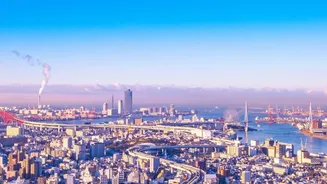
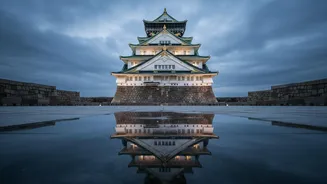
With the system now approved, a competition is heating up among several major prefectures to earn the designation. The front-runners include Osaka, Aichi (home to Nagoya), Fukuoka, and Hokkaido (home to Sapporo). Osaka, a major economic hub and the political base of the Japan Innovation Party—a key coalition partner in the government—is often seen as the leading candidate. Aichi Prefecture's governor has highlighted its manufacturing prowess, noting its shipment value ranks first in the nation. Fukuoka is promoting its strategic location in western Japan on the Sea of Japan, which could insulate it from a Pacific tsunami that might threaten Tokyo. Each candidate must demonstrate it has the infrastructure, population, and administrative capacity to step in during a crisis.
An Old Idea Gains New Urgency
The idea of decentralizing Japan's capital functions is not new. Discussions about relocating parts of the government to alleviate overcrowding in Tokyo have been happening since at least the 1970s. In 1990, the national Diet passed a resolution to relocate government functions, and the devastating 1995 Kobe earthquake further highlighted the nation's vulnerabilities. However, past proposals failed to gain traction, including referendums in Osaka in 2015 and 2020. The recent legislative success marks a significant shift, pushed forward by a political agreement between the ruling Liberal Democratic Party and the Osaka-based Japan Innovation Party, signaling a newfound political will to finally act on this decades-old concern.
The Challenges Ahead
While the framework is in place, the path forward is complex and will likely take many years, if not decades, to fully realize. The selection process itself has become a point of political debate, with some critics arguing the plan may unfairly favor Osaka due to its connection with a key government coalition partner. Significant investment will be needed to upgrade infrastructure in the chosen city or cities. To qualify, candidate regions must meet specific criteria, which can include complex administrative reorganizations. For example, Osaka may need to hold another referendum to restructure its government, a move that has been rejected by voters before. Despite these hurdles, the formal approval of the system is a landmark decision in Japan's long-term strategy for survival and stability.