







What Are AI Gigafactories?
The term “gigafactory” might bring to mind massive battery plants, but the EU has repurposed it for the digital age. AI Gigafactories are large-scale, purpose-built supercomputing facilities designed specifically for the intense demands of developing
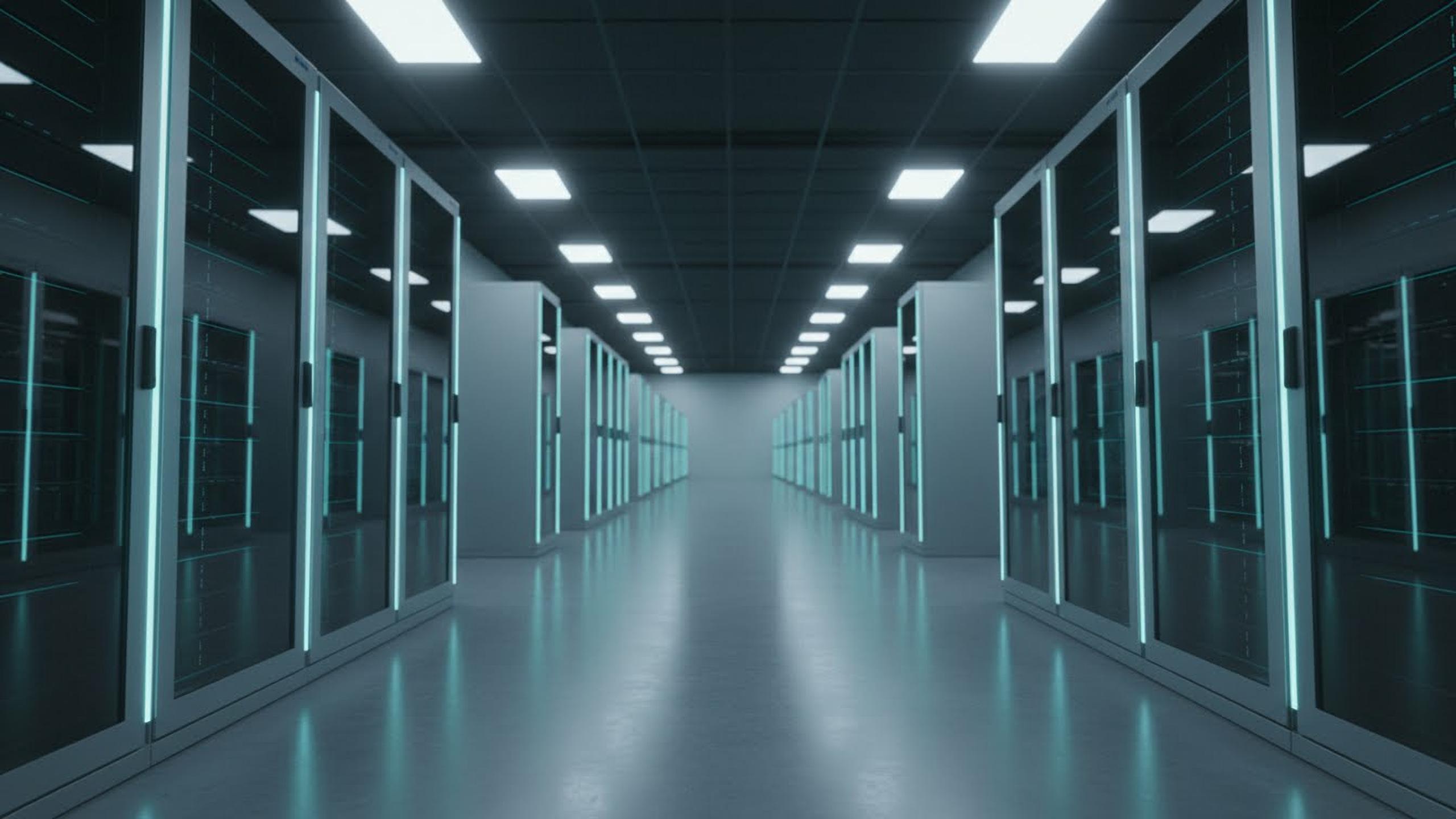
and training the next generation of artificial intelligence. Think of them not as typical data centres, but as powerful hubs that bring together four key elements in one place: massive AI-optimised computing power with over 100,000 advanced processors, high-capacity data storage and networking, access to secure data, and the vast power and cooling infrastructure needed to run it all. This initiative is distinct from the EU's smaller-scale "AI Factories," which offer more general access to supercomputing. Gigafactories are built for the frontier, designed to handle the entire lifecycle of the most advanced AI models.
A Strategic Push for Digital Sovereignty
The Gigafactories are the centrepiece of the EU's broader 'AI Continent' action plan, a strategy designed to bolster Europe's position in the global AI race against the US and China. For years, Europe has been a leader in AI regulation, most notably with the AI Act, but has lagged in producing foundational models. This €20 billion initiative, a mix of public and private funding, aims to change that by directly addressing the computational bottleneck that has hindered European innovation. The goal is to create a world-class supercomputing ecosystem, reducing reliance on non-European technology providers and ensuring that the development of powerful AI aligns with EU values and rules. It represents a fundamental shift from the EU acting primarily as a regulator to becoming an active builder of technological capacity.
What Changes for AI Companies?
For AI companies, especially startups and small to medium-sized enterprises (SMEs), the Gigafactories are a game-changer. The biggest barrier for many smaller players is the prohibitive cost of the computing power needed to train large-scale AI models. The EuroHPC Joint Undertaking, which manages these facilities, provides access that functions as an in-kind compute subsidy. Eligible startups and SMEs can get free access for innovation purposes, levelling the playing field with large corporations that can afford to build their own infrastructure or pay for massive cloud computing contracts. The access is tiered, with modes like 'Playground' for entry-level users and 'Large Scale' for those needing more than 50,000 GPU hours. For larger enterprises, the Gigafactories offer a collaborative ecosystem and a clear pathway to develop AI solutions that are compliant with the EU AI Act from the ground up.
A New Frontier for Researchers
The academic and research community also stands to benefit immensely. The initiative aims to democratise access to high-performance computing, which has traditionally been concentrated in the private sector or a few elite institutions. Through the 'AI for Science and Collaborative Projects' track, researchers from public and private organisations can get free access to these supercomputers for publicly funded research. This will enable them to work on advanced foundation models, generative AI, and large language models that were previously beyond their reach. The initiative fosters collaboration by linking supercomputing centres with universities and research hubs across Europe, creating a pan-European ecosystem for AI innovation. This helps bridge gaps between talent pools and computing resources, accelerating scientific discovery driven by AI.
Potential Hurdles on the Horizon
Despite the ambitious vision, the initiative faces challenges. One major concern is the reliance on a single supplier for the advanced chips powering these facilities, which could undermine the very technological sovereignty the EU seeks to achieve. There are also questions about whether the facilities can be built and upgraded fast enough to keep pace with the rapid evolution of AI technology. Furthermore, the sheer energy and resource consumption of these massive data centres raises significant environmental questions that need to be addressed. Finally, ensuring that access is streamlined and avoids bureaucratic hurdles will be critical to its success, as startups and researchers need to move quickly to stay competitive.