





From Bean to Brew: What is 'Specialty Coffee'?
Before we dive into its journey across India, let’s clarify what 'specialty coffee' really means. It’s a term for the highest grade of coffee available, judged on a 100-point scale. To qualify, a coffee must score 80 points or above. This isn't your average
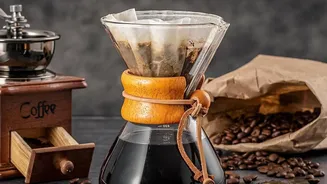
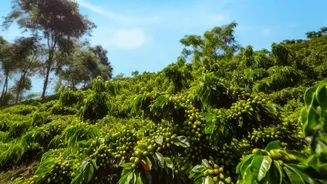
instant powder. It's about the entire lifecycle of the coffee bean—from the specific farm it was grown on (often a single estate) to the precise methods of harvesting and processing, the artful roasting that unlocks its unique flavours, and the skilled brewing techniques like pour-overs, AeroPress, or syphon. Think of it as the coffee equivalent of fine wine, where every cup tells a story of its origin, or 'terroir'. This movement, often called the 'third wave' of coffee, prioritises transparency, quality, and a direct connection between the farmer, the roaster, and the consumer.
Beyond the Metros: A New Frontier
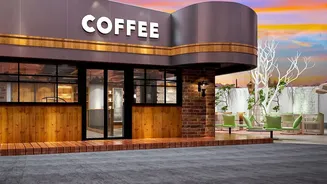
For years, the specialty coffee experience was an urban luxury, a marker of life in India's metropolitan hubs. But the landscape is shifting. Major chains and independent entrepreneurs alike are recognising the immense potential lying in wait within India's Tier-2 and Tier-3 cities. Brands like Third Wave Coffee have explicitly stated their strategy to expand into cities such as Lucknow, Amritsar, and, notably, Bhubaneswar and Mysuru. This expansion is fueled by a confluence of factors: rising disposable incomes, increased global exposure through travel and social media, and a growing desire for premium, experience-driven consumption. The post-pandemic remote work culture also played a role, as young professionals returned to their hometowns, bringing their metro-honed tastes with them. As one industry expert noted, while competition is fierce in big cities, these new markets offer a demand-supply gap and a chance to build a community from the ground up.
Mysuru: Where Heritage Meets the Hopper
Mysuru, a city steeped in heritage and long associated with traditional filter coffee, is experiencing a quiet coffee renaissance. While Mysuru has always been a hub for good coffee, given its proximity to the coffee-growing regions of Kodagu and Chikkamagaluru, the focus is now shifting to artisanal brewing. New-age cafes like Minimal Coffee Roasters, Ritual Coffee House, and VUI Coffee Roasters are making waves, focusing on single-origin beans and manual brewing methods. These aren't just cafes; they are passion projects. VUI, for example, was co-founded by someone who spent years in Vietnam's coffee trade, bringing that expertise back to Mysuru to connect consumers directly with beans from organic farms. The city's discerning locals and a steady stream of international visitors create a market that appreciates quality and process, making it fertile ground for a culture that values slow, handcrafted quality over mass-produced convenience.
Bhubaneswar: A Social Scene Brewing
On the other side of the country, Bhubaneswar is waking up and smelling the specialty coffee. The capital of Odisha is rapidly transforming, and its evolving food and beverage scene is a clear indicator. The city is seeing a surge of new, aesthetically pleasing cafes that serve as social hubs for a young, aspirational population. Local Reddit communities and food bloggers buzz with discussions about the best brews, mentioning cafes like Kruti Coffee, Koraput Coffee, and Three Chariots Coffee as top contenders for authentic experiences. Kruti Coffee, in particular, has gained a reputation for its focus on indigenously grown beans from the Koraput region and is run by an internationally certified barista. This highlights a key trend: the new coffee culture isn't just about importing a global format but also about celebrating and elevating local produce on a specialty platform. Major chains have also taken notice, with brands like Third Wave Coffee listing Bhubaneswar as a key city for its East India expansion.