



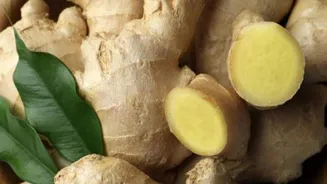
The Soothing Power of Ginger
For centuries, ginger has been a cornerstone of traditional medicine, prized for its anti-inflammatory and pain-relieving properties. When used in a compress, the warmth helps to stimulate blood flow to the applied area. This enhanced circulation can
relieve tension, reduce swelling, and help ease both chronic and acute pain. It’s a go-to remedy for everything from arthritis and backaches to stiff joints and general muscle soreness. The active compounds in ginger, particularly gingerols, are believed to work in a way similar to some anti-inflammatory medications, offering a natural path to relief.
The Temperature Trap: Why Boiling Water Backfires
It's a common mistake to assume that hotter is better when it comes to a compress. While the water needs to be hot, using boiling or excessively hot water is counterproductive for two main reasons. First and foremost is the risk of burns. Applying a towel soaked in scalding water can easily damage the skin. Secondly, extreme heat can alter the chemical composition of ginger. The primary active compounds, gingerols, are heat-sensitive. While boiling doesn't destroy all the benefits—it actually converts some gingerols into other compounds called shogaols which also have potent properties—it does diminish the gingerols you are trying to harness. Some water-soluble vitamins in ginger may also be lost at very high temperatures. The ideal temperature is hot enough to be therapeutic but not so hot that it causes harm or significantly degrades the ginger's natural compounds. A low simmer, just below boiling (around 70-80°C), is often recommended.
A Step-by-Step Guide to the Perfect Compress
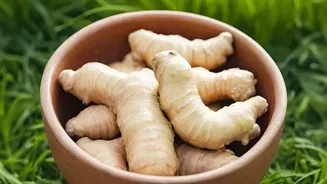
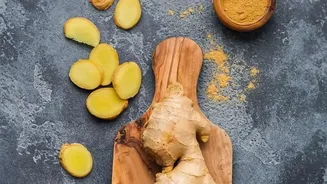
Making an effective ginger compress is a simple process. You will need a large piece of fresh ginger root, a pot of water, a cheesecloth or thin cotton cloth, and a couple of towels. First, grate about a handful of fresh ginger. Do not use ginger powder, as fresh root is essential. Place the grated ginger into your cloth and tie it securely to create a small bag. Bring about two litres of water to a boil in a large pot, then reduce the heat to a low simmer. Add the ginger bag to the water and let it steep for at least five to ten minutes, allowing the active compounds to infuse the water. The water should smell strongly of ginger.
How to Apply Your Compress Safely
Once your ginger water is ready, turn off the heat. Dip a small cotton towel into the pot, being careful not to burn yourself. Using tongs or wearing rubber gloves can help. Wring out the excess water so the towel is damp but not dripping. Before placing it on the affected area, test the temperature on a less sensitive part of your skin, like your inner wrist, to ensure it's hot but comfortable. Apply the warm towel to the area of pain, then cover it with a larger, dry towel to insulate it and retain the heat. Leave it on for 15 to 20 minutes, or until it cools. You can re-soak and reapply the towel every few minutes to maintain a consistent warmth. The skin should become warm and pink, but not red or irritated.
When to Be Cautious
While a ginger compress is a safe remedy for most people, there are times when it should be avoided. Do not use a ginger compress if you have a high fever or on broken or irritated skin, such as with neurodermatitis. Applying ginger to the skin can cause a rash in some individuals. It's also wise to avoid this treatment during pregnancy, as some experts have concerns about high doses of ginger. People with bleeding disorders or those taking blood-thinning medications, or drugs for diabetes and high blood pressure, should consult a doctor before using ginger remedies, as it can interact with these conditions and medications.