





The Hidden Risk of Rapid Weight Loss
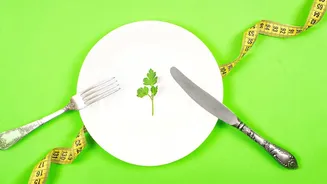
Medications like Mounjaro (tirzepatide) work by suppressing appetite and slowing digestion, which naturally leads to a lower calorie intake and significant weight loss. However, any form of rapid weight loss comes with a hidden risk: the loss of lean
muscle mass alongside fat. Studies show that when losing weight, especially quickly, up to 25-40% of the total loss can come from lean tissue, which includes your muscles. This isn't a problem unique to Mounjaro, but the drug's effectiveness can accelerate this process if users aren't proactive. Losing muscle is counterproductive to long-term health and weight management, making it a critical factor to address from the start.
Why Protecting Your Muscle Is Crucial
Losing muscle might not sound alarming, but it has significant consequences for your body. Muscle is metabolically active tissue, meaning it burns calories even when you're at rest. The more muscle you have, the higher your resting metabolic rate (RMR). When you lose muscle, your metabolism slows down, making it harder to continue losing weight and much easier to regain it once you stop the medication or relax your diet. This loss of muscle can contribute to the frustrating cycle of yo-yo dieting. Furthermore, preserving muscle is essential for physical strength, mobility, balance, and overall resilience.
Your First Priority: Prioritise Protein
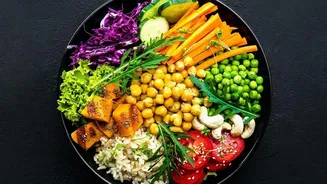
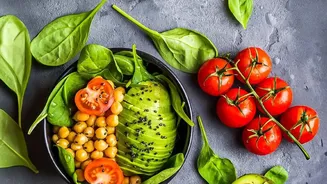
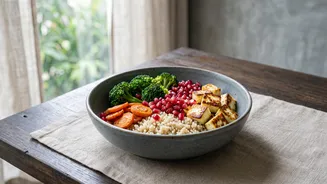
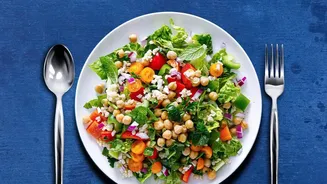
Since Mounjaro reduces hunger, it's easy to unintentionally consume too little protein. This is a problem because protein provides the essential amino acids your body needs to repair and maintain muscle tissue. To counteract muscle loss, experts recommend increasing your protein intake significantly. While the average adult needs around 0.8 grams of protein per kilogram of body weight, those on GLP-1 medications during weight loss should aim for 1.2 to 1.6 grams per kilogram. For a person weighing 70 kg, this translates to 84-112 grams of protein daily. Focus on incorporating lean protein sources like chicken, fish, eggs, tofu, beans, and low-fat dairy into every meal to protect your metabolic engine.
Your Second Priority: Embrace Resistance Training
Diet alone is not enough to signal to your body that it needs to hold onto its muscle. The most effective way to do this is through resistance training. Exercises that challenge your muscles—such as lifting weights, using resistance bands, or performing bodyweight movements like squats and push-ups—send a powerful signal to preserve and even build lean tissue. While cardio is excellent for heart health, it doesn't provide the same muscle-preserving stimulus. Experts recommend aiming for two to four strength training sessions per week, targeting all major muscle groups. You don't need to become a bodybuilder; consistency is more important than intensity. This combination of adequate protein and regular resistance exercise is the gold standard for ensuring the weight you lose is primarily fat.
Rethink How You Measure Success
While it's tempting to focus solely on the number on the scale, a more holistic approach is better. Pay attention to how your body is changing in other ways. Are your clothes fitting differently? Do you feel stronger during your workouts? Do you have more energy for daily activities? These are all signs that you are improving your body composition—losing fat while retaining muscle. Your weight might not drop as quickly when you're preserving muscle, but the results will be far more sustainable and beneficial for your long-term health. The goal isn't just to be lighter; it's to be stronger, healthier, and more metabolically resilient.