




The Purity Argument: Natural vs. Processed
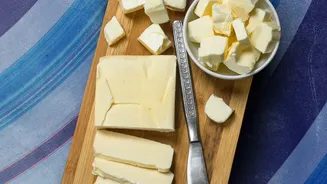
The most significant difference between homemade white butter and commercial yellow butter is the process. White butter is made by simply churning fresh cream (malai) until the fat separates from the buttermilk. This method is free from the preservatives
and high sodium content often found in packaged yellow butters. Salt is a common additive in commercial butter to extend its shelf life. Homemade makkhan, being unsalted, gives you complete control over your sodium intake, a clear benefit for heart health. However, this purity comes at the cost of a shorter shelf life.
Nutrient Profile: Vitamins and Calories
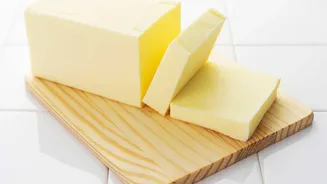
Both butters are a source of fat-soluble vitamins like A, D, and E, which are essential for immunity, bone health, and skin. Vitamin A, in particular, contributes to healthy vision. Proponents claim white butter is richer in these nutrients. While it is a good source, the core nutritional value comes from the milk fat itself. Calorie-wise, white butter may have a slight edge. Some sources suggest one tablespoon of white butter contains around 90 calories, compared to over 100 in yellow butter. The colour difference is primarily due to the cow's diet; grass-fed cows that consume more beta-carotene produce yellower butter.
The Saturated Fat Reality
Here is where health claims meet hard facts. Both white and yellow butter are predominantly composed of saturated fat. A tablespoon of butter contains about 7 grams of saturated fat. Health organizations like the American Heart Association recommend limiting saturated fat intake to less than 6% of daily calories to reduce the risk of high LDL ('bad') cholesterol and heart disease. For a 2,000-calorie diet, this is about 13 grams per day. While some sources claim white butter has slightly less saturated fat, it is still a concentrated source that should be consumed mindfully.
Myth: Aiding in Weight Loss
A popular claim is that white butter can aid in weight loss. Some theories suggest it contains lecithin, which helps in the assimilation of fats, or butyric acid, which boosts metabolism. However, this is a misunderstanding of how energy balance works. Butter is a high-calorie, energy-dense food. While it provides satiety and can make meals more satisfying, consuming it with the expectation of losing weight is not supported by mainstream nutritional science. Any weight management plan depends on overall calorie intake, and excess butter consumption will contribute to weight gain.
Digestion and Skin Benefits
Some sources suggest that white butter is easier to digest because it may contain less lactose than its commercial counterpart, making it a better option for those with mild sensitivity. It also contains butyric acid, a short-chain fatty acid that may help reduce inflammation in the digestive system. Additionally, the natural fats and vitamin E in butter can help moisturize the skin and maintain its health. But it's important to remember these benefits are associated with moderate consumption; they are not a license to eat unlimited amounts.