


More Than Just A to B
For decades, Indian travel often meant visiting one major destination at a time. Getting between, say, a Himalayan town and a historic city required separate, often arduous journeys. That is now changing rapidly. Government initiatives like Bharatmala
Pariyojana and Swadesh Darshan 2.0 are shifting the focus from single-point travel to creating integrated tourist circuits. The goal is to build a seamless network of roads, railways, and even ropeways that string together multiple points of interest, allowing for richer, multi-day itineraries. This strategic overhaul is not just about pouring concrete; it is about reimagining the traveller’s journey, making it possible to experience a region’s full cultural, spiritual, or natural diversity in one cohesive trip.
The Himalayan High Road
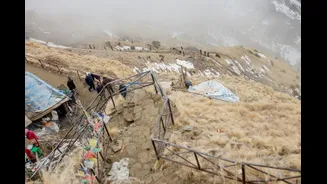
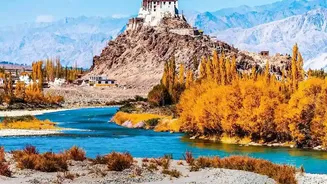
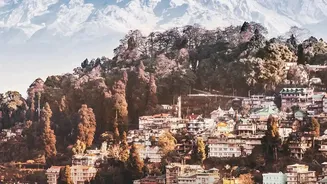
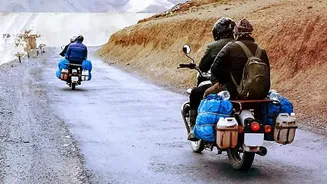
The Himalayas, once a region of formidable travel challenges, are becoming more accessible. The nearly complete Char Dham All-Weather Road project in Uttarakhand is a prime example. This ambitious undertaking is widening and securing around 825 km of highways that connect the four sacred pilgrimage sites of Yamunotri, Gangotri, Kedarnath, and Badrinath. This has drastically reduced travel times and made the journey safer, turning a bone-rattling expedition into a more manageable drive. Similar efforts in the Northeast, including plans for a Buddhist Circuit and the first-ever railway link to Sikkim's capital, Gangtok, are set to unlock remote monasteries, pristine valleys, and high-altitude lakes for tourism. These projects mean travellers can now plan trips that cover a chain of destinations that were previously too difficult to link.
Unlocking the Coastal Quest
India’s vast coastline is also being transformed into a grand, continuous travel corridor. The Mumbai Coastal Road, a 29-km expressway featuring India's first undersea tunnels, has already cut travel time between the city’s southern and western parts from hours to minutes. This is part of the larger Bharatmala Pariyojana, which includes developing coastal highways to link economic hubs and tourist spots from Gujarat all the way to Tamil Nadu. These new roads will make it possible to embark on epic road trips, seamlessly connecting serene beaches, ancient port towns, wildlife sanctuaries, and vibrant fishing villages that were once isolated from the main tourist trail, creating a world-class coastal experience.
Spiritual Journeys, Modern Comforts
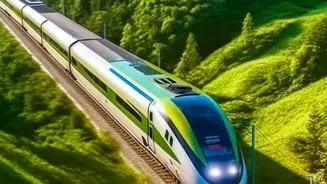
Pilgrimage and spiritual tourism are central to India’s travel landscape, and new railway projects are making these journeys more comfortable and efficient. Indian Railways is launching new lines to better connect major pilgrimage sites like Trimbakeshwar, Omkareshwar, and Kashi Vishwanath. In October 2026, Haridwar received approval for three new services connecting it directly with western India, including key pilgrimage destinations in Gujarat like Somnath and Dwarka. Furthermore, new railway lines are improving access to major tourist centres like the UNESCO World Heritage Sites of Ajanta and Ellora Caves. These dedicated lines and the introduction of modern, high-speed trains are reducing congestion and making it easier for both pilgrims and cultural tourists to cover multiple holy sites within a single, streamlined journey.
A Boost for Local Economies
This wave of connectivity is about more than just convenience for tourists; it is a lifeline for local economies. As once-remote areas become accessible, they attract investment and create new opportunities for residents. The Swadesh Darshan 2.0 scheme focuses on developing entire destinations in a sustainable way, funding everything from sun experience centres at temples like Arasavalli to upgrading museums in cities like Chandigarh. By bringing visitors to new areas, this infrastructure promotes the growth of homestays, local craft markets, and unique culinary experiences. This helps distribute tourism revenue more evenly across the country, fostering 'vocal for local' initiatives and ensuring that the benefits of a booming travel industry are shared by a wider community.