






A New Strategy for Lunar Living
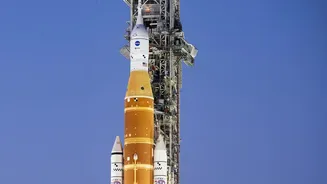
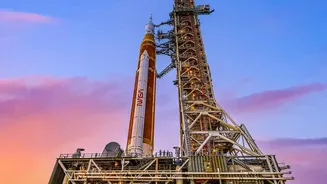
Forget the all-in-one trips of the Apollo era. NASA's new plan for the Moon is all about sustainability. Instead of packing everything and everyone into a single rocket for a short stay, the Artemis program is focused on building a long-term presence.
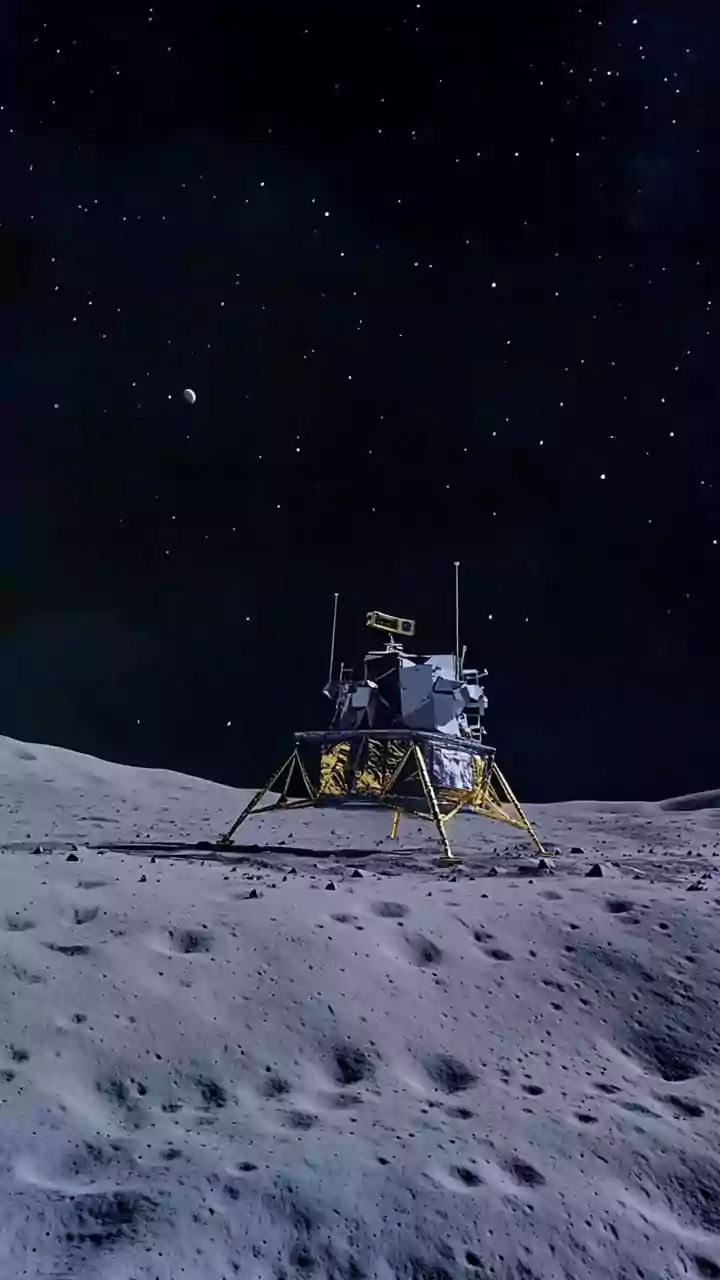
This means setting the table before the dinner guests arrive. The core idea is to send robotic missions to the lunar surface to drop off critical infrastructure, supplies, and scientific instruments. This logistics-first approach ensures that when astronauts do land, they have the tools and resources ready to live and work for extended periods. It makes missions safer, more efficient, and paves the way for what NASA calls the 'Artemis Base Camp'—a permanent foothold on another world.
What's in the Advance Shipment?
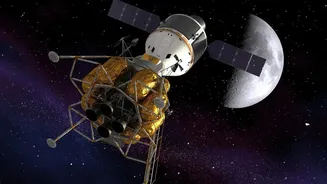
So, what exactly is NASA pre-positioning on the Moon? The cargo includes some serious hardware essential for long-duration stays. A key item is the Lunar Terrain Vehicle (LTV), an unpressurised rover that will allow astronauts to travel much farther from their landing site than ever before. Think of it as the ultimate off-road vehicle for lunar exploration. Beyond the LTV, plans include delivering foundational surface habitats—essentially, small cabins where astronauts can live for up to two months. Also on the manifest are power systems to survive the harsh lunar night, and advanced scientific experiments that can be deployed and begin collecting data even before humans arrive. This equipment is the backbone of a true lunar outpost.
The Commercial Delivery Drivers
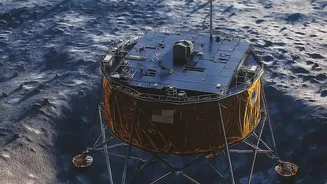
NASA isn't handling all these deliveries itself. A major part of this new strategy relies on a program called Commercial Lunar Payload Services (CLPS). Through CLPS, NASA has partnered with a growing list of American companies, from established players like Blue Origin and SpaceX to newer ventures like Intuitive Machines and Astrobotic. These companies are contracted to build the landers and provide the end-toend service of launching payloads from Earth and safely setting them down on the Moon. This approach fosters a commercial space economy and allows NASA to act as a customer, buying delivery services rather than owning and operating the entire fleet. It's a faster, more flexible, and cost-effective way to build up a lunar supply chain.
Building the Artemis Base Camp
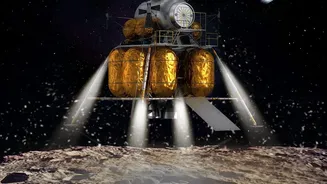
Each delivery is a building block for the ambitious Artemis Base Camp, envisioned for the Moon's south pole. This region is of high scientific interest due to its potential for water ice in permanently shadowed craters and nearstconst sunlight for solar power. The predelivered LTV will be waiting for astronauts arriving on missions like Artemis V. Future deliveries will bring larger, pressurised rovers from partners like the Japan Aerospace Exploration Agency (JAXA), allowing for even longer excursions in a shirt sleeve environment. Cargo landers from SpaceX and Blue Origin are being developed to deliver habitats and heavy equipment weighing up to 15 metric tons. This gradual buildup is how NASA plans to move from short visits to a sustained human presence, learning to live and work on another celestial body.
When Does It All Arrive?
The CLPS deliveries are already underway, with several robotic missions having already launched, testing the capabilities of commercial partners, though with mixed success. The first pieces of major equipment are slated to arrive before the end of the decade. For instance, NASA aims to have the Lunar Terrain Vehicle (LTV) on the surface, delivered by a CLPS partner, ahead of the Artemis V crewed mission. Looking further ahead, larger cargo deliveries, such as a pressurised rover from JAXA via a SpaceX lander and a habitat from Blue Origin, are targeted for the early 2030s in support of missions like Artemis VII and beyond. These timelines are ambitious and subject to change, but they underscore a clear strategic commitment: the next giant leap for humanity will be built on a foundation of carefully planned robotic logistics.