






Grand Theft Auto VI is the biggest entertainment launch in history, a cultural and financial juggernaut years in the making. But alongside the hype, a parallel story unfolds: the evolution of the studio culture at developer Rockstar Games.
A Monumental Launch
The release
of Grand Theft Auto VI on November 19, 2026, was not just a video game launch; it was a global economic event. After a 13-year wait since its predecessor, the game shattered records, reportedly earning over $3.7 billion in day-one sales from more than 32 million pre-orders. In a rare public statement, Rockstar co-founder Sam Houser declared the studio was entering a 'new chapter'. The anticipation was so immense that it had a tangible impact on workplaces, with surveys indicating a significant number of employees planned to take time off, leading to the viral term 'GTA flu'. The game, set in the fictional state of Leonida, is a monumental creative achievement, with a development team of nearly 5,000 people.
The Shadow of Crunch Culture
This triumphant moment for Rockstar is inseparable from its past. Following the 2018 release of Red Dead Redemption 2, the company faced intense scrutiny over its 'crunch culture'. The controversy was ignited when co-founder Dan Houser mentioned '100-hour weeks' in an interview, sparking an industry-wide debate about punishing overtime in game development. Subsequent reports detailed a work environment where long hours were often expected, particularly in the final stretches of a project. While some employees at the time defended the studio, others confirmed that intense periods of crunch were a painful reality, even if 100-hour weeks weren't the norm for everyone. This history has remained a crucial part of the narrative surrounding the developer.
A Conscious Effort to Change
The public backlash prompted what appears to be a genuine effort to reform from within. In the years following, Rockstar implemented significant changes aimed at creating a more sustainable work environment. According to reports and internal communications, these initiatives included offering flexible schedules, overhauling management at troubled studios, providing leadership training, and converting many contract employees to full-time staff to improve stability. In a 2020 email, executive Jennifer Kolbe acknowledged the need for change, stating, 'We have taken conscious steps to improve our approach to developing games in order to reduce the need for overtime'. Many current and former employees noted a tangible improvement, describing the culture as healthier and moving in the right direction.
The New Rockstar and GTA VI
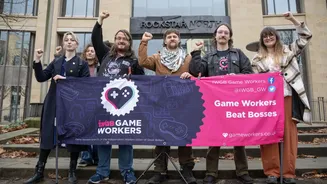
The development of GTA VI became the test case for this new philosophy. The project was reportedly planned with a more sustainable pace in mind from the outset. However, as the game entered its final stages, some of the old pressures returned. In early 2024, the company mandated a fivendaynday return to the office, citing security and productivity, which reduced the flexibility that had helped many employees maintain balance. More recently, the studio's culture has been tested by a push for union recognition among its UKndbased staff. Employees are currently voting on whether to formally recognize the IWGB Rockstar Game Workers Union, a move that advocates say would give them a greater voice in their working conditions, especially regarding overtime and job security in an industry increasingly looking toward AI.