



The Big News: New Visa Rules Explained
In a significant move to boost tourism and cultural ties, Uzbekistan announced a new visa-free entry policy for citizens of India. According to a presidential decree effective from September 1, 2026, Indian citizens can enter Uzbekistan for up to 30 days
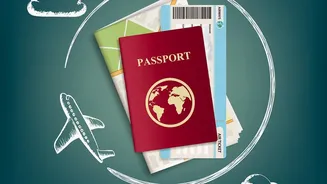
without a visa. However, there's an important condition: this rule applies to Indian citizens who hold a valid multiple-entry visa for specific developed countries, including the USA, UK, Australia, Canada, Japan, South Korea, or Schengen states. Travelers must also have an air ticket for their return journey or to a third country. Previously, most Indian travelers had to apply for a tourist visa or an e-visa. While the announcement was made at the end of August 2026, it is always crucial to check with the official Embassy of Uzbekistan for the absolute latest requirements before making non-refundable bookings.
What This Means for Your Travel Plans
This change is a game-changer for many Indian tourists. For those who frequently travel internationally and already possess one of the specified multiple-entry visas, planning a trip to Uzbekistan becomes significantly simpler and more spontaneous. The new policy removes the need for the e-visa application process and associated fees, saving both time and money. A 30-day stay provides ample time to explore the country's main highlights at a relaxed pace, from the grand monuments of Samarkand to the ancient streets of Bukhara and Khiva. This development makes Uzbekistan a much more convenient and attractive short-haul destination for holidays, cultural tours, and even short business trips.
Getting There: Flights and Connectivity
Connectivity between India and Uzbekistan is robust, with several airlines operating between the two nations. Uzbekistan Airways offers direct flights from Delhi to Tashkent, the capital, which takes approximately three to four hours. Other carriers like IndiGo also service this popular route. For travelers from other major Indian cities, connecting flights are readily available via hubs like Dubai, Istanbul, or Almaty. Round-trip fares can be quite affordable, especially if booked a few months in advance, with good deals often falling in the ₹20,000 to ₹25,000 range.
Best Time to Visit
To make the most of your trip, timing is everything. Uzbekistan experiences an extreme continental climate, with very hot summers and cold winters. The most pleasant times to visit are during the shoulder seasons: spring (April to June) and autumn (September to October). During these months, temperatures are mild and ideal for sightseeing. Spring brings blooming deserts and festivals like Navruz, the Persian New Year. Autumn offers the magic of the harvest season, with markets overflowing with fresh produce, and clear skies perfect for photography.
Essential Planning Checklist
Beyond the visa, a few key things will ensure a smooth journey. For currency, it's wise to carry US dollars, which can be easily exchanged for the local currency, the Uzbekistani Som (UZS). Accommodation options range from budget-friendly guesthouses to boutique hotels, many of which are housed in beautifully restored historic buildings. For travel between the iconic cities of Tashkent, Samarkand, and Bukhara, Uzbekistan's high-speed 'Afrosiyob' train is a comfortable and efficient option, though it's recommended to book tickets in advance, especially during peak season. Finally, all foreign visitors are required to have a registration slip from their hotel for each night of their stay; these are usually checked upon departure from the country.
A Taste of the Silk Road
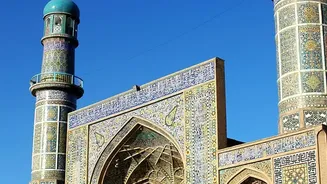
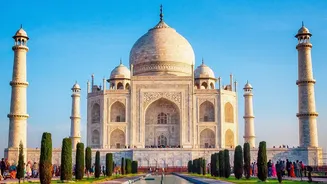
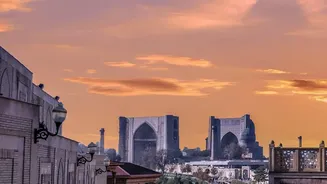
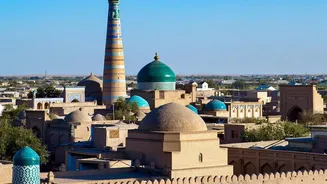
Uzbekistan offers a rich cultural experience that deeply resonates with Indian travelers, from shared Mughal history to linguistic links. The country's culinary scene is a highlight in itself. Don't leave without trying Plov, the national dish of rice, meat, and carrots, which has countless regional variations. Other must-try dishes include 'Manti' (steamed dumplings), 'Shashlik' (grilled meat skewers), and 'Samsa,' a savory pastry baked in a tandoor-like oven. The architecture is the main draw for many, with the Registan Square in Samarkand, the walled inner town of Khiva, and the ancient trading domes of Bukhara standing as breathtaking testaments to centuries of history.