




The Case for Pilates: Precision and Control
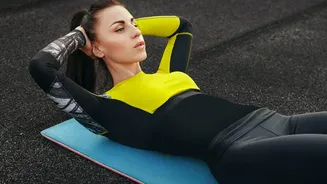
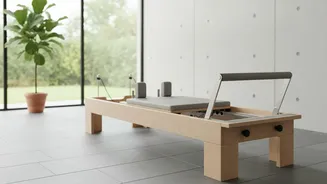
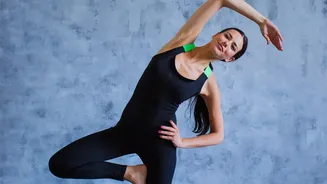
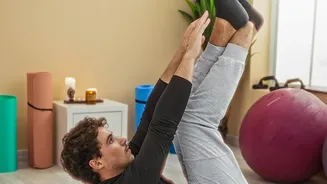
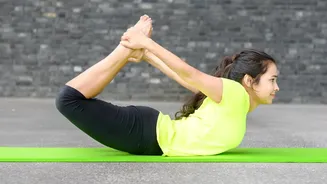
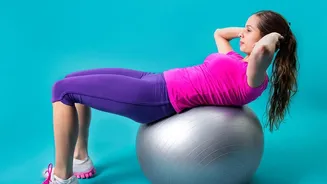
Pilates is a low-impact exercise method that emphasizes controlled movements, proper alignment, and deep core engagement. Its primary goal is to build foundational strength from the inside out, focusing on what practitioners call the 'powerhouse'—the
deep muscles of the abdomen, back, hips, and pelvic floor. Experts highlight its effectiveness in improving posture, enhancing flexibility, and creating balanced muscle strength on both sides of the body. Because of its focus on precision and mind-body connection, Pilates is excellent for strengthening the small, stabilizing muscles that protect your joints and spine. This makes it a powerful tool for injury prevention and rehabilitation, often recommended for those with chronic pain or those recovering from injury.
The Power of Heavy Circuit Sweats
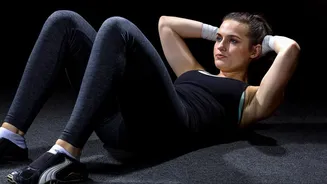
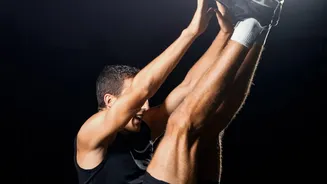
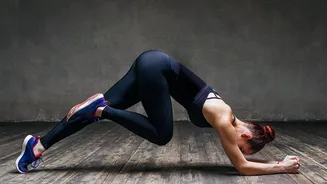
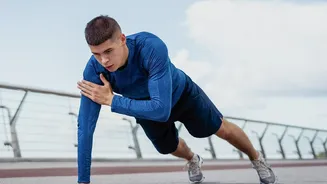
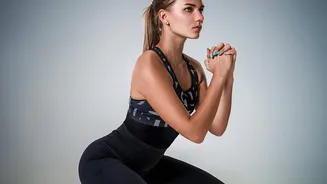
Heavy circuit training, a form of high-intensity interval training (HIIT), takes a completely different approach. It involves performing a series of strength and cardio exercises back-to-back with minimal rest. This method is designed to push your cardiovascular system, maximize calorie burn, and build overall muscle. Experts point to its efficiency; you can achieve a significant workout in a short amount of time, often 20 to 30 minutes. The high intensity keeps your heart rate elevated, leading to a metabolic boost that continues even after the workout is over, an effect known as EPOC or the 'afterburn effect'. This combination of strength and cardio is highly effective for fat loss and improving cardiovascular health.
Which Is Right for Your Goals?
The best workout for you ultimately depends on your individual goals. If your primary aim is fat loss and significant cardiovascular improvement, the high-intensity nature of circuit training often yields faster results due to its higher calorie expenditure. However, if your focus is on improving posture, alleviating back pain, building deep core stability, and increasing flexibility, Pilates is unparalleled. Circuit training is geared toward building larger, global muscles, while Pilates targets the smaller, intrinsic muscles responsible for control and stability. For those prone to injury or who prefer a low-impact routine, Pilates offers a safer, more joint-friendly option. In contrast, heavy circuits, if performed with incorrect form, can carry a higher risk of injury.
Better Together: The Expert Consensus
Rather than pitting these two modalities against each other, many fitness professionals advocate for combining them. They aren't rivals; they are a perfect match. Pilates builds the strong, stable core and body awareness needed to perform high-intensity exercises more safely and effectively. Think of Pilates as building the foundation and circuit training as building the house on top of it. Alternating between the two allows you to train different energy systems, preventing plateaus and reducing the risk of overtraining. One workout activates your 'fight or flight' system (HIIT), while the other stimulates your 'rest and recover' system (Pilates), creating a balanced approach to fitness that enhances both performance and recovery.