
The Trouble with Traditional Gyms
Let's be honest: for a significant number of people, the gym is not an inspiring place. The environment can feel intimidating, especially for beginners navigating unfamiliar equipment under bright, sterile lights. For some, it feels like a factory for fitness,
where you put on headphones to block everything out and perform repetitive, isolating tasks. This can make exercise feel like a chore to be endured rather than enjoyed. The feeling of being on display, the 'gymtimidation,' and a lack of personal guidance are common reasons why memberships go unused. It's a model that works for some, but leaves many others feeling unmotivated and disconnected from their own wellness journey.
An Alternative: The Path of Tai Chi
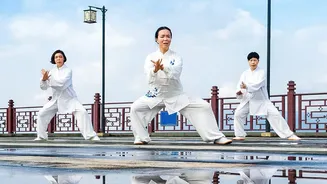
Enter Tai Chi, an ancient Chinese practice that combines slow, deliberate movements, meditation, and deep breathing. Often described as 'meditation in motion,' Tai Chi is exceptionally gentle and accessible. Unlike high-impact workouts, its flowing forms are kind to the joints, making it suitable for people of all ages and fitness levels. The core benefits include improved flexibility, balance, and muscle strength. But beyond the physical, Tai Chi is renowned for its ability to calm the mind, reduce stress, and improve overall mental clarity. It doesn't require expensive equipment or a specific type of athleticism—just a willingness to slow down and connect your breath with your body.
The Power of 'Blue Space'
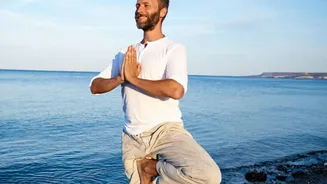
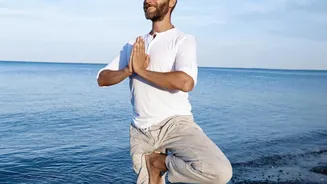
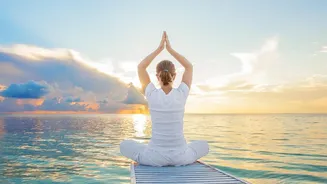
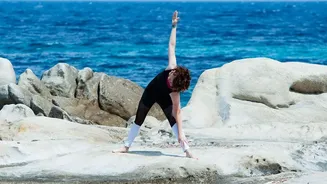
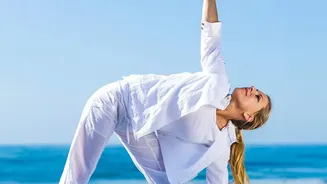
Moving your practice from an indoor studio to a beach unlocks a new level of benefits. Scientists refer to environments near oceans, lakes, and rivers as 'blue spaces,' and research consistently shows they have a profound positive impact on our well-being. Studies have found that spending time near water is linked to lower levels of stress and anxiety, increased happiness, and an overall improved mood. The rhythmic sound of waves has a naturally calming effect, helping to synchronise your breathing and deepen your focus during Tai Chi. The open sky and expansive horizon can help clear mental clutter, while the fresh sea air improves lung capacity and can even lead to better sleep.
A Natural Upgrade for Your Body
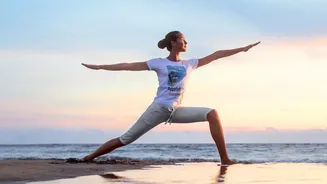
Practicing on sand introduces a unique physical challenge that enhances the benefits of Tai Chi. The soft, unstable surface forces the small stabilising muscles in your feet, ankles, and legs to work harder to maintain balance. This constant engagement helps build core strength and improve proprioception—your body's awareness of its position in space. While it is more challenging, sand is also a low-impact surface. It absorbs the shock from your movements, reducing stress on your knees, hips, and ankles. This makes it a fantastic option for those who want a robust workout without the joint strain associated with harder surfaces.
How to Get Started on the Sand
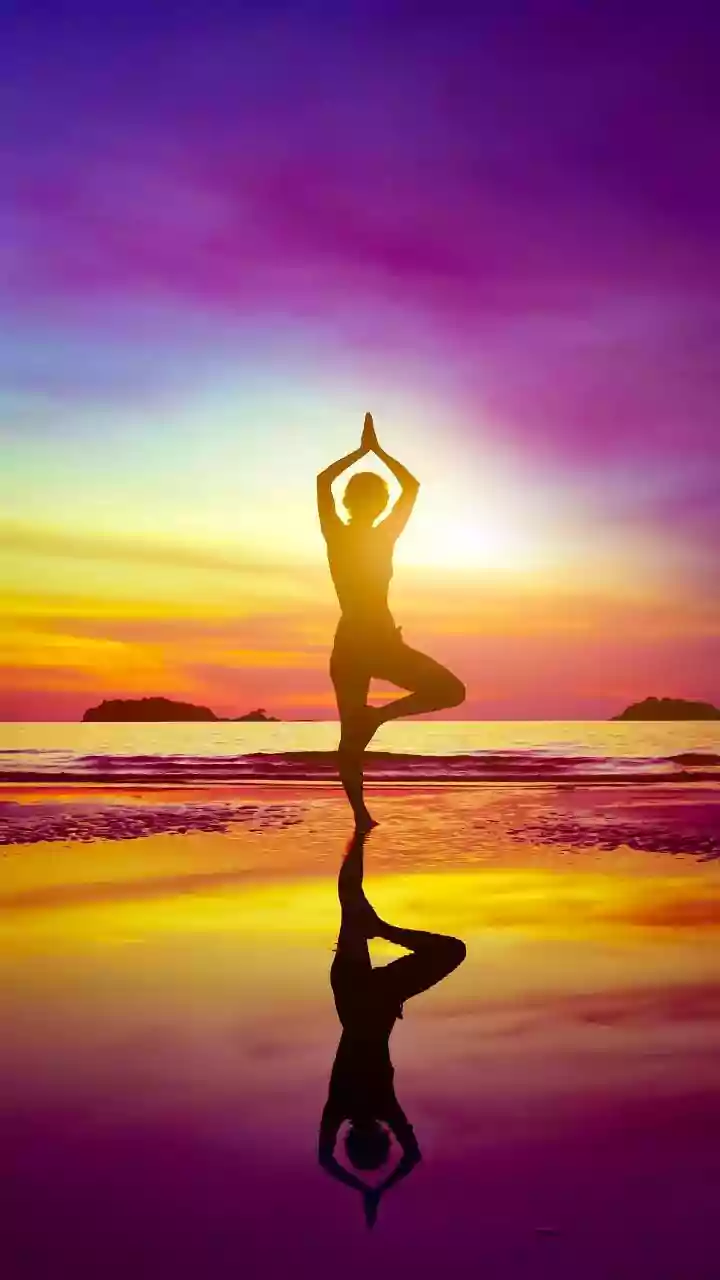
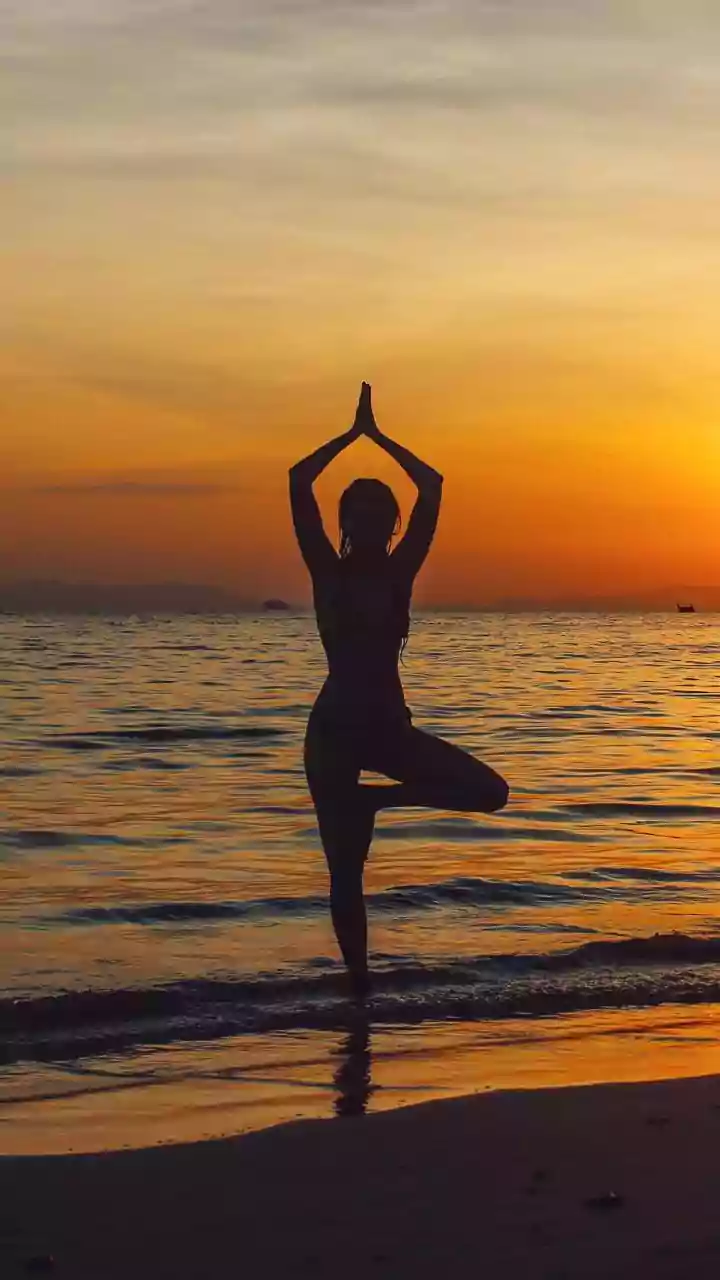
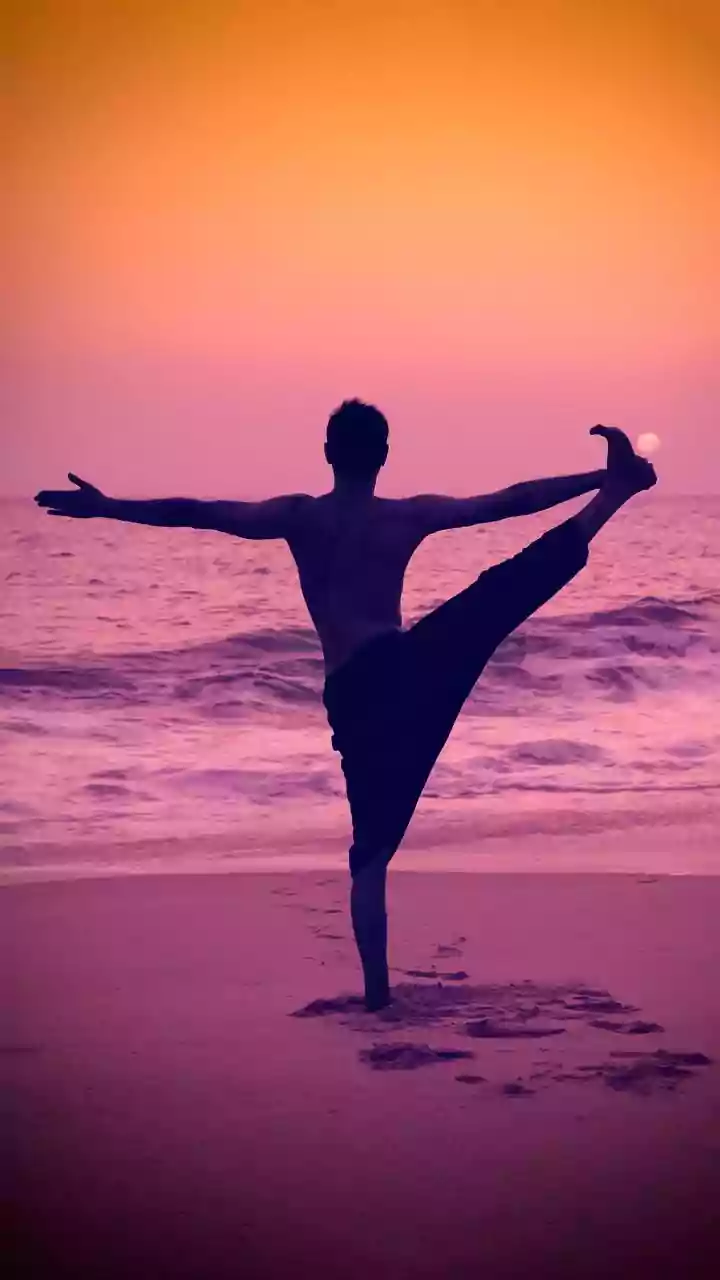
Starting Tai Chi on the beach is simpler than you might think. Look for local community groups or instructors who offer outdoor classes. Many practitioners naturally gravitate towards parks and beaches. Practicing with a group can provide structure and social connection. Alternatively, if you prefer to go it alone, there are countless free resources and videos online that can guide you through the basic forms. The best times to practice are often during sunrise or sunset, when the light is soft, the temperature is cooler, and the beach is less crowded. The goal isn't perfection, but presence. Focus on feeling the sand beneath your feet, listening to the ocean, and letting your body flow with the movements.