






A Shift Away from the Beaten Path
Recent travel surveys paint a clear picture of the future of Indian tourism, a future that looks very different from the past. According to Agoda's 2027 Asia Travel Pulse report, an impressive 55% of Indian travellers are planning to visit lesser-known
destinations in the coming year. This figure is significantly higher than the Asian average of 36%, positioning Indians as some of the most adventurous travellers in the region. The trend marks a departure from the traditional circuit of popular cities and crowded attractions. Instead of rushing through a five-cities-in-five-days itinerary, travellers are now seeking more immersive and meaningful journeys. This move towards offbeat locations isn't just a fleeting fancy; it represents a fundamental change in what people value in a holiday.
What’s Driving This New Wanderlust?
Several factors are fuelling this exodus from the mainstream. The desire for authenticity is a primary driver. A Booking.com report highlights that a vast majority of Indian travellers are looking for trips that take them out of their comfort zones. They want to surprise friends and family with unconventional destination choices. The search for unique, shareable moments, often inspired by social media platforms like Instagram and YouTube, pushes travellers to find undiscovered gems. Furthermore, the idea of 'slow travel' is gaining traction. Many now prefer to spend more time in a single location to properly rest and connect with the local culture, rather than just ticking off sightseeing spots. This slower pace allows for spontaneous discoveries and a deeper appreciation of a place, something that is often lost in a packed schedule.
The Allure of the Unconventional
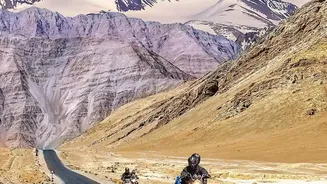
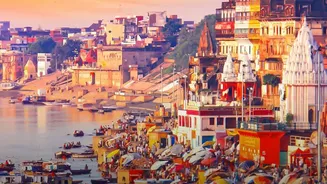
So, where are these travellers headed? The appeal lies in a wide range of destinations that offer unique experiences. Domestically, there's growing interest in spiritual journeys and nature-based exploration. Agoda's search data shows a massive spike in interest for places like Pushkar, Dharamshala, and Leh. Similarly, Skyscanner's 2027 travel report points to rising searches for less-travelled spots like Malvan in Maharashtra and Agatti in Lakshadweep. Internationally, the trend continues. While nearby Asian countries remain popular, travellers are looking at destinations that offer great value and novel experiences. For instance, Bishkek in Kyrgyzstan saw a staggering 748% increase in flight searches, according to Skyscanner, while destinations in Vietnam and Japan are also gaining popularity. The common thread is a desire for experiences that feel personal and unique, whether it's a wellness retreat, an outdoor adventure, or a deep dive into local culture.
Experience is the New Souvenir
Ultimately, this trend is about prioritizing the experience over the destination itself. Travellers are becoming more intentional, planning trips around what they want to feel and do. Booking.com's research indicates that 93% of Indian travellers would choose a destination based on the mood they want to experience. This shift also extends to accommodation, with a growing preference for alternative stays like homestays and villas that offer a more authentic, local feel. The focus is on creating meaningful memories, whether through connecting with nature on a long hike, exploring local cuisine, or simply having the time and space for honest conversations. This 'experience economy' is reshaping not just where people go, but how they travel, with a focus on personal growth, relaxation, and genuine connection.