





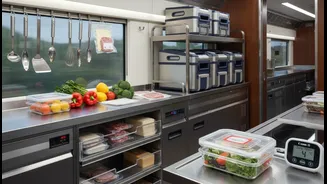


Technology on Your Tray: QR Codes Arrive
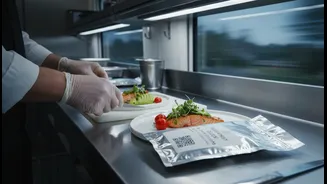
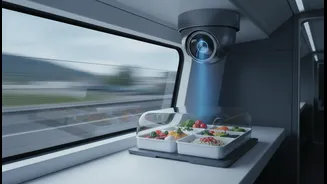
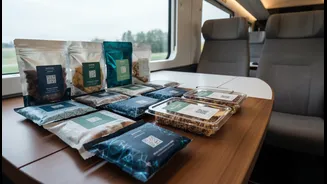
The most significant recent change by Indian Railways is the introduction of QR codes to improve transparency and fight unauthorised vending. Food packets supplied by IRCTC now come with a QR code. By scanning it, you can instantly see details like the name
of the base kitchen where the meal was prepared and the manufacturing date. This digital traceability aims to tackle issues with unhygienic or expired food. In addition, onboard catering staff and vendors are being issued QR-enabled ID cards. A quick scan can verify the vendor's name, Aadhaar number, medical fitness, and police verification status, ensuring only authorised personnel are serving you.
FSSAI Tightens the Screws
The Food Safety and Standards Authority of India (FSSAI) is playing a more active role in railway catering. It is now mandatory for all railway catering units to have FSSAI certification. This means they must adhere to the hygiene and sanitary requirements prescribed by the food regulator. Following recent incidents, including a viral video showing staff washing utensils in a train toilet, the FSSAI has been issuing notices to IRCTC, demanding accountability and corrective measures. These actions include asking for details on contractors, staff training certifications (FoSTaC), and immediate steps taken to prevent a recurrence, signaling a zero-tolerance approach to unhygienic practices.
The Rise of E-Catering and What It Means
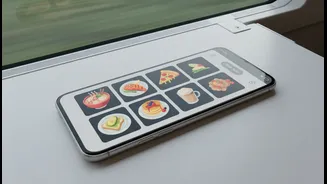
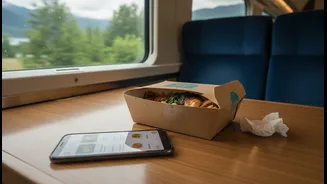
Relying on the pantry car is no longer your only option. E-catering services have become a major alternative, allowing passengers to order meals from a wide range of FSSAI-approved restaurants at upcoming stations. Platforms like Zomato, RailMitra, and others have partnered with IRCTC, offering passengers more choice and control. You can enter your PNR to see available restaurants on your route, check reviews, and get freshly prepared food delivered to your seat. This is a significant step up from depending on the limited pantry menu or taking a chance on platform vendors selling uncovered food. Many of these services focus on hygiene-verified outlets and provide live order tracking for reliability.
Your Checklist for a Safer Meal
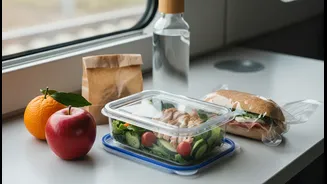
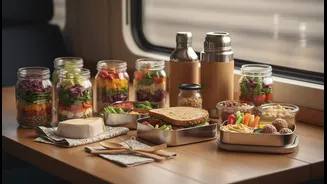
While the system is improving, passenger vigilance remains crucial. Always opt for freshly prepared hot meals when possible, as heat kills most bacteria. Before accepting any packaged food, inspect it carefully. Check for tamper-proof seals and make sure the packaging is not damaged or loose. If you're buying water, stick to recognised brands or the official Rail Neer to avoid unpurified water. Also, it's wise to carry your own essentials like hand sanitiser and basic snacks. If something seems off—an unusual smell, strange colour, or bad taste—it's best to avoid it.
When Things Go Wrong: How to Complain Effectively
If you do encounter bad food or service, it's important to report it. Complaining helps hold vendors accountable and improves the system for everyone. Common reasons to file a complaint include receiving cold or spoiled food, unhygienic packaging, or being overcharged. The IRCTC food policy outlines rules for hygiene, timely delivery, and menu transparency. You can use the RailMadad app, the official website, or even social media platforms like X (formerly Twitter) by tagging the relevant railway authorities. Be sure to provide key details like your PNR number, train number, and a clear description of the issue. This makes it easier for authorities to investigate and take action.