



The Soul of Assamese Cuisine
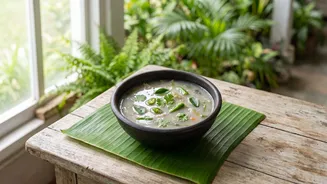
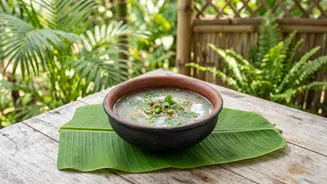
Khar is more than just a dish; it is a culinary emblem of Assam. The name refers to both the signature ingredient—a traditional alkaline liquid—and the various curries made with it. Unlike many Indian cuisines that build flavour through complex spice
blends, Assamese cooking often highlights the natural taste of fresh produce, and khar is a perfect example of this philosophy. Typically served as the first course of a meal, it is believed to cleanse the palate and aid digestion. This unique dish is so intertwined with the local identity that Assamese people are often proudly referred to as 'Khar Khuwa Axomiya', which translates to 'khar-eating Assamese'.
The Secret Ingredient: Kola Khar
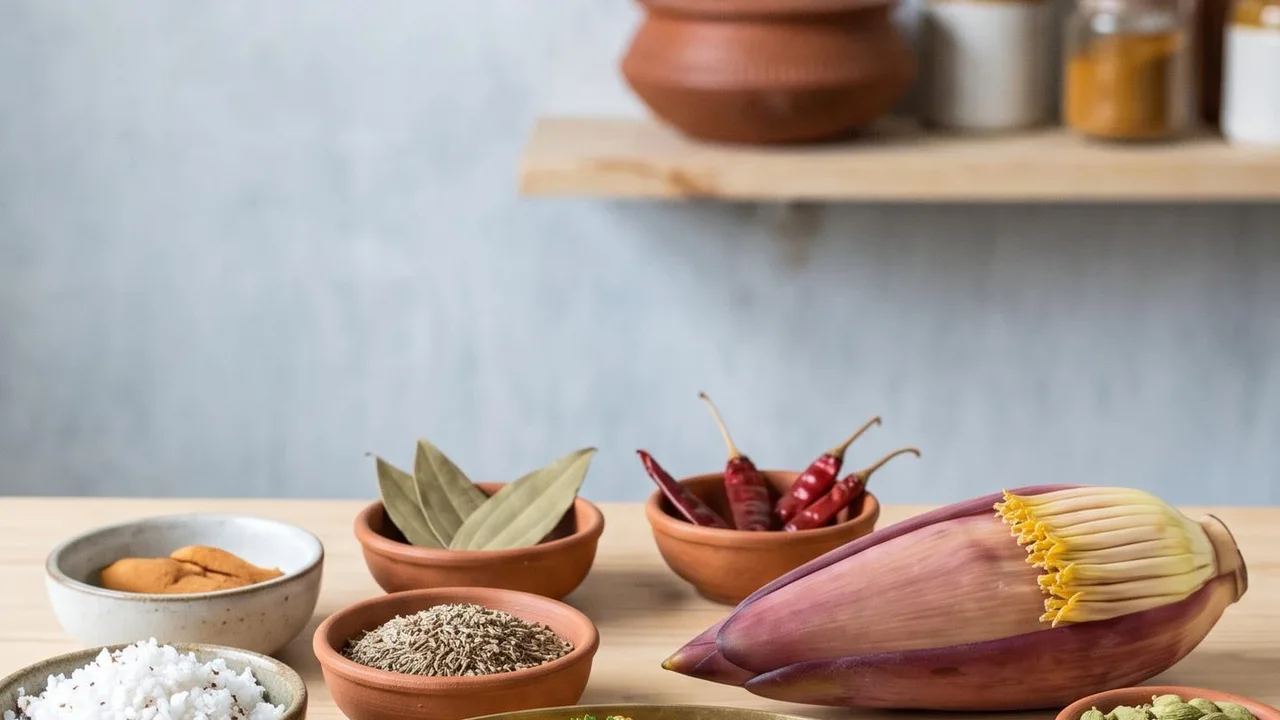
The defining characteristic of any khar dish comes from its namesake alkaline water, traditionally called 'kola khar'. This is not a modern chemical additive but a time-honoured extract made from a specific variety of banana known locally as 'Bhim Kol' or 'Athiya Kol' (Musa balbisiana). The process is a testament to the resourcefulness of the region's ancestors. First, the peels and sometimes the trunk of the banana plant are sun-dried for days. Once completely dry, they are burned to create a fine ash. This ash is then collected, and water is filtered through it, traditionally using a coconut shell with a small hole. The resulting liquid is a dark, astringent, and highly alkaline solution that forms the base of the dish.
A Unique Flavour Profile
The addition of kola khar imparts a distinctive, slightly astringent, and earthy flavour that is unlike anything else in Indian cuisine. It has a mildly smoky taste that enhances rather than overpowers the other ingredients. The most popular variation is 'Omitar Khar', made with raw green papaya. The alkaline water softens the papaya to a tender consistency while creating a light yet deeply satisfying curry. Other common versions are made with lentils (dal), bottle gourd, or fish head. Historically, this alkaline solution was also a substitute for salt, which was once a scarce commodity in the landlocked region of Assam.
Khar and the Assamese Breakfast
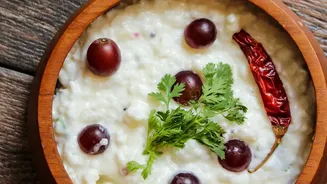
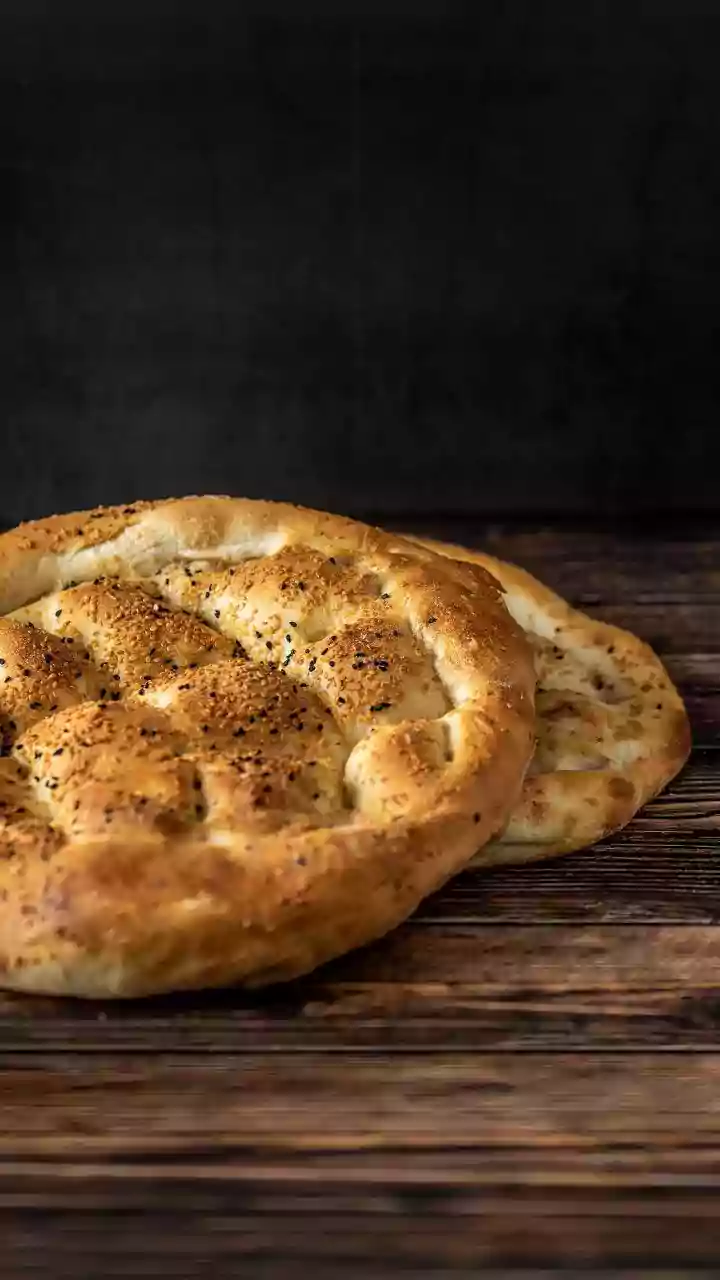
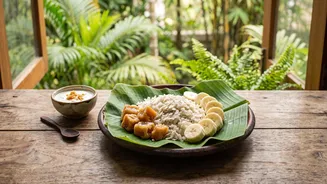
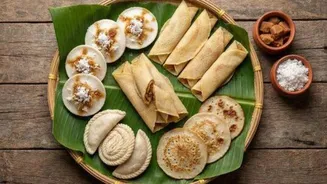
While khar is the opening act for any traditional main meal, the Assamese breakfast, or 'jolpan', is a distinct affair in itself, primarily centred around different forms of rice. A typical jolpan is often a no-cook preparation, showcasing the versatility of this staple grain. Popular items include 'Chira' (flattened rice), 'Komal Saul' (a special instant rice that needs only soaking), and 'Muri' (puffed rice), usually served with 'Doi' (curd) and 'Gur' (jaggery). For those preferring a warm, savoury start, 'Luchi Bhaji' (puffy fried bread with a simple potato curry) is a beloved choice. Another breakfast staple is the 'Pitha', a category of rice cakes that can be sweet or savoury. 'Tekeli Pitha', a steamed rice cake often filled with coconut and sesame, is a popular morning treat, usually enjoyed with a cup of strong Assam tea. While khar is not typically the star of jolpan, its principles of simplicity and reliance on local ingredients are echoed in the morning meal.