


The Alarming Findings
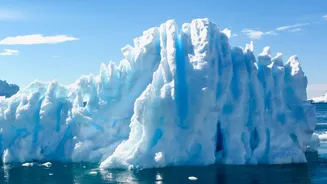
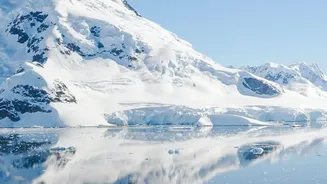
Recent studies paint a complex but concerning picture. While one 2026 report noted a surprising, short-term ice gain between 2021 and 2023 due to unusually heavy snowfall, scientists stress this was a temporary anomaly. The overwhelming long-term trend
remains one of significant ice loss. Research from the Potsdam Institute for Climate Impact Research warns that the West Antarctic Ice Sheet (WAIS) in particular is nearing a critical tipping point. Some of its most vulnerable glaciers, like Pine Island and Thwaites, may have already passed a point of no return. Studies show that even a small increase in ocean warming could trigger an irreversible collapse over centuries, committing the world to meters of sea-level rise.
The Mechanism of Collapse
Antarctica isn't just melting from the top down like an ice cube in the sun. The primary culprit is the ocean itself. Warmer deep ocean water is increasingly finding its way beneath the floating ice shelves that fringe the continent. These shelves act like a cork in a bottle, holding back the massive glaciers on land. As this warmer, saltier water eats away at the base of the ice shelves, it weakens them and causes them to retreat. This is especially dangerous in West Antarctica, where much of the ice sheet rests on bedrock that is below sea level and slopes downward inland. Once the warm water gets past the grounding line—the point where the glacier lifts off the seabed and starts to float—it can trigger a self-sustaining, runaway retreat that is incredibly difficult to stop.
What 'Irreversible' Really Means
The term 'tipping point' refers to a threshold beyond which a system experiences abrupt and often irreversible changes. When scientists say the melting of the West Antarctic Ice Sheet could become 'irreversible', they don't mean it will vanish overnight. Rather, they mean we may have already initiated a process that cannot be stopped, even if global temperatures were to stabilize. One study highlighted that even with zero future ocean melting, the massive Thwaites Glacier would continue to lose ice for 150 years due to instability that has already been triggered. The collapse would unfold over centuries to millennia, but the decisions made in the coming years could lock in that outcome, committing future generations to a world with radically different coastlines.
The Impact on India's Coastline
What happens in Antarctica does not stay in Antarctica. The complete collapse of the WAIS alone holds enough ice to raise global sea levels by over 3 meters. For India, with its extensive 7,500-kilometer coastline and densely populated coastal cities like Mumbai, Chennai, and Kolkata, the threat is profound. While the full impact would take centuries to materialize, the process has already begun. Scientists have noted that sea-level rise is not uniform globally and can be higher in tropical regions. The steady melt from Antarctica contributes directly to the rising waters that threaten homes, infrastructure, and freshwater resources in these low-lying areas, making coastal adaptation a national imperative.
A Disrupted Monsoon?
Beyond sea-level rise, Antarctic melt has other, more complex consequences for India. The influx of enormous amounts of cold freshwater into the Southern Ocean can disrupt global ocean currents, which are crucial regulators of climate. Recent modelling studies have suggested a surprising link between Antarctic meltwater and the Indian summer monsoon. One 2025 study found that a significant increase in freshwater flux from Antarctica could alter sea surface temperatures in the Pacific Ocean, which in turn could strengthen the Indian monsoon. While this might sound beneficial, a more intense monsoon can increase the risk of extreme rainfall and devastating floods, highlighting how interconnected Earth's climate systems truly are.