






The Enemies of Fresh Coffee
To understand how to protect your coffee, you first need to know what you’re fighting against. Roasted coffee has four main enemies: oxygen, moisture, heat, and light. When coffee beans are exposed to air, a process called oxidation begins immediately.
This chemical reaction breaks down the delicate oils and volatile aromatic compounds that give coffee its complex flavours and aromas, like floral, fruity, and chocolatey notes. The result is a flat, stale, and sometimes bitter taste. Moisture is another significant threat. Coffee beans are hygroscopic, which means they readily absorb moisture and odours from the surrounding air. This not only dilutes the flavour but can also accelerate the staling process and even lead to mould. Heat and light act as catalysts, speeding up these undesirable chemical reactions. Storing coffee near a stove or on a sunlit countertop will cause it to lose its freshness much faster.
Your First Defence: Airtight Storage
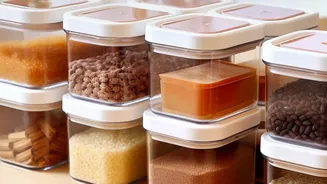
This is where the airtight container becomes your most valuable tool. Its primary job is to create a barrier between your coffee beans and the damaging effects of oxygen and humidity. By sealing the container, you drastically reduce the amount of oxygen available to react with the coffee's fragile oils. This effectively slows down the oxidation process, preserving the intricate flavours and aromas for much longer. A proper seal also protects the beans from ambient moisture, which is especially important in humid climates. It prevents the beans from absorbing water from the air, keeping them dry and protecting their structural integrity. Some specialty coffee bags even include a one-way valve. This clever feature allows the carbon dioxide that freshly roasted beans naturally release to escape without letting any oxygen in, preventing the bag from bursting while maintaining an oxygen-free environment.
Material Matters: Choosing Your Container
While any airtight container is better than none, the material it's made from plays a crucial role. Glass jars are popular, but unless they are opaque or stored in a dark cupboard, they fail to protect the beans from light, which degrades flavour. Plastic containers are lightweight and affordable but can sometimes absorb odours and flavours, potentially tainting your coffee over time. For these reasons, many experts recommend opaque, non-reactive materials. Ceramic canisters are an excellent choice as they block light completely and do not impart any taste to the beans. Stainless steel is another top contender, offering great durability and light protection. The best options are often vacuum-sealed canisters, which allow you to pump out excess air, creating a near-vacuum environment that offers the ultimate protection against oxidation.
The Great Freezer Debate
A common question is whether to store coffee beans in the refrigerator or freezer. The consensus among experts is to avoid the refrigerator entirely. The cool, humid environment introduces moisture, and the porous nature of coffee beans means they can easily absorb unwanted odours from other foods. The freezer is a more nuanced topic. While some purists advise against it, it can be an effective way to store coffee for longer periods, provided it's done correctly. The key is to prevent moisture from damaging the beans. If you choose to freeze your coffee, divide it into small, weekly-sized portions in truly airtight, vacuum-sealed bags. When you're ready to use a batch, allow it to thaw completely to room temperature before opening the container. This crucial step prevents condensation from forming on the cold beans, which would immediately introduce damaging moisture. Never refreeze coffee that has been thawed.