




More Than Just A Game Show
At its heart, Kaun Banega Crorepati (KBC) was never just about general knowledge. When it first aired in 2000, adapting the British format of 'Who Wants to Be a Millionaire?', it captured the imagination of a nation. It presented a tantalizing fantasy:
that knowledge, not just birthright or connections, could catapult an ordinary person to fortune. This democratisation of opportunity was revolutionary. Contestants from small towns, with big dreams and often humble backgrounds, found themselves on a national stage. The show became a platform where a teacher, a farmer, or a student could rewrite their destiny with the correct answer, making it a powerful symbol of aspiration for India's middle class.
The Unwavering Anchor
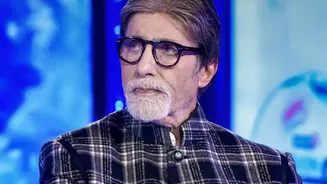
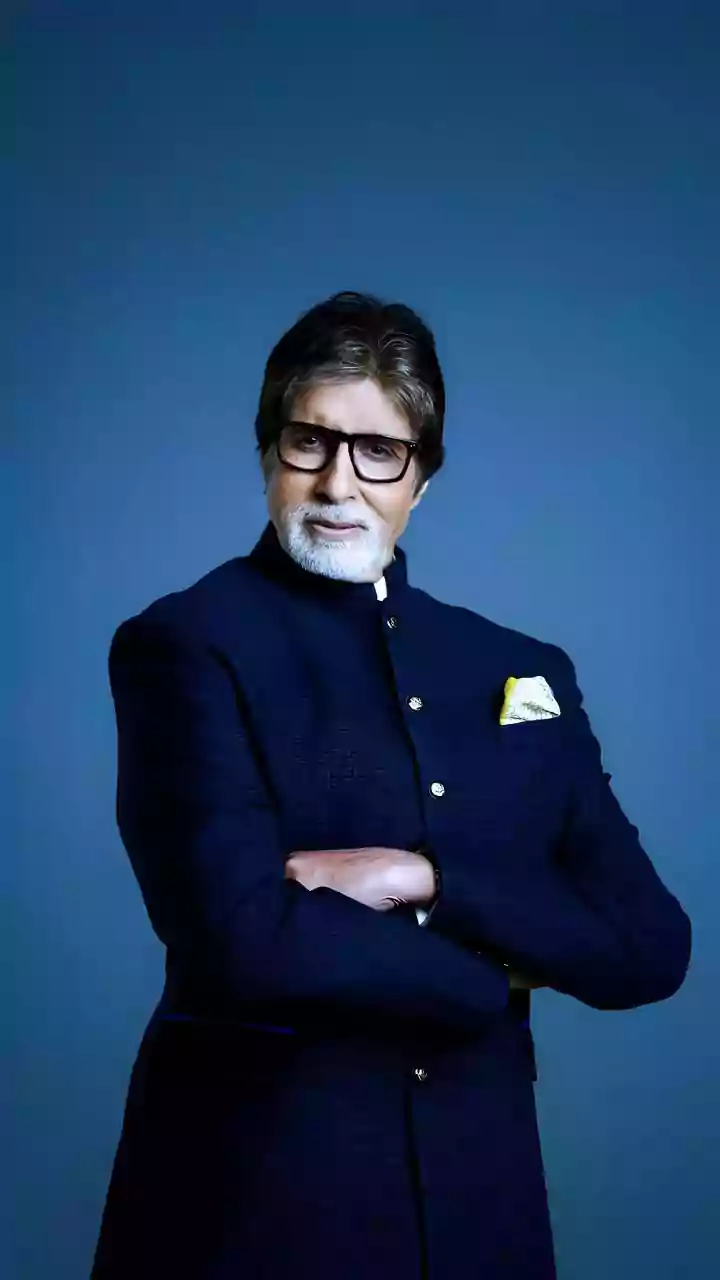
It is impossible to separate KBC from Amitabh Bachchan. When the show launched, Bachchan's own career was at a crossroads after a difficult decade. KBC marked a spectacular second coming, not just for him, but for Indian television. More than a host, he became the show's soul — a blend of gravitas, empathy, and avuncular charm. His interactions with contestants, his shuddh Hindi, and his iconic catchphrases like "Lock kar diya jaaye?" are now part of India's cultural lexicon. While other channels tried to replicate the formula with different stars, none could match the connection Bachchan forged with the audience, proving that he is the show's most valuable asset.
The Currency of Tears
However, over the years, a palpable sense of scepticism has emerged. Critics and long-time viewers argue that the show's focus has shifted from celebrating knowledge to 'selling sob stories'. The human-interest element, once a touching backstory, now often takes centre stage, with critics arguing that emotional narratives are engineered to boost TRP ratings. While producers maintain that the emotions are natural and not scripted, the perception persists that the quiz has been diluted in favour of reality TV-style drama. The question now asked by many is whether KBC is still a quiz show that happens to be emotional, or an emotional show that happens to have a quiz.
Appointment Viewing in a Binge World
In the current media landscape of on-demand streaming and fragmented attention, a primetime show that brings the entire family together seems almost archaic. Yet, KBC endures. Recent data from its 18th season in 2026 shows significant growth in digital viewership on platforms like Sony LIV, with a large portion coming from Connected TVs. This indicates that while the platform has changed, the habit of community viewing remains. It has become a ritual for multiple generations to gather and watch together, a rare feat in today's world. The show's continued popularity, even amidst countless alternatives, suggests that its blend of knowledge, aspiration, and nostalgia still holds a unique power.
A Mirror to Society
So, why does KBC still matter? It matters because it has evolved into a cultural barometer. Its initial success reflected a nation's yearning for meritocratic success. The current scepticism surrounding it reflects a more media-savvy, cynical audience questioning the authenticity of 'reality' television. The controversies it sometimes courts, from historical questions to the behaviour of contestants, spark national conversations. The show is no longer just about one person winning a crore; it’s about what the journey to that hot seat says about India. It's a reflection of our dreams, our struggles, our collective knowledge, and our evolving relationship with entertainment.