







What Exactly Is Rooibos Tea?
First things first: rooibos (pronounced 'roy-boss') isn't technically a tea at all. While we call it 'red bush tea', it's actually an herbal infusion, or tisane. It comes from the needle-like leaves of the Aspalathus linearis plant, which grows exclusively
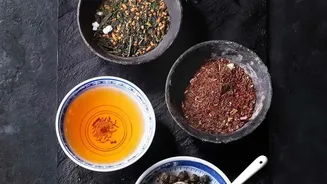
in the Cederberg mountain region of South Africa. The leaves are harvested, bruised, and then fermented (technically oxidized), which gives the brew its signature reddish-brown colour and a naturally sweet, earthy flavour often described as having notes of honey and vanilla. This process is what sets it apart from green rooibos, which is unoxidized and has a different flavour profile.
The Caffeine-Free Promise
Here's the most important fact for anyone looking to unwind: rooibos is 100% naturally caffeine-free. Unlike decaffeinated black or green teas, which undergo a process to remove caffeine and may retain trace amounts, rooibos never had any to begin with. This makes it an ideal choice for an evening beverage, as there's no risk of a stimulant interfering with your body's natural preparation for sleep. Enjoying a cup before bed won't disrupt your sleep cycle, which is a common concern with other teas and coffee.
How Does It Help You Relax?
The calming effect of rooibos goes beyond just the absence of caffeine. The tea contains unique antioxidants, such as aspalathin and nothofagin, which are believed to help the body combat oxidative stress, a key factor in physical and mental tension. Some research suggests that rooibos may help lower the production of cortisol, the body's primary stress hormone. By helping to regulate cortisol levels, rooibos can contribute to a greater sense of calm and well-being. Furthermore, rooibos is low in tannins, which can sometimes cause bitterness in other teas, giving it a smooth, gentle taste that is inherently comforting.
Other Potential Health Perks
While the relaxation benefits are a major draw, rooibos offers other potential health advantages. It is packed with antioxidants that may support heart health by improving blood pressure and circulation. The unique antioxidant aspalathin has been studied for its potential to help balance blood sugar levels and reduce inflammation associated with high blood sugar. Traditionally, rooibos has also been used in South Africa to soothe digestive issues and even alleviate allergies.
Rooibos vs. Other Calming Teas
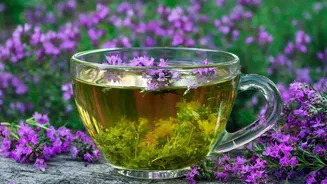
In the world of relaxing herbal teas, chamomile is perhaps the best-known. Chamomile contains a compound called apigenin, which is known to have sleep-inducing properties. Both rooibos and chamomile are excellent caffeine-free choices for the evening. The choice often comes down to flavour preference. Chamomile has a delicate, floral, and apple-like taste, while rooibos offers a richer, sweeter, and sometimes nutty profile. Some people even enjoy them blended together for a doubly soothing effect. The ritual of preparing and sipping a warm beverage itself is a powerful signal to the brain that it's time to slow down.
Preparing the Perfect Cup
Making a calming cup of rooibos is simple. Use about one teaspoon of loose-leaf rooibos or one teabag per cup. Pour boiling water over the leaves and let it steep for at least 5 to 10 minutes. Unlike black or green tea, rooibos is very forgiving and won't become bitter if you steep it for longer. You can enjoy it plain to appreciate its natural sweetness, or add a splash of milk, honey, or a slice of lemon. For an enhanced calming ritual, try taking a few moments to inhale the warm, earthy aroma before your first sip.