



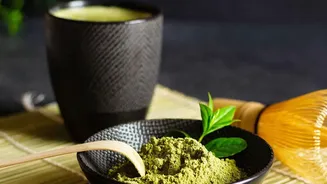

A curious new colour and flavour combination is appearing in cafes across India. The earthy, vibrant green of Japanese matcha is meeting the delicate, floral fragrance of rose, creating a drink that is both globally trendy and deeply familiar.
The Green Tea Taking Over
First, there
was the coffee boom. Now, a different kind of green is taking root in India’s urban cafes: matcha. This finely ground powder of specially grown and processed green tea leaves, central to Japanese tea ceremonies for centuries, has officially moved from a niche health product to a mainstream beverage. Over the past year, Google searches in India for 'how to make matcha' surged by a staggering 1,300%. This isn't just fleeting curiosity; it reflects a deeper shift. Driven by health-conscious millennials and Gen Z, matcha's appeal lies in its perceived wellness benefits and its vibrant, Instagram-friendly appearance. The Indian matcha market, valued at around USD 104 million in 2024, is projected to grow significantly, outpacing traditional tea categories. Cafes in cities like Delhi, Mumbai, and Bengaluru are now buzzing with orders for everything from classic matcha lattes to more experimental versions.
A Familiar, Fragrant Embrace
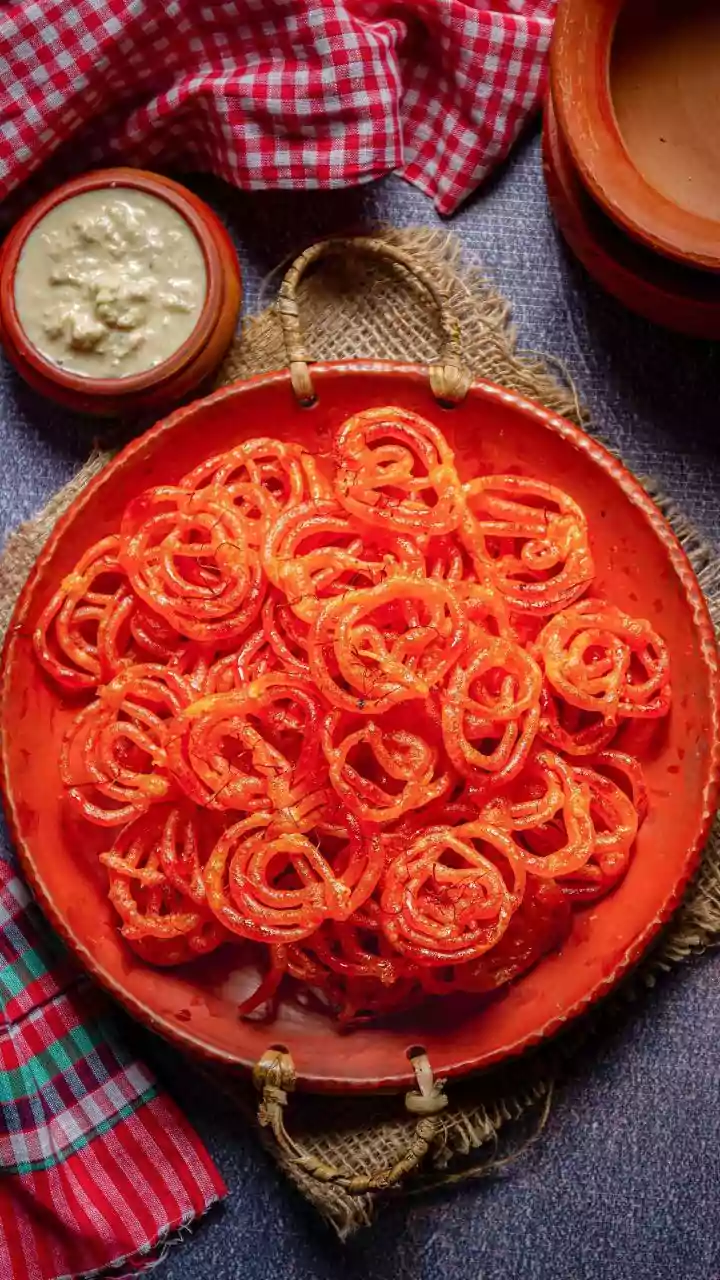
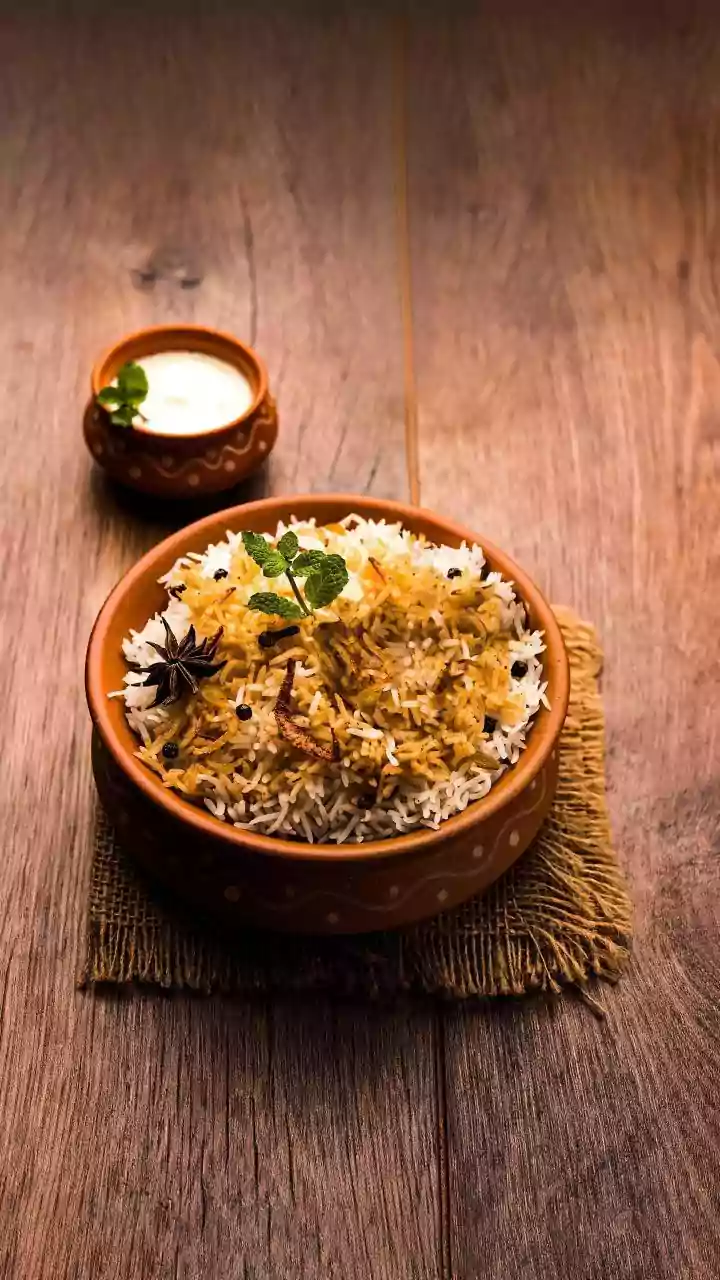
While matcha is a relatively new taste for many Indians, rose is anything but. The flavour of 'gulab' is woven into the fabric of Indian cuisine and culture. For generations, rose water and dried petals have lent their fragrant aroma to sweets like gulab jamun and kheer, refreshing summer drinks like sherbet, and even royal biryanis. Considered a natural cooling agent in Ayurveda, rose has long been associated with celebrations, purity, and sensory pleasure. Its scent is nostalgic, instantly recalling festive moments and traditional desserts. This deep-rooted cultural connection makes rose a comforting and instantly accepted flavour, providing a familiar counterpoint to the more exotic profile of matcha.
An Unlikely, Perfect Pairing
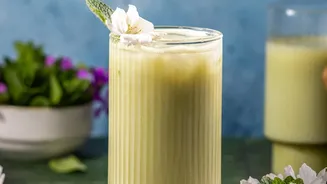
On the surface, the two might seem like an odd couple. Matcha is known for its complex, umami-rich, and slightly bitter vegetal notes. Rose is sweet, perfumed, and distinctly floral. Yet, when combined, they create a surprisingly harmonious balance. The sweetness of the rose softens matcha's earthiness, making it more accessible to those who might find the green tea's flavour too intense on its own. In turn, the complexity of matcha prevents the rose from becoming overly sweet or one-dimensional. The result is a layered beverage that is both refreshing and indulgent. Cafes like EL&N London in Mumbai have noted the popularity of their Matcha Rose Iced Latte, a drink that pleases the eye with its layered colours and the palate with its balanced taste. This fusion is a prime example of 'glocal' innovation—taking a global trend and adapting it with a familiar local touch.
The New Wave of Cafe Culture
The rise of the matcha-rose combination is part of a broader evolution in India's cafe scene. Younger consumers are increasingly adventurous, seeking novel experiences and flavours beyond the standard cappuccino. This has led to a boom in menu experimentation, with cafes introducing everything from fruit-infused coffees to Asian-inspired drinks like bubble tea and hojicha. The visual appeal of these drinks is crucial; a layered matcha rose latte is perfectly designed for social media, where trends are born and amplified. This new wave isn't just about flavour, but also about customisation and creating unique, memorable experiences. Indian consumers are showing a strong appetite for drinks that mix the new with the familiar, such as mango matcha and strawberry matcha, which have also seen significant search interest.