



A Comeback Driven by Health
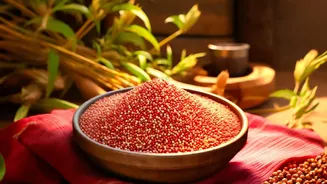
One of the biggest reasons for the sweet revival of millets is a collective shift towards healthier eating. Consumers are increasingly aware of the pitfalls of refined flour (maida) and processed sugars, linking them to various lifestyle diseases. Millets
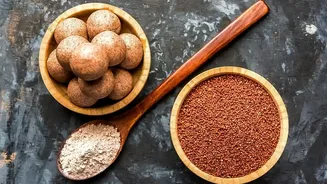
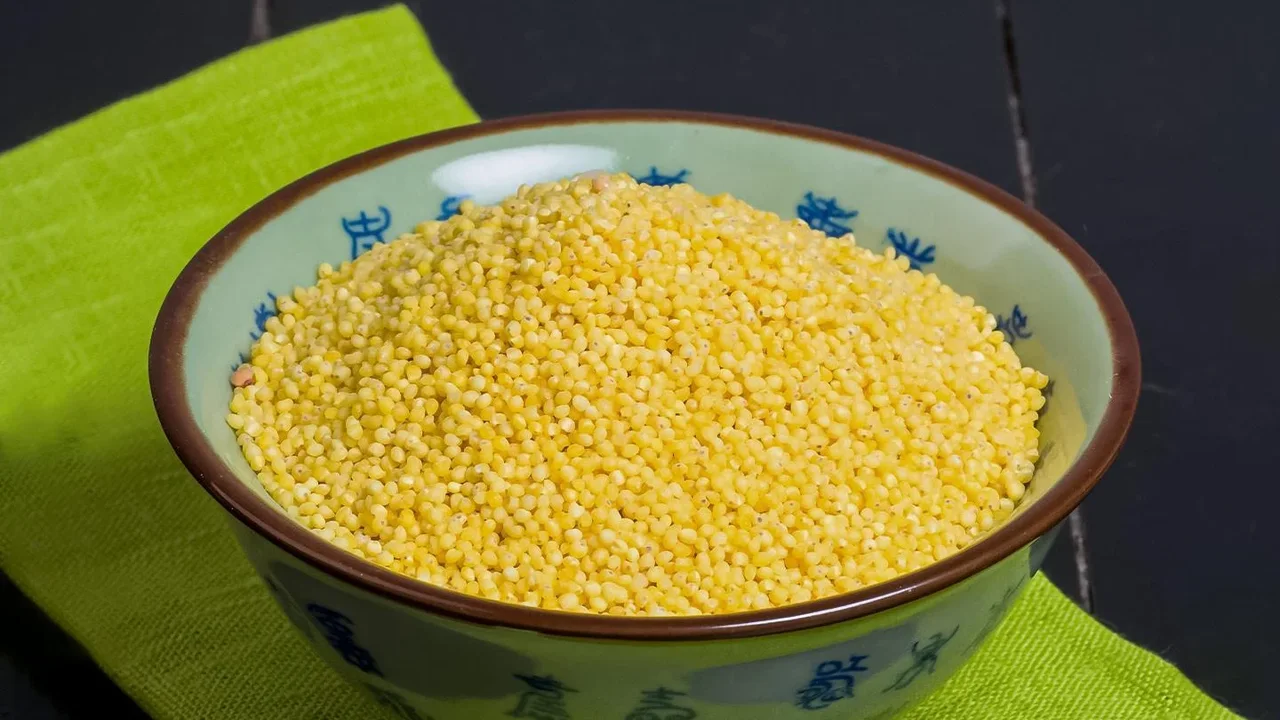
offer a compelling alternative. They are naturally gluten-free, making them a godsend for those with sensitivities. Furthermore, they are packed with fibre, protein, essential minerals, and antioxidants. Grains like ragi (finger millet), jowar (sorghum), and bajra (pearl millet) have a low glycemic index, which helps in managing blood sugar levels by preventing sudden spikes after a meal. This means you can enjoy a sweet treat without the subsequent energy crash, making millet-based desserts a smarter, guilt-free choice.
The Global Stage and Government Push
The declaration of 2023 as the International Year of Millets by the United Nations, a proposal spearheaded by India, has significantly boosted the profile of these grains. This initiative has sparked a nationwide conversation, encouraging people to rediscover a food source that was once a staple in many Indian households before the Green Revolution shifted focus to wheat and rice. This renewed attention has encouraged chefs, home bakers, and food companies to innovate, transforming the perception of millets from bland 'vrat' food to a versatile, premium ingredient. This governmental and global endorsement has been crucial in putting millets back on the modern Indian menu.
A Playground for Culinary Innovation
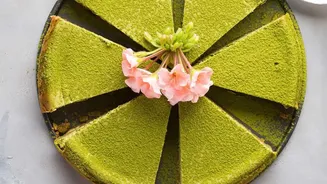
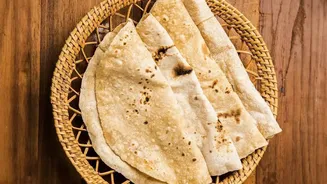
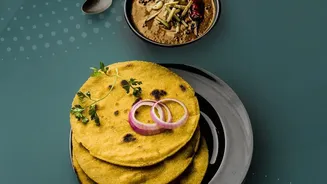
Chefs and home bakers across the country are embracing the creative challenge that millets present. They are moving beyond traditional rotis and porridges to craft a stunning array of modern desserts. You can now find everything from fudgy ragi brownies and millet cupcakes to crunchy cookies and sophisticated puddings. The nutty, earthy flavours of different millets lend a unique character to sweets. For instance, chefs are creating modern versions of traditional dishes, like Jhingore ki Phirni using barnyard millet instead of rice, or Thinai Payasam made with foxtail millet. Even classic Goan Bebinca and Rajasthani Malpua are getting a millet makeover. This wave of innovation shows that millets can be incorporated into almost any dessert, adding both nutritional value and exciting new textures and tastes.
Reimagining Traditional Indian Sweets
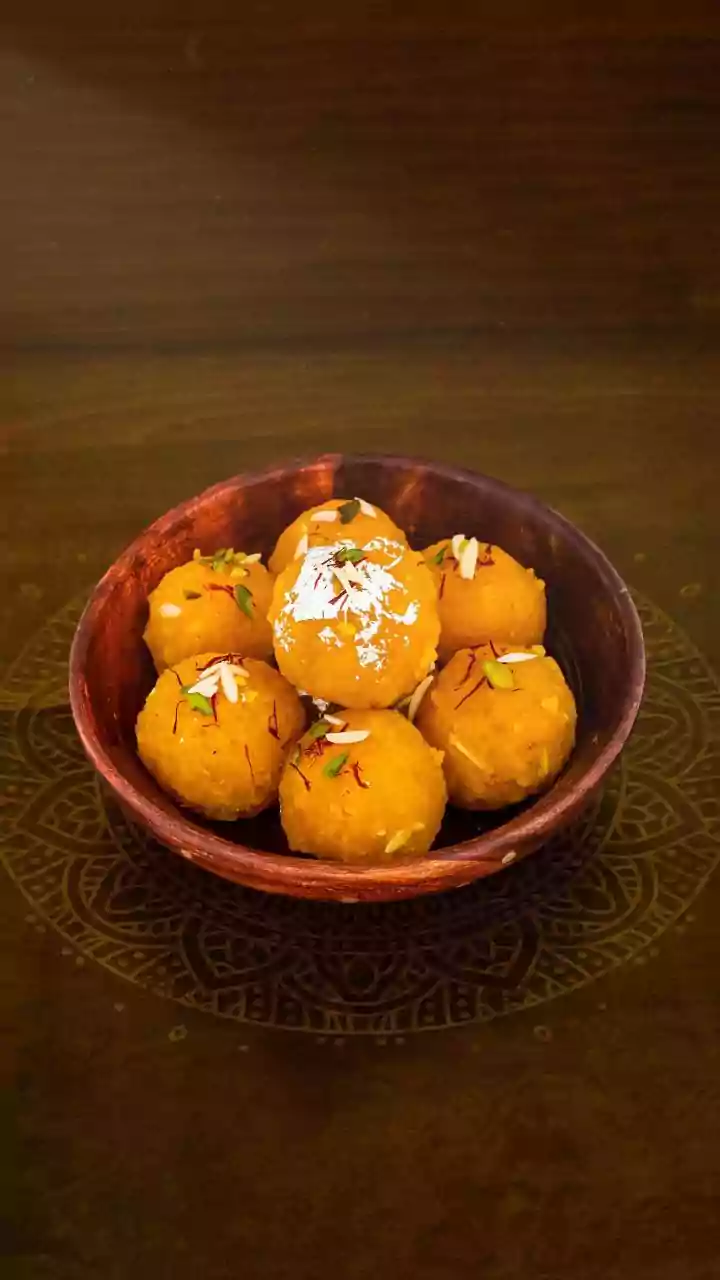
While modern creations like millet brownies are gaining traction, this trend is also about revisiting and celebrating tradition. Many classic Indian sweets have long used millets. Ragi Ladoo, for example, is a timeless, nutrient-rich treat. Similarly, sweet Pongal, halwa, and modaks have been made with various millets for generations in different parts of India. Today, these traditional recipes are being rediscovered and appreciated by a new generation. Chefs are refining these classics, such as creating a Millet Junnu (a plant-based pudding) or a Mixed Millet Burfi, preserving familiar flavours while enhancing their nutritional profile. This blend of old and new ensures that the millet trend is not just a fad, but a meaningful return to culinary roots.