

Function First: The Practicalities of Potting
Before we delve into aesthetics, the health of your plant is paramount. The most critical feature of any good pot is drainage. Without a hole at the bottom, water can accumulate and lead to root rot, which is a common demise for many houseplants. If you fall
in love with a decorative pot that lacks drainage, consider using it as a cachepot—simply place a smaller, functional pot with drainage inside it. Size is another crucial factor. A pot should be proportionate to the plant's root system, typically about 1-2 inches larger in diameter than the root ball for smaller plants. This gives the roots space to grow without being overwhelmed by excessive, moisture-retaining soil.
Complementing Colour and Texture
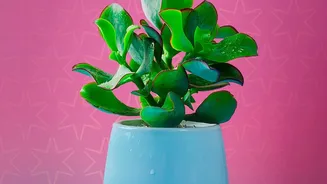
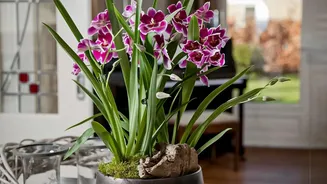
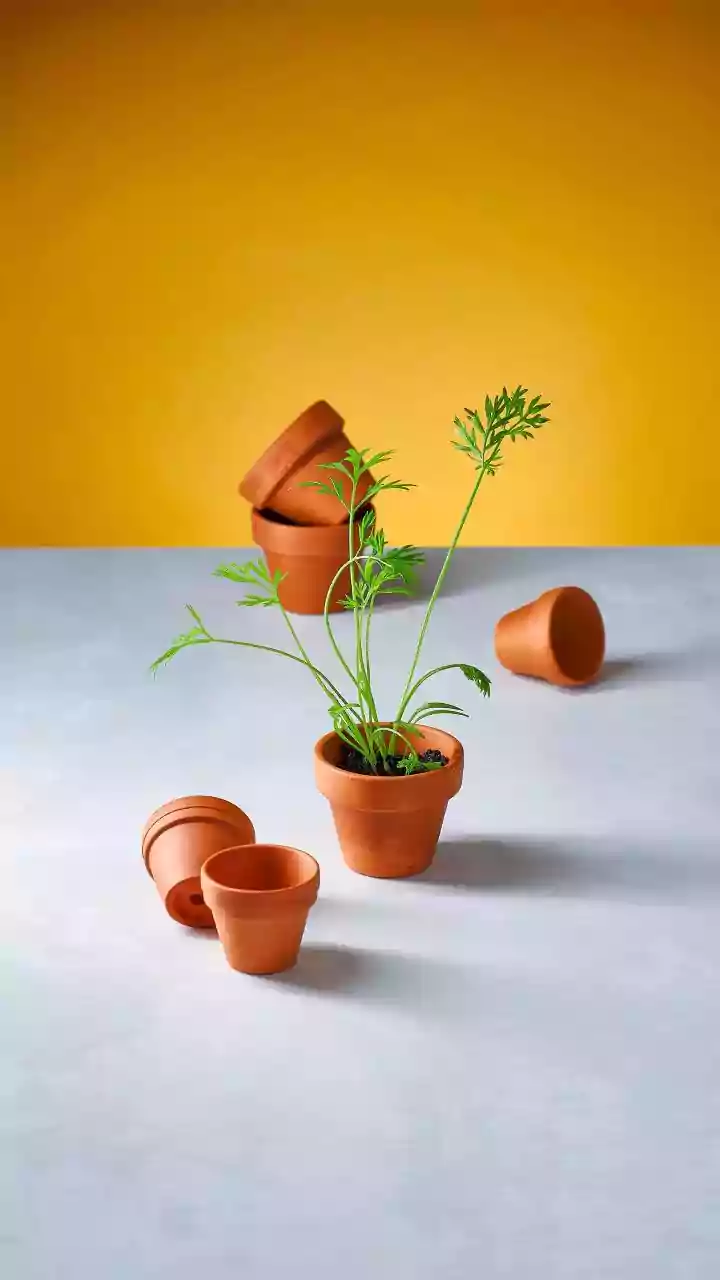
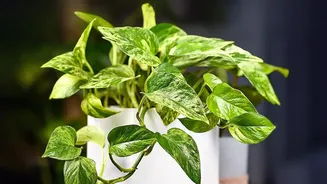
The colour of your pot should enhance the plant, not compete with it. A simple rule is to let the plant be the star. For plants with vibrant, multi-coloured, or variegated leaves, a pot in a neutral, solid colour like white, grey, black, or an earthy terracotta creates a calm backdrop that allows the foliage to pop. Conversely, a plant with simple, uniform green leaves can be beautifully highlighted by a pot with a bold colour or an intricate pattern. Think about the colour palette of the room as well. Choosing pots that align with your existing decor will create a more unified and intentional look. Don't forget texture; a smooth, glazed pot offers a different feel from a rough, unglazed one, adding another layer of sensory detail to your display.
Shape Supports Style
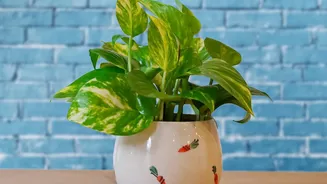
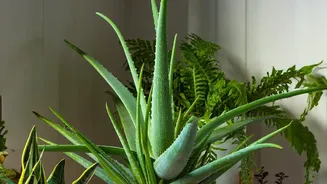
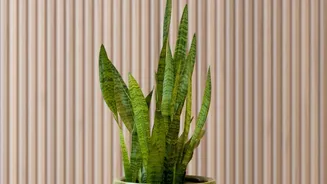
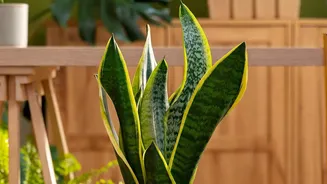
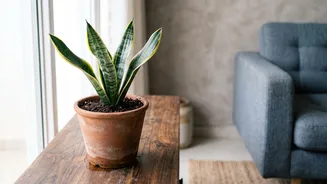
The shape of the pot can accentuate the natural form of your plant. Tall, upright plants like a Snake Plant or a Fiddle Leaf Fig look elegant and statuesque in sleek, cylindrical pots that mirror their vertical growth. Trailing plants, such as Pothos or String of Pearls, are perfect for hanging planters or pots placed on high shelves, where their cascading foliage can be fully appreciated. For plants that grow in a wide, bushy manner, a lower, bowl-shaped planter gives them room to spread out and creates a sense of stability. The goal is to create a visual harmony where the pot and plant feel like a single, cohesive unit.
The Ceramic Advantage for Cohesion
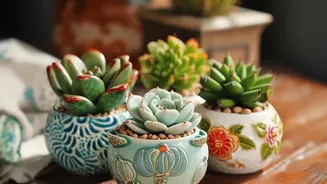
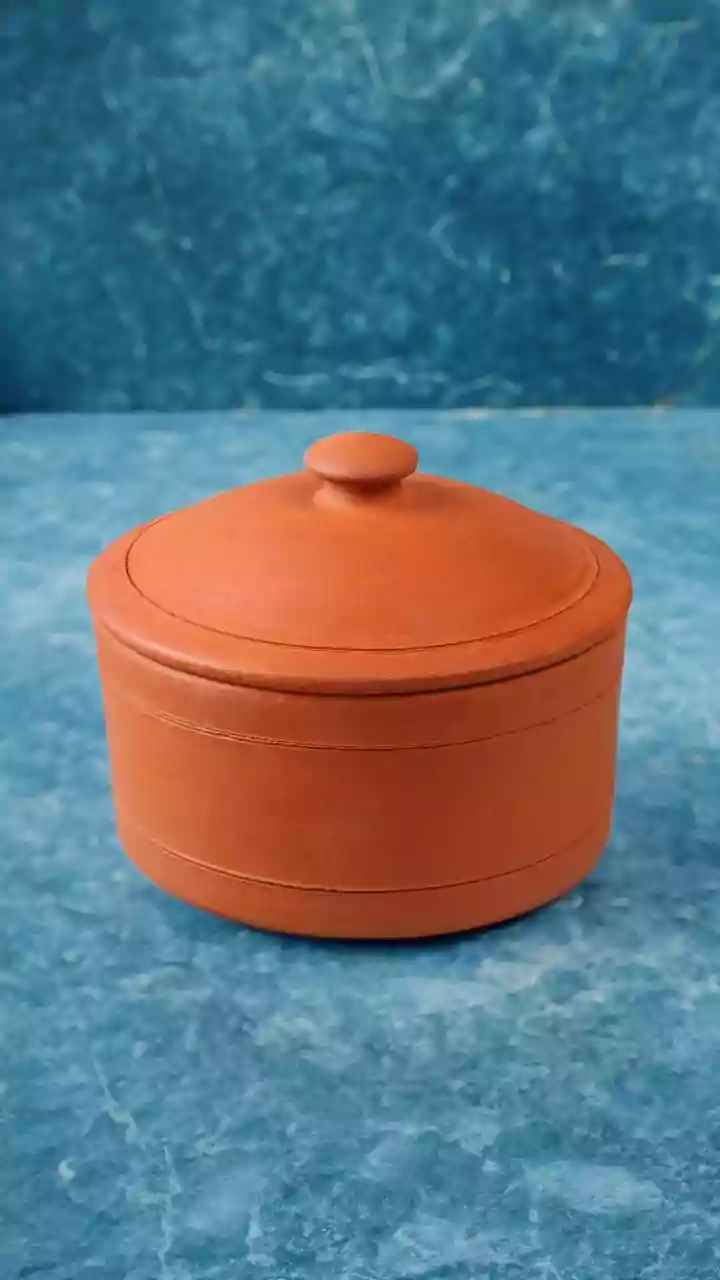
When aiming for a cohesive indoor display, ceramic pots are an excellent choice. Available in an endless variety of shapes, sizes, colours, and finishes, they make it easy to find options that suit your style. Ceramic is heavier and more substantial than plastic, providing stability for top-heavy plants and reducing the risk of them tipping over. The material is also porous, which allows for better air and moisture circulation to the roots, promoting a healthier environment for the plant. Whether glazed for a sleek, modern look or unglazed for a rustic, earthy feel, using ceramic pots throughout your collection can create a sense of unity, even if the individual styles vary.
Creating Impact Through Grouping
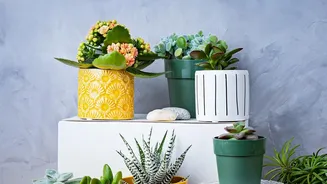
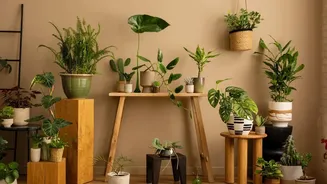
While a single statement plant can be powerful, grouping several plants together often creates a more dynamic and lush display. An easy principle to follow is the 'rule of three,' arranging plants in odd numbers for a look that feels balanced yet natural. Create visual interest by varying the heights and shapes of both the plants and their pots. Place taller plants at the back and shorter ones at the front. You can use plant stands or even stacks of books to elevate certain pots and create different levels. By grouping pots of a similar colour or material, you can build a collection that feels curated and thoughtful, turning a simple corner of your home into a beautiful green vignette.