


What Are Naphthalene Balls and How Do They Work?
Naphthalene balls are small spheres made of a chemical pesticide, most commonly naphthalene or sometimes paradichlorobenzene. These solid chemicals have a unique property called sublimation, meaning they turn directly from a solid into a gas at room temperature.
It's this pungent gas that is toxic to moth larvae and other fabric-eating insects, not just a simple repellent. When you see a naphthalene ball shrink over time, it's not disappearing; its entire mass has become a gas that builds up in enclosed spaces to protect your belongings. This is why that signature smell means the pesticide is in the air you are breathing.
The Right Way: Using Them for Safe Storage
To be effective and safe, naphthalene balls must be used in a specific way. The key is to create a sealed environment where the gas can accumulate to levels high enough to eliminate pests. Simply tossing them into an open wardrobe or drawer is not only ineffective but also allows the toxic fumes to spread throughout your living space. The correct method is to place clothes and a few naphthalene balls inside a well-sealed container, like an airtight storage box or a securely closed trunk. Avoid direct contact between the balls and your fabrics, as this can cause yellow stains or damage to the material over time. Using a small pouch or wrapping them in paper can prevent this.
Ventilation: A Point of Common Confusion
The headline mentions ventilation, which is crucial but often misunderstood. Naphthalene balls should not be used in ventilated or open areas, as the protective gas will simply dissipate, rendering them useless. Instead, ventilation is critical after storage. Before you wear any clothing that has been stored with naphthalene balls, it's essential to air it out thoroughly, preferably outdoors, until the smell is completely gone. Afterwards, washing the clothes is a necessary step to remove any lingering chemical residue. This is especially important for items that will be used by children, such as blankets or clothing.
The Unseen Risks: Health and Safety Concerns
The same chemicals that kill insects can pose risks to humans and pets, especially with improper use. Inhaling the fumes can lead to headaches, dizziness, nausea, and irritation of the eyes and respiratory tract. Accidental ingestion is a serious danger, particularly for small children and pets who might mistake the white balls for candy. Long-term or high-level exposure is linked to more severe health problems, including a condition called hemolytic anemia, where red blood cells are damaged. The International Agency for Research on Cancer (IARC) classifies naphthalene as possibly carcinogenic to humans, based on animal studies.
Safer, Natural Alternatives for a Pest-Free Home
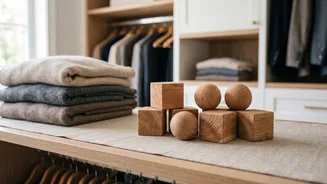
Given the risks, many people are turning to safer, natural alternatives to protect their belongings. These options can be just as effective without filling your home with chemical fumes. Cedar wood blocks or rings are a popular choice; the natural oils in cedar are toxic to moth larvae. You can refresh them each season by lightly sanding the surface. Dried neem leaves, a traditional Indian remedy, contain azadirachtin, a well-known insecticidal compound. Sachets filled with aromatic herbs and spices like dried lavender, cloves, rosemary, or mint can also work as effective repellents. These alternatives not only keep pests away but also leave your clothes with a pleasant, natural fragrance.