






1. Choose Your Stage
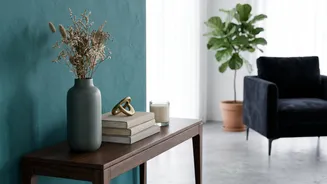
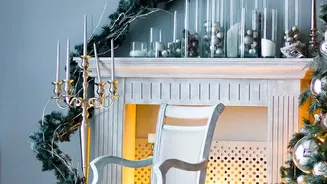
Before you gather your decorations, you need a place to display them. Look for a prominent piece of furniture that can serve as a natural focal point. A fireplace mantel is a classic choice, but a console table in the entryway, a floating shelf, or even
the top of a wide dresser or bookshelf works perfectly. The goal is to select a surface that draws the eye and provides a solid foundation. Clear this surface completely. This blank canvas approach helps you see the space with fresh eyes and prevents you from simply adding to existing clutter. By defining your stage, you create boundaries for your display, which keeps the final result feeling intentional and curated rather than random.
2. Shop Your Home for Decor
This is the most creative part of the process. Go on a scavenger hunt through your own home, gathering items that could potentially fit your festive theme. Don't limit yourself to things you typically think of as 'decorations'. Everyday items can be repurposed beautifully. Collect trays, bowls, pitchers, and baskets. Grab books, candles of varying sizes, and empty glass jars or vases. Even things like scarves can be used as table runners, and pretty ribbons can be tied around objects to instantly make them feel festive. Group potential items together in one area so you can see your full inventory. Look for a mix of materials—wood, metal, glass, ceramic—to add textural interest.
3. Establish a Cohesive Theme
With your collection of items laid out, it's time to decide on a unifying theme. This doesn't have to be complicated; often, a simple color palette is the most effective approach. Maybe you'll focus on metallics like gold and silver, or a cozy combination of cream, wood tones, and green. By selecting two or three core colors, you ensure that your disparate items will look like they belong together. Beyond color, your theme could be a feeling, like 'winter woodland' or 'sparkling glamour'. This will help you edit your selections. If you're aiming for a rustic woodland look, you might set aside the shiny chrome objects in favor of more natural textures.
4. Anchor the Display with a Focal Point
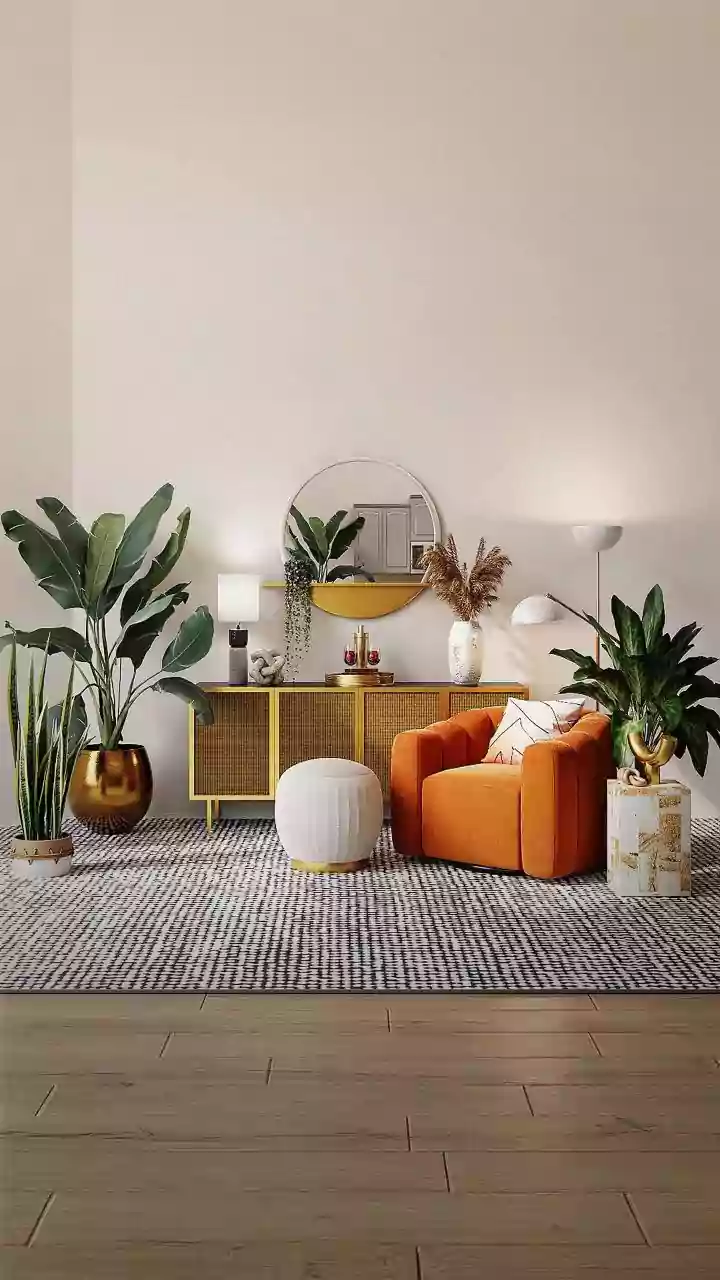
Every great display needs an anchor piece to ground it. This is typically the largest or tallest item and serves as the starting point for your arrangement. A large piece of art or a mirror hung on the wall just above your chosen furniture is a perfect anchor. The general design rule is that this anchor should be about two-thirds the width of the table or mantel to feel balanced. If you don't have a wall-hung piece, a tall vase with branches, a large lamp, or a significant sculpture can serve the same purpose directly on the surface. Place this item first, either in the center for a symmetrical look or off to one side for a more modern, asymmetrical feel.
5. Layer and Vary Heights
Now, begin to build out from your anchor piece. The key to a professional-looking display is creating visual interest through layering and varying heights. Avoid lining everything up in a single row. A popular designer trick is to think in triangles, creating peaks and valleys with your objects. Place taller items toward the back and shorter items in front. You can use a stack of books as a riser to give a smaller object more presence. Group smaller items together, often in odd numbers like three or five, as this tends to be more visually appealing than even numbers. For example, a group could consist of a medium-height vase, a shorter candle, and a small decorative box.
6. Incorporate Natural Elements
One of the easiest and most affordable ways to make a display feel festive and complete is by adding natural elements. Clippings from evergreen trees or shrubs in your yard, bare branches, or a handful of pinecones collected on a walk can bring life and texture to your arrangement. Place branches in a pitcher or vase, tuck greenery around the base of other objects, or fill a bowl with pinecones. During the fall, small gourds or colorful leaves work well. These organic touches soften the hard edges of other objects and provide a connection to the season.
7. The Final Edit
Once you feel like your display is complete, take a step back and look at it from a distance. Does it feel balanced? Is it too cluttered or too sparse? Often, the final step in styling is to remove an item or two. This final edit helps prevent visual noise and ensures each piece has room to be appreciated. Check that your color palette feels consistent and that there's a good mix of textures and heights. Adjust the spacing between objects until the entire composition feels harmonious. It's this last bit of refinement that elevates a simple collection of objects into a truly beautiful festive display.