



A Tale of Two Roots
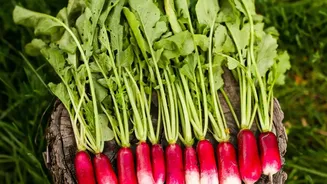
In one corner, we have the radish, a peppery, crisp vegetable often found sliced in salads. In the other, the beetroot, known for its deep purple hue and sweet, earthy flavour. Both are staples in Indian cuisine, from radish-stuffed parathas (mooli paratha)
to vibrant beetroot curries. While they may look equally healthy, their nutritional profiles tell very different stories. Understanding these differences can help you make smarter choices, whether your goal is weight loss, better athletic performance, or simply packing more nutrients into your diet.
The Calorie and Carb Clash
If you are watching your calorie or carbohydrate intake, the radish is your clear winner. A 100-gram serving of raw radish contains only about 16 calories and 3.4 grams of carbohydrates. This makes it an exceptionally low-calorie, low-carb option, perfect for snacking or adding bulk to meals without derailing your diet. Beetroot, by contrast, is more energy-dense. The same 100-gram serving contains around 43 calories and 9.6 grams of carbs. Much of these carbohydrates come from natural sugars (about 6.8 grams), which is what gives beetroot its characteristic sweetness. While higher in calories and carbs, beetroot offers more dietary fibre, with 2.8 grams per 100g compared to radish's 1.6 grams, which aids digestion and promotes a feeling of fullness.
Blood Sugar Impact
The difference in carbohydrate content directly affects how each vegetable impacts blood sugar. Radishes have a very low glycemic index (GI) of around 15, meaning they cause a minimal rise in blood sugar levels. This makes them an excellent choice for individuals managing diabetes. Beetroot has a medium GI of about 61. However, its glycemic load (which considers a typical portion size) is very low, at only 5. This means that in normal amounts, beetroot is unlikely to cause a sharp spike in blood sugar for most people. Its fibre content also helps to slow the absorption of sugar.
The Vitamin Verdict
This is where the competition gets interesting. Radish is a fantastic source of Vitamin C. A 100g serving provides about 14.8 mg, which is significantly more than the 4.9 mg found in beetroot. Vitamin C is a powerful antioxidant that supports the immune system and is vital for healthy skin. However, beetroot is the undisputed champion of folate (Vitamin B9). It provides a massive 109 micrograms (µg) per 100g, which is about 27% of the recommended daily intake. Radish contains a more modest 25 µg. Folate is crucial for cell growth and is especially important during pregnancy to prevent birth defects.
Mineral Match-Up and Unique Compounds
When it comes to minerals, beetroot generally takes the lead. It is richer in iron, potassium, and manganese. But the most significant difference lies in their unique bioactive compounds. Beetroot is famously rich in dietary nitrates. Your body converts these nitrates into nitric oxide, a molecule that relaxes blood vessels, improves blood flow, and can help lower blood pressure. This makes beetroot juice a popular supplement among athletes looking to boost endurance. Radishes have their own special compounds called glucosinolates, which are also found in vegetables like broccoli and cabbage. These sulphur-containing compounds have been studied for their potential anti-cancer properties and their role in supporting liver function.
Which One Should You Choose?
The 'better' vegetable truly depends on your personal health goals. Choose Radish if: You are on a low-carb or ketogenic diet, focused on weight loss, or want to keep your blood sugar as stable as possible. Its high Vitamin C content is also a great immune booster. Choose Beetroot if: You are looking to boost athletic performance, manage blood pressure, or need a rich source of folate. Its higher fibre content is also beneficial for digestive health.