



1. Boiled: Soft, Waxy, and Subtle
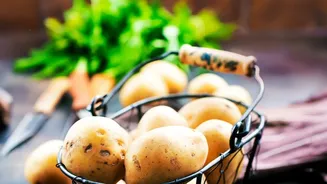
Boiling is perhaps the most fundamental way to cook a potato, using wet heat to gently transform its texture from hard and raw to soft and yielding. When you submerge potatoes in hot water, their starch granules absorb the moisture and swell, a process
called gelatinization. This breaks down the potato's rigid cellular structure, making it tender. The result is a potato with a creamy, waxy, and dense texture that holds its shape well, making it perfect for potato salads or simple side dishes. Because boiling is a lower-temperature, high-moisture method, it doesn't create the browning that builds deep flavour. Instead, you get the pure, earthy taste of the potato itself. For best results, start your potatoes in cold, salted water to ensure they cook evenly from the outside in.
2. Baked: Fluffy Interior, Crispy Skin
A classic baked potato offers a delightful textural contrast that other methods can't replicate. Cooked in the dry, ambient heat of an oven, the potato essentially steams from the inside out. The moisture within the potato turns to steam, cooking the flesh until it becomes light and fluffy. Meanwhile, the dry heat works on the exterior, dehydrating the skin until it becomes crisp and flavourful. An internal temperature of about 98-99°C is the sweet spot for doneness. The type of potato matters here; high-starch varieties like Russets are ideal because their large starch grains separate easily when cooked, leading to that coveted floury texture. The resulting flavour profile is mild on the inside, with a pleasantly roasted, slightly chewy skin.
3. Roasted: Caramelized, Golden, and Rich
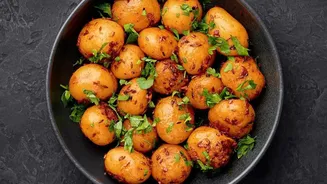
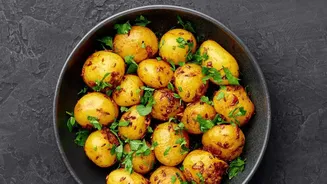
Roasting takes the principles of baking but often adds oil and higher temperatures to achieve a dramatically different outcome. When potatoes are roasted, the dry, intense heat does more than just cook them through—it triggers a series of chemical reactions on the surface. The most important of these is the Maillard reaction, a process where sugars and proteins in the potato react at high temperatures to create hundreds of new flavour and aroma compounds. This is what produces the deep golden-brown colour and rich, nutty, and savory notes that make roasted potatoes so irresistible. The oil helps conduct heat efficiently, ensuring a crisp exterior while the inside remains tender. Unlike boiling, roasting drives off surface moisture, concentrating the potato’s flavour.
4. Fried: Crispy, Crunchy, and Irresistible
Frying is the ultimate technique for creating a supremely crispy texture. By submerging potatoes in hot oil (typically 175-185°C), the water at the surface is instantly vaporized, leaving behind a dehydrated, rigid crust. This process happens much faster and at a higher temperature than roasting, resulting in a crunch like no other. Just like with roasting, the Maillard reaction is in full effect, giving fries and chips their characteristic golden hue and addictive flavour. The success of frying depends on managing moisture; potatoes with lower moisture content tend to produce crisper, less limp results. While it adds more fat, the textural payoff is unique, creating a crisp shell that gives way to a soft, steamy interior.
5. Mashed: Creamy, Smooth, and Absorbent
Mashing isn't just a preparation style; it's a fundamental textural transformation. After boiling the potatoes until they are very tender, the goal is to break down the cooked cell walls to create a smooth purée. However, this is a delicate process. If you overwork the potatoes or use a high-powered tool like a blender, the swollen starch cells can rupture completely, releasing sticky starch molecules that turn the mash into a gluey paste. The perfect mash is achieved by gently breaking the potatoes apart with a ricer or masher, which keeps most of the starch contained. This creates a fluffy, absorbent canvas that readily soaks up butter, cream, and seasonings, resulting in a rich, comforting, and deeply satisfying flavour profile carried by a smooth, pillowy texture.