



A Celestial Event for the Ages
On the evening of August 12, 2026, a total solar eclipse will sweep across northern Spain, the first to grace mainland Europe since 1999. For a few precious minutes, the Moon will pass directly in front of the Sun, casting a narrow shadow of darkness,
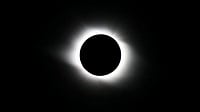
known as the path of totality, across the Earth. While millions across Europe will see a partial eclipse, only those within this specific path will witness the unforgettable spectacle of totality: the moment daylight surrenders to an eerie twilight and the Sun's magnificent outer atmosphere, the corona, becomes visible to the naked eye. This event marks Spain's first total solar eclipse since 1905, making it a historic moment for the continent.
The Perfect Vantage Point
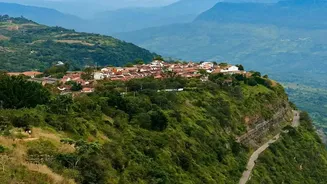
While major cities like Bilbao and Zaragoza are on the path of totality, the tiny village of Avellanosa de Muñó in the province of Burgos finds itself in a uniquely privileged position. Situated squarely within the eclipse path, this quiet hamlet will offer observers a full 1 minute and 46 seconds of total darkness. The partial phase of the eclipse is set to begin there around 7:34 PM local time, with the main event—totality—commencing at approximately 8:29 PM. Free from the light pollution and obstructed views of a major metropolis, the open plains surrounding the village provide an ideal, uncluttered stage for the celestial drama to unfold.
The Sunset Phenomenon
What makes this eclipse truly extraordinary is its timing. In Avellanosa de Muñó, totality will occur when the Sun is just 8.1 degrees above the horizon. This creates the rare and spellbinding phenomenon known as a 'sunset eclipse'. As the Moon devours the last sliver of Sun, the sky will not just darken, it will be wrapped in the vibrant hues of a 360-degree sunset, an effect seen as the distant, uneclipsed sunlight refracts through the atmosphere along the horizon. The eclipsed Sun, a black disc surrounded by the shimmering corona, will hang low in the west, creating a surreal and intensely photogenic scene that combines the awe of an eclipse with the beauty of dusk.
A Race Against the Horizon
This unique timing also presents a challenge. With the sun so low, an unobstructed view of the western horizon is absolutely critical. Any hills, buildings, or even distant trees could potentially block the view at the crucial moment of totality. Eclipse chasers and photographers are already scouting locations, seeking elevated ground or wide-open spaces to guarantee a clear sightline. The sun will set at 9:20 PM in the area, meaning it will still be partially eclipsed as it sinks below the horizon, extending the spectacle until the very last moment of daylight. This race against the setting sun adds a layer of thrilling urgency to the experience, promising a finale that is both fleeting and unforgettable.
What to Expect on the Ground
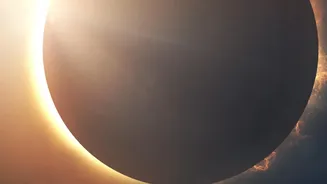
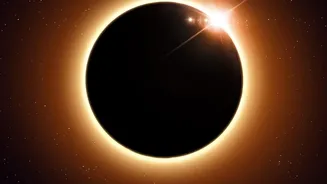
The atmosphere during totality is often described as transformative. The temperature can drop, an unusual silence falls as nature responds to the false dusk, and people often have a profound emotional reaction. The final moments before totality are marked by bizarre visual effects like sharpening shadows and strange, rippling 'shadow bands' on the ground. Then, the brilliant flash of the 'diamond ring' announces the start and end of the total phase. For this brief period, it is safe to look at the eclipsed sun without special eye protection, though certified eclipse glasses are mandatory for all partial phases of the event. In a small community like Avellanosa de Muñó, the shared sense of wonder among locals and visiting astronomy enthusiasts will surely make this rare celestial alignment a deeply communal and memorable event.