



The Unravelling of the 'Third Pole'
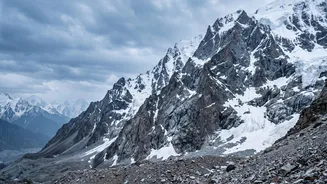
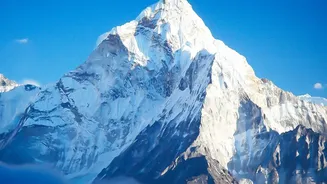
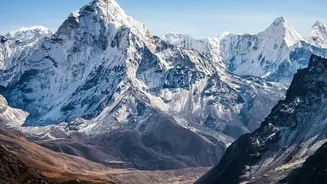
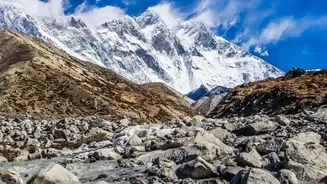
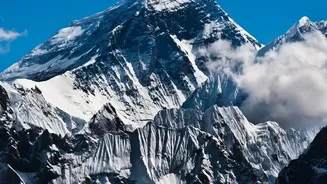
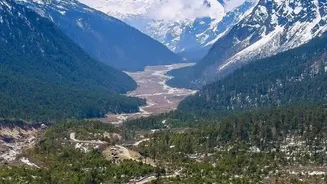
The Hindu Kush Himalaya region is often called the 'Third Pole' because it holds the largest reserve of ice outside the Arctic and Antarctic. These glaciers are the source for ten major river systems that provide water to nearly two billion people across
Asia. However, this vital lifeline is unravelling. Human-caused global warming is causing these glaciers to retreat at an alarming rate, with studies showing they have lost nearly a third of their volume in recent decades and that the melting pace has accelerated significantly. This rapid thaw does not just signify a future water crisis; it creates immediate and deadly hazards for those living in the mountain valleys and downstream.
Anatomy of a Disaster: GLOFs
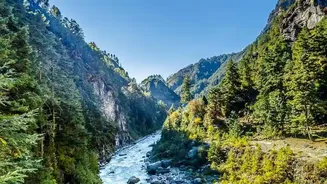
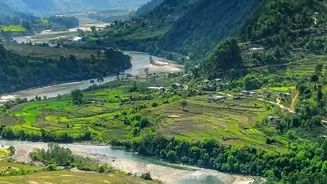
One of the most terrifying risks is a Glacial Lake Outburst Flood, or GLOF. As glaciers melt, the water often pools behind natural dams made of rock and ice debris, called moraines. These newly formed lakes are frequently unstable. An avalanche, rockslide, or simply the pressure of the accumulating water can cause the moraine dam to suddenly break. The result is a catastrophic release of millions of cubic metres of water, mud, and boulders that surges down valleys at incredible speeds, destroying everything in its path. In late August 2026, a massive collapse of rock and glacier ice in the Langtang region triggered a flash flood that killed over 1,400 people and left thousands more missing, demonstrating the horrifying power of such events.
The Double Threat of Thawing Permafrost
It isn't just the visible glaciers that are melting. Rising temperatures are also thawing permafrost—the permanently frozen ground that acts like cement, holding steep mountain slopes together. As this natural glue weakens, entire mountainsides become less stable. Scientists believe that thawing permafrost, combined with the thinning of the glaciers themselves, likely contributed to the instability that led to the catastrophic August 2026 collapse. In effect, the very foundations of the mountains are being compromised by the warming climate, increasing the frequency and scale of landslides that can trigger or worsen floods.
More Than a Melting Problem
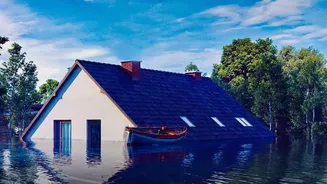
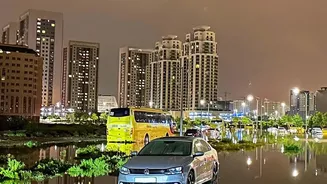
The threat is not limited to glacial events. Climate change also supercharges the annual monsoon. Warmer air holds more moisture, leading to more extreme and erratic rainfall. This can overwhelm river systems already swollen by accelerated glacial melt. The result is a dual threat of riverine flooding and flash floods from intense rain, compounding the danger for communities. This combination puts immense pressure on infrastructure like bridges and hydropower dams, as well as on the agricultural land that millions depend on for their livelihoods. The convergence of these factors means that flood risk is no longer predictable, stretching the country's disaster preparedness systems to their limits.
A Nation on the Frontline
Nepal finds itself in a difficult position, facing the severe consequences of a global climate crisis it did little to create. The government and international organisations are working to improve early warning systems, but the sheer speed and scale of events like the August 2026 flood can overwhelm even the best-laid plans. Building defenses and relocating vulnerable communities are monumental tasks that require significant investment. The recent disasters have highlighted the urgent need for both local adaptation strategies and decisive global action to reduce emissions. Without a concerted effort to curb rising temperatures, the cyclical tragedy of flooding in Nepal is set to become a devastating norm.