


Embrace the Power of Dals and Legumes
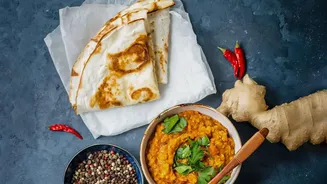
Lentils and legumes are the foundation of vegetarian protein in India. A single katori of cooked dal, like toor, moong, or masoor, can provide between 7 to 9 grams of protein. Staples like rajma and chana (chickpeas) are even more potent, offering around
10 grams of protein per katori. The key is to think beyond just a simple dal-rice combo. For lunch, transform leftover rajma or chana into a vibrant salad. Toss them with chopped onions, tomatoes, cucumber, and a simple lemon-chaat masala dressing. This not only makes for a refreshing meal but also preserves the protein without the need for reheating. Combining lentils with a whole grain like roti or brown rice creates a complete protein profile, providing all the essential amino acids your body needs.
Paneer and Tofu: The Quick Protein Boosters
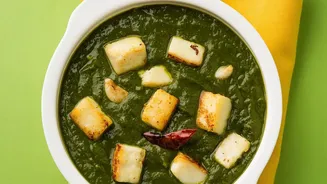
Paneer is a go-to protein source in Indian households for good reason. A 100-gram serving can pack a powerful 18 to 20 grams of protein. Tofu, made from soy, is an excellent plant-based alternative with a similar texture and a protein content of about 8 to 17 grams per 100 grams, depending on its firmness. For a quick lunch, a simple paneer or tofu bhurji is ideal. Just crumble it and sauté with onions, tomatoes, and everyday spices. It cooks in minutes and can be packed with a couple of whole wheat rotis. Another great option is a paneer or tofu stir-fry with colourful bell peppers and onions. It's a low-carb, high-protein dish that keeps you feeling full and energised through the afternoon.
Don't Underestimate Grains, Seeds, and Sprouts
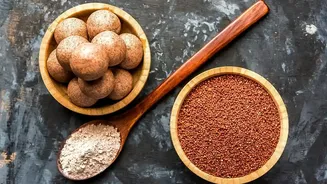
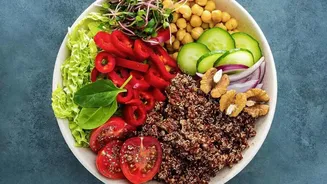
While dals are the stars, other pantry staples play a crucial supporting role. Grains like quinoa are a complete protein source, and ancient grains like amaranth (rajgira) and buckwheat (kuttu) are also excellent choices. Sprouts are nutritional powerhouses. A cup of sprouted moong salad can deliver a significant protein boost with minimal effort. Seeds add a final crunch of protein and healthy fats. A small handful of pumpkin seeds can contain up to 9 grams of protein. Sprinkle a tablespoon of roasted pumpkin, sunflower, or hemp seeds over your salads, sabzis, or raita to effortlessly increase your meal's protein content.
The Creamy Contribution of Curd
Curd, or dahi, is a simple yet effective way to add more protein to your lunch. A bowl of regular curd offers about 7 grams of protein, while Greek yogurt or hung curd can provide as much as 12 grams in a 150-gram serving. It’s incredibly versatile. Pack a simple bowl of dahi to have with your sabzi and roti, or make a quick raita with cucumber and tomato. You can also use hung curd as a base for a creamy, healthy sandwich spread instead of mayonnaise. It adds flavour, a protein kick, and beneficial probiotics for gut health, making your lunch both satisfying and wholesome.
Putting It All Together: Sample Lunchboxes
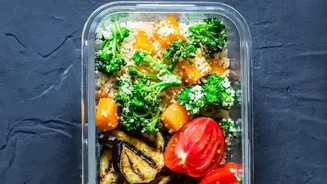
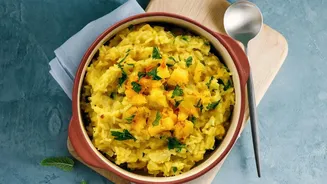
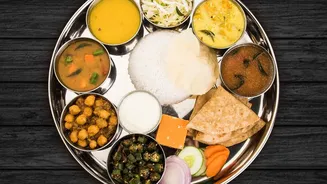
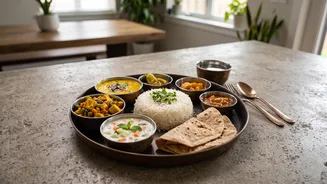
The magic happens when you combine these elements. Here are a couple of ideas for a balanced, protein-rich lunchbox: 1. The Classic Combo: A katori of chana masala, two whole wheat rotis, and a side of cucumber raita. This meal combines protein from chickpeas and curd with fibre and complex carbs from the roti, ensuring sustained energy. 2. The Modern Mix: A quinoa vegetable pulao loaded with paneer cubes and green peas. Quinoa provides complete protein, while paneer and peas add an extra boost. A simple salad on the side completes the meal. 3. The Quick Salad: A sprouted moong and black chana salad with chopped vegetables, tossed in a zesty dressing and topped with a tablespoon of roasted pumpkin seeds. It's light, requires no cooking, and is packed with plant-based protein.