




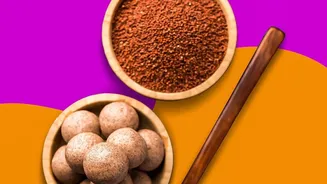
The Contenders: An Introduction
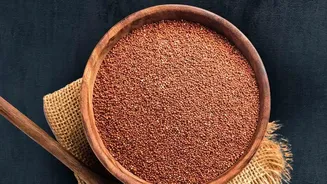
On one side, we have ragi, or finger millet, a humble and hardy grain that has been a staple in Indian households for centuries, especially in the southern states. It's known for its resilience in harsh climates and its deep-rooted place in traditional
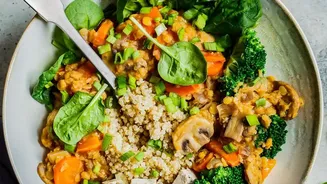
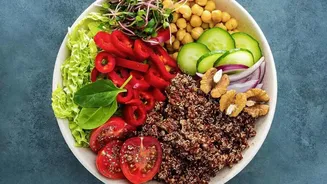
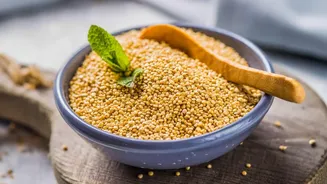
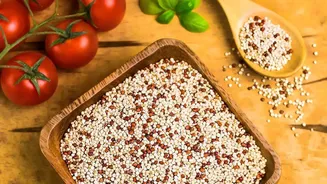
recipes like 'mudde' and 'roti'. On the other side is quinoa, a seed from South America that is consumed like a grain. Dubbed 'the mother of all grains' by the Incas, it has gained worldwide fame over the last decade for its impressive nutritional profile, becoming a symbol of modern health consciousness.
Protein Power: A Complete Story?
Quinoa's biggest claim to fame is that it's a 'complete protein', meaning it contains all nine essential amino acids that our bodies cannot produce on our own. This makes it an excellent choice for vegetarians and vegans. A 100g serving of uncooked quinoa offers a substantial 13-15g of protein. Ragi, while still a good source, provides about 7-9g of protein per 100g. It is not a complete protein on its own because it's lower in the amino acid lysine. However, traditional Indian eating habits smartly solve this problem. When ragi is paired with dal (lentils) or curd, the combination creates a complete amino acid profile, making the meal nutritionally whole.
The Calcium Champion
When it comes to calcium, ragi is the undisputed winner, and it's not even a close contest. A 100g serving of ragi contains a remarkable 344-364 mg of calcium. This is significantly more than quinoa, which offers around 47-198 mg per 100g depending on the data source. For a population where calcium deficiency can be a concern, ragi offers a powerful, plant-based solution for bone health, far surpassing most other grains.
Fibre, Iron, and Other Nutrients
Both grains are good sources of dietary fibre, which is crucial for digestive health and feeling full for longer. Some data suggests ragi has a slight edge with about 11g of fibre per 100g compared to quinoa's 7-14.7g. In terms of iron, another critical mineral, quinoa tends to come out ahead, providing about 4.6 to 7.5 mg per 100g, while ragi contains around 3.9 to 4.6 mg. Quinoa also generally contains higher levels of vitamins like folate and Vitamin E. However, ragi holds its own with more magnesium than quinoa.
Blood Sugar and Glycemic Index
For individuals managing blood sugar levels, the glycemic index (GI) is an important factor. Both ragi and quinoa have a low-to-medium GI, meaning they release sugar into the bloodstream slowly and prevent sharp spikes. Quinoa has a GI of around 53, while ragi's GI ranges from about 54 to 68. This makes both grains suitable choices for those with diabetes or anyone looking to maintain stable energy levels, when consumed in appropriate portions.
The Practical Verdict: Cost and Versatility
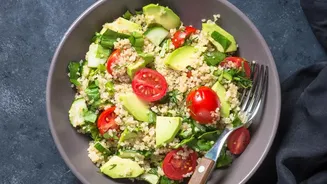
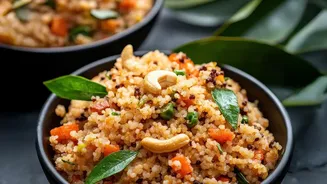
Here's where the comparison becomes very practical. Quinoa, being largely imported, is significantly more expensive in the Indian market, often costing four to five times more than ragi. Ragi is a locally grown crop, widely available, and incredibly affordable, making it a sustainable choice for daily consumption. In the kitchen, ragi flour is a versatile ingredient for traditional Indian dishes like rotis, dosas, porridges, and ladoos. Quinoa's fluffy texture works well in salads, pulao, and upma, often as a substitute for rice.