





The Foundation: Perfect Peanuts
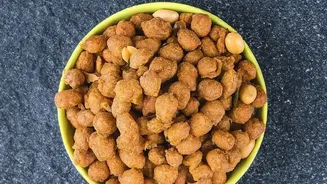
The secret to a crunchy chaat begins and ends with the peanuts. Whether you prefer boiled or roasted peanuts, the preparation is key. For the crunchiest result, opt for roasted peanuts. You can dry roast them in a pan, an oven, or an air fryer until they
are fragrant and cooked through. The most crucial step, however, is to let them cool completely before they meet any other ingredient. Mixing warm peanuts with vegetables will create steam, which is the fastest path to a soft, underwhelming texture. If you choose to use boiled peanuts for a softer bite, ensure they are drained thoroughly and cooled to room temperature before assembling the chaat. Any excess water is an enemy of a well-textured chaat.
Identify the Moisture Culprits
The primary reason peanut chaat becomes soggy is the high water content of its fresh ingredients. Onions and tomatoes are notorious for releasing moisture, especially once they come into contact with salt. This process, known as osmosis, is where salt draws water out from the vegetable cells, creating a watery pool at the bottom of your bowl. Lemon juice, while essential for that tangy flavour, also adds significant liquid. To combat this, you can de-seed your tomatoes before chopping them, as the pulp and seeds hold the most water. Some recipes even recommend salting chopped cucumbers and tomatoes separately, letting them sit for about 30 minutes to draw out excess liquid, and then draining them before adding them to the chaat.
Timing is Everything: The Art of Assembly
The professional secret to a perfect, party-ready peanut chaat is not a special ingredient, but a simple strategy: assemble it just before serving. This doesn't mean you can't prepare in advance. The key is to prep your components and store them separately. You can roast and cool your peanuts, chop your onions, tomatoes, and coriander, and keep them in separate airtight containers in the refrigerator. You can even prepare a dry spice mix with chaat masala, cumin powder, and chilli powder. When you're ready to serve, simply combine the peanuts, vegetables, and spice mix in a large bowl. The 'wet' ingredients—specifically salt and lemon juice—should always be the very last things you add. Toss everything together quickly and serve immediately for maximum crunch and freshness.
Seasoning That Sticks, Not Soaks
To ensure your chaat is well-seasoned without becoming a soggy mess, layer your seasonings strategically. Toss your cooled, roasted peanuts with the dry spice powders first. This allows spices like chaat masala, chilli powder, and roasted cumin powder to coat the peanuts evenly without the risk of clumping. If you're using pre-salted roasted peanuts, be mindful when adding more salt. It's always best to mix everything else first, have a taste, and then add black salt or regular salt as needed. Remember, salt is the main trigger for vegetables releasing water, so adding it at the very end, right after the lemon juice, ensures the flavour is present but doesn't have time to make the chaat watery before it's enjoyed.
Storing Leftovers (If You Have Any)
Ideally, peanut chaat is meant to be consumed fresh, as it does not store well once mixed. However, if you do have leftovers, the best way to preserve some of their integrity is to store them in an airtight container in the refrigerator for up to a day or two. Be aware that the peanuts will inevitably lose some of their crunchiness over time as they absorb moisture from the other ingredients. You may need to drain off some of the liquid that has accumulated at the bottom of the container before eating. For a slight revival, you can try spreading the chaat on a baking sheet and toasting it in an oven for a few minutes to help dry it out, but the texture will not be the same as when it was freshly made.