



As married women across India prepare for Karwa Chauth on October 29, 2026, a common question arises about the fast's strictness. A key aspect of this day-long observance is understanding its traditional rules, especially concerning water.
The Direct Answer: A 'Nirjala' Tradition
Traditionally,
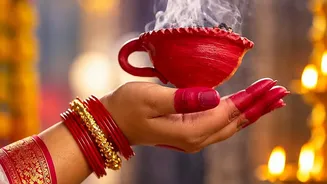
the Karwa Chauth fast is a 'Nirjala Vrat', which translates to a fast without water. From sunrise until moonrise, women who observe it in its strictest form abstain from consuming both food and even a single drop of water. This practice is rooted in deep cultural and spiritual beliefs, symbolising the wife's sacrifice, devotion, and prayers for her husband's long life and well-being. The fast is broken only after sighting and offering prayers to the moon. The husband then traditionally offers his wife her first sip of water and bite of food for the day.
The Significance of a Waterless Fast
The practice of 'Nirjala' fasting is considered a powerful display of determination, love, and self-control. The origins of Karwa Chauth are linked to various legends, including the story of Queen Veeravati and of Draupadi in the Mahabharata, where a wife's unwavering commitment and sacrifice through fasting are shown to protect her husband. By undertaking such a rigorous fast, a woman is believed to demonstrate immense love and willpower, invoking divine blessings for her husband's longevity and prosperity. The act of abstaining from water, the most basic element for life, elevates the spiritual significance of the observance.
Modern Practices and Health Considerations
While the traditional rule is clear, modern life brings practical considerations. Health must always come first. Religious customs explicitly make exceptions for those who are pregnant, breastfeeding, unwell, or have chronic medical conditions like diabetes, high blood pressure, or kidney disease. In these cases, a strict Nirjala fast is not advisable, and it is highly recommended to consult a doctor before deciding to fast. Many women in these situations opt for a modified fast, consuming water, fruits, or milk. This is sometimes called a 'Phalahar' vrat. The sincerity and devotion behind the act are considered more important than rigid adherence at the cost of one's health.
Sargi: The Crucial Pre-Dawn Meal
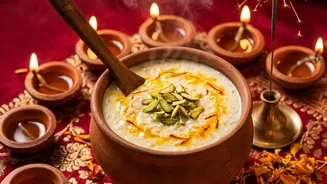
The key to successfully navigating the long day of fasting lies in the 'Sargi'. This is a pre_dawn meal, traditionally prepared by the mother_in_law, eaten before sunrise. A well_balanced Sargi is essential for sustenance. It should include hydrating foods and drinks like fresh fruits, coconut water, or milk. It should also contain complex carbohydrates and proteins—such as paratha, dalia, or paneer—for sustained energy release, and a handful of nuts. It is wise to avoid overly oily, spicy, or sugary foods, as they can lead to acidity or increased thirst later in the day.
Karwa Chauth Date and Timings for 2026
In 2026, Karwa Chauth will be observed on Thursday, October 29, in India. The Chaturthi Tithi, or the fourth day of the lunar fortnight, begins at 1:06 AM on October 29 and ends at 10:09 PM the same night. As the fast is broken after moonrise, the evening timings are crucial. For New Delhi, the moon is expected to rise around 8:17 PM, with the puja muhurat (auspicious time for worship) lasting from 5:38 PM to 6:56 PM. These timings vary by location, so it is always best to check a local panchang for precise details in your city.
How to Safely Break the Fast
After a long day of abstinence, it is important to break the fast gently. Once the moon has been sighted and the rituals are complete, start with small sips of water to rehydrate your body. Follow this with something light, like a date or a piece of fruit, to restore your energy levels without overwhelming your digestive system. For the main meal, opt for easily digestible foods like khichdi with curd, or roti with a simple dal and vegetable preparation. Eating slowly and in moderation will help prevent discomfort like bloating or acidity.