

The Power in the Rhizome
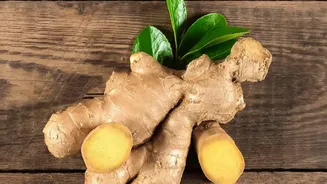
Ginger is more than just a flavorful spice; it’s packed with compounds that can benefit plant health. It contains essential minerals like potassium and magnesium, which are vital for strong cell walls and overall plant structure. The same antimicrobial
and anti-inflammatory properties that make it a medicinal staple for humans can also work wonders in the soil. Specifically, ginger's natural antifungal and antibacterial qualities can help combat bad bacteria and prevent fungal overgrowth around the roots of your plants, a common cause of dreaded root rot. This makes it a fantastic, eco-friendly alternative to chemical treatments.
The Simple 2-Ingredient Recipe
Making ginger water is incredibly straightforward and requires only fresh ginger and water. While some recipes suggest adding other ingredients like vinegar or soap for pest control, a basic infusion is all you need to start boosting your plant's health. Here’s the most common method: 1. Take a piece of fresh ginger root, about 1-2 inches long. Peeling is optional, but be sure to rinse it well. 2. Grate or finely slice the ginger. The smaller the pieces, the more effectively the beneficial compounds will infuse into the water. 3. Add the ginger to about four cups (1 litre) of water in a pot. 4. Bring the water to a boil, then reduce the heat and let it simmer for 10 to 15 minutes. 5. Remove the pot from the heat and allow the 'ginger tea' to cool down completely. 6. Strain the liquid into a clean container, like a jar or spray bottle, to remove the solid ginger pieces. Your ginger water is now ready to use.
How to Use Ginger Water in Your Garden
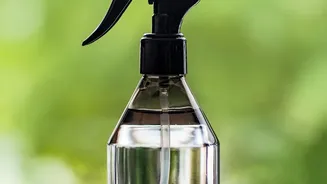
There are two primary ways to apply your homemade ginger water to benefit your plants: as a soil drench or as a foliar spray. For a soil drench, simply pour the cooled ginger water directly onto the soil around the base of your plants. This method allows the roots to absorb the nutrients and antimicrobial compounds efficiently, helping to stimulate root growth and prevent root rot. It's recommended to dilute the concentrated ginger water before applying it; a good ratio is one part ginger water to three or four parts plain water. As a foliar spray, pour the strained liquid into a spray bottle and mist the leaves of your plants. This can help deter common pests like aphids, grasshoppers, and caterpillars, as the spicy compound zingerone can be off-putting to them. For best results, spray in the early morning or late evening to avoid the hot sun.
Key Benefits and Best Practices
Regular use of ginger water can lead to several noticeable improvements in your garden. It acts as a mild natural fertilizer, promoting stronger root development and healthier growth. Its antifungal properties are particularly useful in preventing root rot, a silent killer for many potted plants. Furthermore, it can serve as a natural pest deterrent, reducing the need for chemical pesticides. For best results, apply ginger water about once every two to four weeks. While it is natural, it's always wise to test it on a small part of a plant first, especially with more sensitive varieties. Avoid overwatering, as ginger water cannot fix problems caused by consistently soggy soil. Any leftover ginger pulp from the recipe doesn't need to be wasted; you can chop it up and add it to your compost pile in moderation.