



The New Local: Beyond the Farm
The farm-to-table movement has been a cornerstone of conscious dining for years, but a deeper, more ancient practice is now finding its place in India’s modern restaurants. Chefs are venturing beyond cultivated fields into forests, hillsides, and coastal
stretches to forage for ingredients that have been part of indigenous diets for centuries. This isn’t about chasing a fleeting global trend; it's a quiet revolution focused on rediscovering and celebrating the subcontinent's incredible biodiversity. Foraging offers a direct connection to the land and seasons, a philosophy that chefs like Vanika Choudhary of Mumbai's Noon and Prateek Sadhu of NAAR in Kasauli are championing. They are building menus around ingredients that tell a story of a specific place and time, moving past the usual roster of vegetables to embrace wild greens, flowers, and ferns that rarely make it to urban markets.
A Taste of the Wild
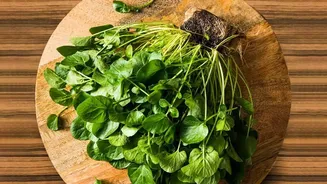
So, what exactly are these forest ingredients? In the Himalayan belt, one of the most celebrated is the fiddlehead fern, known locally as 'lingri,' 'kasrod,' or 'lingud'. Harvested as a young, coiled frond, it has a tender texture and a unique, slightly nutty flavour, often pickled or cooked as a simple sabzi. Further south, the Mahua flower, from the Madhuca longifolia tree, has been a traditional sweetener in central and eastern India for generations. With its honey-like sweetness and floral notes, chefs are now using it in everything from desserts like halwa to balancing the flavours in savoury curries. In Bengal, the Gondhoraj Lebu, or 'king of fragrance lime,' isn't just a souring agent; its intensely aromatic rind and leaves are used to perfume dals, curries, and even cocktails, providing a flavour that is quintessentially regional.
Chefs as Custodians of Flavour
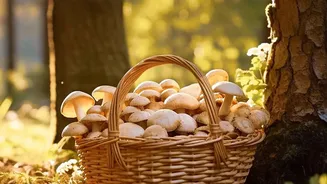
This movement is being led by a generation of thoughtful chefs who see themselves as custodians of culinary heritage. For Chef Vanika Choudhary, foraging for ingredients like Kashmiri morels or Ladakhi wild garlic is a way to preserve recipes and flavours from her childhood. Her restaurant, Noon, which specialises in fermentation and foraged produce, brings these rare tastes to a fine-dining context. Similarly, Chef Prateek Sadhu’s NAAR in Himachal Pradesh is a tribute to Himalayan cuisine, using ingredients either foraged or sourced from small, local producers. For these chefs, foraging is not just about finding novel ingredients; it's about understanding the ecosystem, learning from local and tribal communities who have been the keepers of this knowledge for centuries, and building a menu that is truly reflective of India's diverse landscape.
Authenticity Over Hype
What makes this current wave of foraging different from past trends is its emphasis on responsibility and respect. The headline's promise of avoiding 'hype' is central to the ethos of these chefs. It’s not about plucking an exotic ingredient for shock value but about sustainable harvesting and giving credit to the indigenous communities who have safeguarded this knowledge. Chef Radhika Khandelwal of Fig & Maple highlights the responsibility that comes with foraging: “not everything edible should be taken.” Many chefs work directly with tribal communities and initiatives like OOO Farms to ensure that foraging is ethical, supports local livelihoods, and doesn’t deplete resources that these communities depend on. This approach ensures the movement remains grounded in cultural appreciation rather than commercial appropriation.