




Tomatoes: For a Fuller Flavour, Keep Them on the Counter
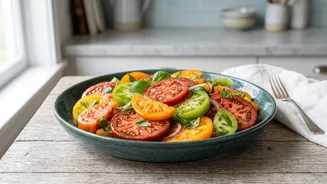
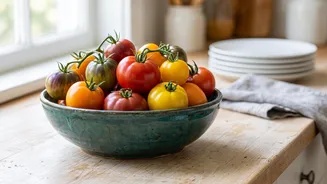
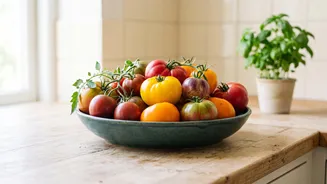
A juicy, flavourful tomato is a thing of beauty, but the cold environment of a refrigerator is its worst enemy. Chilling a tomato below a certain temperature permanently hampers the enzymes that are responsible for creating its complex, sweet, and tangy
taste. The cold doesn't just mute the flavour; it also ruins the texture. The chill damages the cell membranes within the fruit's flesh, causing it to become mealy and mushy once it returns to room temperature. For the best results, store your tomatoes on the countertop, out of direct sunlight. If they are perfectly ripe and you won't get to them for a day or two, refrigeration can be a last resort to prevent spoilage, but be sure to let them return to room temperature before eating to reclaim some of the flavour.
Potatoes: A Cool, Dark Place is Best
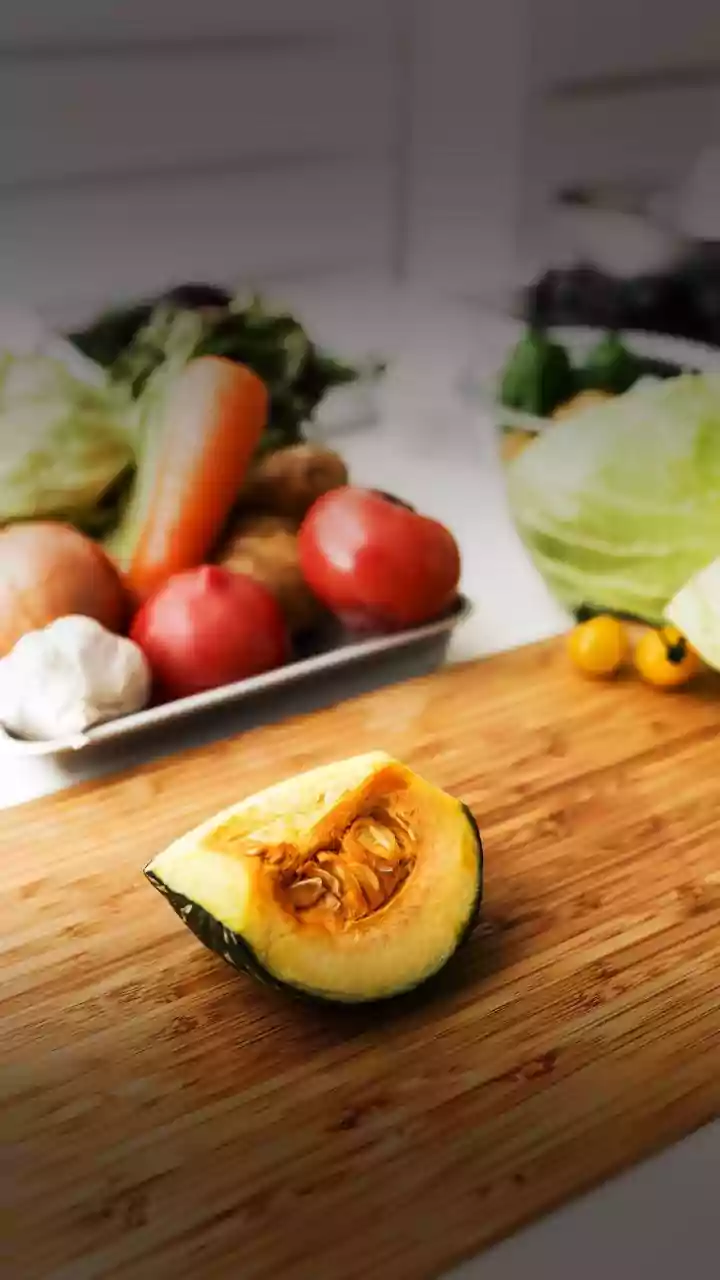
Potatoes thrive in cool, dark, and dry environments, but the refrigerator is simply too cold. When stored at chilly fridge temperatures, the starch in a potato begins to convert into sugar. This not only gives the potato an unpleasantly sweet taste but can also cause it to darken when cooked, especially when frying. To preserve their intended flavour and texture, store potatoes in a breathable container like a paper bag, mesh bag, or a ventilated crate. Keep them in a pantry or a cool cupboard away from light, which can cause them to turn green. It’s also wise to store them away from onions, as the gases released by onions can accelerate sprouting in potatoes.
Bread: The Fridge Makes It Stale, Faster
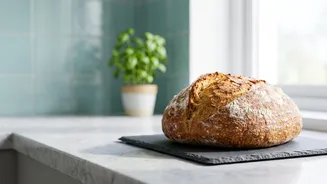
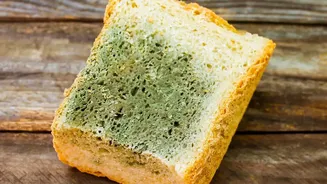
It seems counterintuitive, but storing bread in the refrigerator actually makes it go stale more quickly. Staleness isn't just about drying out; it's a process called starch retrogradation. After baking, the starch molecules in bread are soft and gelatinous. Over time, they start to recrystallize and harden. This process happens much faster at cool refrigerator temperatures than it does at room temperature. While the fridge might slow down mould growth, it sacrifices texture. The best place for a loaf you plan to eat within a few days is in a bread box or a sealed paper bag at room temperature. For long-term storage, the freezer is your best friend. Freezing almost completely halts the staling process, preserving the bread's freshness until you're ready to toast it.
Onions and Garlic: Let Them Breathe
Onions and garlic are foundational ingredients that prefer storage conditions similar to potatoes: cool, dark, and with good air circulation. The humidity inside a refrigerator is a problem for them, as it can cause them to become soft, mouldy, or start sprouting prematurely. Keeping them in a mesh bag or a basket in a pantry or cupboard is ideal. This allows air to circulate, keeping them dry and firm. A key rule of thumb is to store onions and potatoes separately. While they may be destined to meet in the cooking pot, storing them together causes both to spoil faster due to the gases and moisture they each release.
Honey: Naturally Preserved for Ages
Honey is one of nature's marvels, with a nearly indefinite shelf life thanks to its high sugar concentration and natural acidity, which prevent bacteria from growing. Putting it in the fridge is completely unnecessary and actually detrimental to its texture. The cool temperatures cause honey to crystallize rapidly, turning the smooth, viscous liquid into a thick, grainy sludge that is difficult to use. If your honey does crystallize, it hasn't gone bad; this is a natural process that can be reversed. Simply place the jar in a bowl of warm water and stir gently until the crystals dissolve. The best way to store honey is in its original airtight container at room temperature, conveniently located in your pantry or a kitchen cabinet.