




A Treasure from African Blossoms
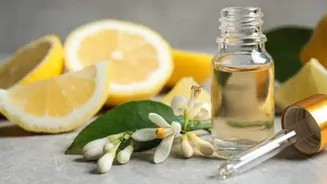
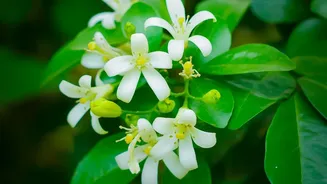
Neroli oil is an essential oil extracted from the delicate white flowers of the bitter orange tree, Citrus aurantium. While the tree is cultivated in various parts of the world, North African countries like Tunisia, Morocco, and Egypt are leading producers
of this highly prized oil. The region's warm climate and fertile soil provide ideal growing conditions. The name 'Neroli' itself is believed to have originated in the 17th century with an Italian princess, Anne Marie Orsini of Nerola, who famously used the essence to perfume her gloves and bathwater, popularizing its enchanting scent.
From Flower to Fragrant Oil
The process of creating neroli oil is painstaking and requires an incredible volume of raw material. The blossoms are typically harvested by hand in the spring, a delicate process often providing employment to local communities. To extract the oil, the flowers undergo steam distillation shortly after being picked to preserve their volatile compounds. It takes about 1,000 kilograms of these hand-picked flowers to produce just one kilogram of neroli oil, which explains why it is one of the more expensive essential oils on the market. This process separates the essential oil from the floral water, which is also used in cosmetics and is known as neroli hydrosol or orange blossom water.
A Multi-Tasker for Skin Health
Beyond its beautiful fragrance, neroli oil is a powerhouse ingredient in skincare formulations. One of its most celebrated properties is its ability to help balance the skin. It can help regulate sebum production, making it suitable for oily and combination skin types without over-drying. For those with dry skin, it offers lightweight hydration, helping to lock in moisture and leave the skin feeling supple. This balancing act makes it a versatile ingredient that addresses multiple concerns at once, promoting a nourished and comfortable complexion.
Rejuvenating and Protective Properties
Neroli oil is also known for its potential to support skin cell regeneration. This quality makes it a popular choice in formulas aimed at improving the appearance of scars, stretch marks, and fine lines. Rich in antioxidants, the oil helps the skin defend itself against environmental stressors and free radicals, which can contribute to premature aging. Key chemical components like linalool and limonene contribute to these effects. Furthermore, studies have indicated that neroli oil possesses antimicrobial, antibacterial, and anti-inflammatory properties. This can help calm irritation, reduce redness associated with breakouts, and keep skin clear.
How to Incorporate Neroli into Your Routine
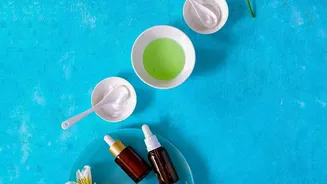
The easiest way to experience the benefits of neroli oil is by choosing skincare products that already contain it, such as serums, moisturisers, and facial oils. When using pure neroli essential oil, it is crucial to dilute it properly with a carrier oil, like jojoba or almond oil, before applying it to the skin, as essential oils are highly concentrated. A few drops can be added to your existing moisturiser or face mask to boost their benefits. As with any new skincare ingredient, especially a potent essential oil, it is always wise to perform a patch test on a small area of skin to check for sensitivity before wider use.