








Beyond the Signpost: From Visitor to Steward
To the average hiker, a trail rule can feel like an arbitrary command. But for park rangers, each rule is a crucial piece of a larger conservation puzzle. Their primary role isn't just to enforce regulations, but to educate visitors on the purpose of those
rules. When a ranger explains that staying on the trail prevents soil erosion that can take centuries to repair, or that feeding a cute chipmunk can make it aggressive and dependent on humans, the rule transforms. It's no longer just a signpost; it's an invitation to become a partner in protecting the wild spaces we love. This shared understanding is the foundation of the 'Leave No Trace' philosophy, a set of ethics designed to help people enjoy the outdoors responsibly.
The Logic of Staying on the Path
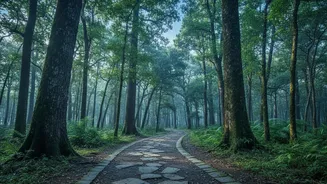
“Stay on the Trail” is perhaps the most common rule, and also one of the most important. Rangers explain that trails are specifically designed and built on durable surfaces to withstand foot traffic and manage water runoff. Stepping off the path, even to get around a muddy patch, has a cascading effect. It tramples fragile vegetation that may not grow back, compacts the soil, and creates new, unofficial “social trails.” These user-created paths accelerate erosion, harm tree roots, and fragment animal habitats. What seems like a harmless shortcut is actually a scar on the landscape. By sticking to the marked path, hikers help ensure the trail remains stable and the surrounding ecosystem stays healthy for years to come.
Pack It In, Pack It Out: More Than Just Wrappers
This rule seems simple, but its meaning runs deeper than just carrying out plastic wrappers. Rangers often have to correct the common misconception that biodegradable food items are fine to leave behind. An apple core can take months to decompose, and a banana peel up to two years. During that time, they are an eyesore and, more critically, they act as bait for wildlife. When animals learn to associate trails with food, they become habituated to humans. This can lead to aggressive behaviour, increased risk of being hit by vehicles, and the spread of disease among concentrated animal populations. It disrupts their natural foraging habits and can make them dependent, which is why even organic waste must be packed out.
Respecting Wildlife: The Rules of Encounter
The directive to observe wildlife from a distance and never feed them is about protecting both the animals and the people. Feeding wildlife, even with food you think is healthy for them, can cause malnutrition and health problems because their diets are highly specialized. In India and Sri Lanka, for example, studies have shown that elephants habituated to being fed by tourists can become aggressive and break through barriers, leading to dangerous human-wildlife conflicts. Leashing pets is another critical rule, as even a well-behaved dog can stress or chase wildlife, sometimes with fatal consequences for the smaller animal. Keeping a respectful distance ensures that wild animals remain wild and that our presence in their home is as low-impact as possible.
Letting Nature's Sounds Prevail
A less obvious but equally important aspect of trail etiquette is noise discipline. Part of the appeal of being in nature is the peace and quiet. Blaring music from a speaker or shouting loudly disrupts the experience for other hikers seeking solitude. It also causes stress to wildlife, who may perceive loud, unnatural sounds as a threat. The principle of being considerate of other visitors extends to our auditory footprint. Yielding to hikers coming uphill, another common point of etiquette, also has a clear purpose: it is harder to stop and restart when climbing than it is when descending. These social rules, often explained by experienced rangers and hikers, are designed to make the trail a more pleasant and safe shared space for everyone.