




A Green Shift on the Windowsill
Walk through any urban residential building, and you are likely to spot it: a pot of tulsi on a balcony, a small container of mint by a kitchen window, or a row of vibrant green coriander. This is not a fleeting trend but a significant shift in how city
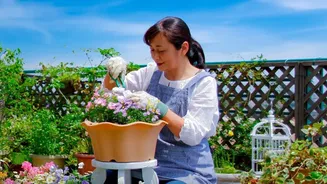
residents in India are engaging with their food and living spaces. The movement gained considerable momentum during the pandemic lockdowns, when many people turned to gardening as a source of solace and activity. What started as a temporary hobby has now blossomed into a sustained lifestyle choice for many, driven by a growing awareness of health, a desire for pesticide-free produce, and the simple joy of watching something grow. Social media has also played a huge role, making gardening seem accessible and aspirational, with thousands of urban gardeners sharing their lush balcony setups and fresh harvests online.
More Than Just a Garnish
The appeal of a kitchen herb garden goes far beyond aesthetics. The primary benefit is immediate access to fresh, flavourful ingredients. A sprig of fresh mint for a chutney or a handful of coriander to garnish a dal can elevate a simple meal. Homegrown herbs are often more potent and aromatic than their store-bought counterparts. There is also a significant health advantage; growing your own herbs gives you complete control over what goes into your food, eliminating concerns about chemical pesticides and long supply chains. Furthermore, the act of gardening itself is a known stress-reliever. Tending to plants provides a welcome, screen-free break and a tangible connection to nature, which can be immensely beneficial for mental well-being in a fast-paced urban environment. Over time, it can also lead to modest cost savings on groceries.
Your Micro-Farm Awaits
Starting a kitchen garden is simpler than many people think, even for absolute beginners with no prior experience. The key is to start small. You do not need a large terrace; a sunny windowsill or a small patch on a balcony is sufficient for a few pots. The essentials are straightforward: containers with drainage holes, a good quality potting mix (readily available online or at local nurseries), and, most importantly, sunlight. Most herbs need at least four to six hours of sunlight per day to thrive. For those with less-than-ideal light conditions or a desire for a more modern approach, technology offers solutions. Self-watering planters and compact hydroponic systems are becoming increasingly popular and affordable, allowing you to grow herbs efficiently in a soil-free environment.
Easy Herbs for the Indian Kitchen
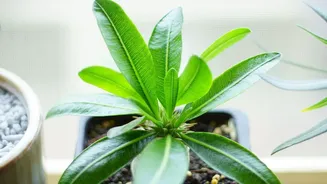
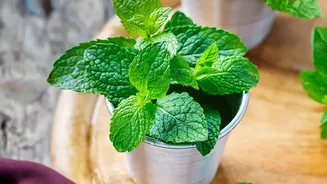
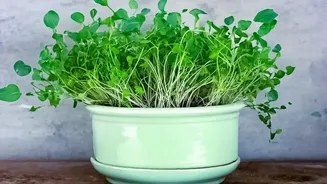
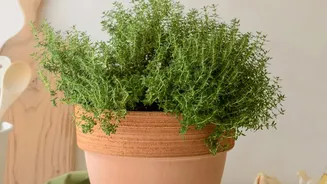
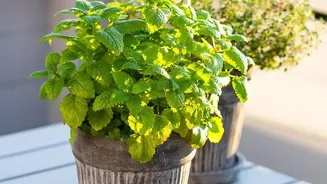
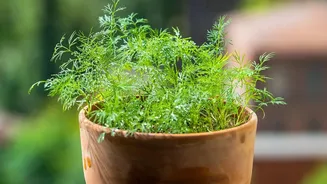
The best way to ensure success is to start with herbs that are relatively low-maintenance and frequently used in your cooking. For an Indian kitchen, a few choices are almost essential. Tulsi (Holy Basil) is a must-have in many households, revered for both its culinary and medicinal properties. Pudina (Mint) is another robust grower, perfect for chutneys and drinks, but it's best kept in a container as it can spread aggressively. Dhaniya (Coriander) is a fast-growing staple used for garnishing countless dishes. Curry leaves (Kadi Patta), while a slower grower, is a low-maintenance plant that provides a foundational flavour for much of Indian cuisine. These herbs are well-suited to the Indian climate and offer the rewarding experience of harvesting something for your dinner plate within weeks.
Conquering the Space Crunch
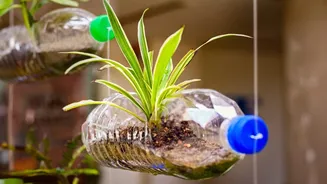
The primary constraint for any apartment gardener is space. However, a lack of horizontal space can be overcome by thinking vertically. Vertical gardening is a game-changer for small apartments. This can be as simple as using tiered planters or installing wall-mounted pockets or shelves. Railing planters are another excellent way to utilise balcony space without taking up floor area. For the more technologically inclined, vertical hydroponic towers offer a highly space-efficient method, allowing you to grow a significant number of plants in a footprint of just a square foot or two. These innovative solutions prove that a bountiful garden is not the exclusive domain of those with sprawling backyards.