

The Link Between Rain and Risk
Heavy rainfall can be a major headache for farmers, and that concern extends all the way to your kitchen. When it rains heavily, harmful bacteria from the soil, such as Listeria, Salmonella, and E. coli, can be splashed up onto the leaves and surfaces
of low-growing produce. Studies have shown that the risk of finding pathogens like Listeria in fields is significantly higher in the 24 hours following heavy rain or irrigation. The excess moisture in the fields and on the plants creates an ideal environment for these microorganisms to thrive before the vegetables are even harvested. While rain itself isn't dirty, it acts as a vehicle, transferring contaminants from the ground and surrounding environment directly onto the food that will eventually be packaged and sold.
The Problem with Pre-Cut Produce
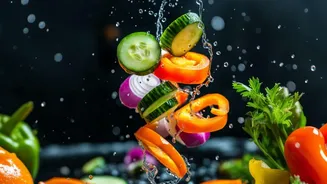
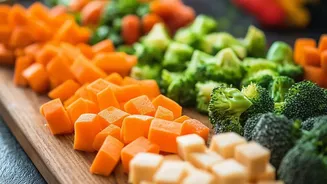
The journey from the farm to your fridge introduces more opportunities for contamination. When vegetables are chopped or sliced, their natural protective layer—the skin—is broken. This releases juices from the plant cells which, surprisingly, act as a nutrient-rich broth for bacteria. Research from the University of Leicester found that juices from damaged salad leaves could dramatically stimulate the growth of Salmonella, in some cases by over 2,400-fold. This liquid also helps bacteria like Salmonella and Listeria to attach more strongly to the vegetable pieces and even the inside of the plastic bag, making them very difficult to remove by washing. The sealed, humid environment inside a bag of pre-cut salad is the perfect incubator for these pathogens to multiply, even when refrigerated.
Which Vegetables Are Most Susceptible?
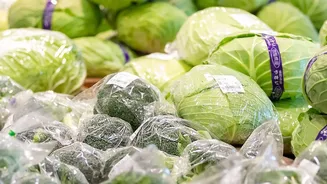
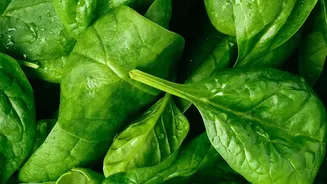
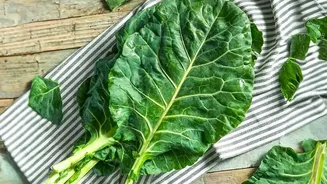
Not all vegetables carry the same level of risk. Leafy greens like spinach, lettuce, and cabbage are particularly vulnerable because their layered leaves can easily trap mud, microbes, and moisture from the rain. These are also products that are often consumed raw, meaning there is no cooking step to kill off any potential pathogens. Melons, which grow on the ground, are also a notable risk. Their rinds can be exposed to contaminated water or soil, and when the fruit is cut, bacteria can be transferred from the outside to the edible flesh inside. Numerous foodborne illness outbreaks have been linked to pre-cut melons and bagged salads, highlighting them as higher-risk categories for consumers.
How to Shop and Eat Safer
This doesn't mean you need to swear off vegetables. It just means being a more mindful consumer, especially during rainy seasons. When possible, opt for whole, uncut vegetables. You can wash and chop them yourself at home, significantly reducing the number of touchpoints where contamination can occur. If you do buy pre-cut produce, inspect the package carefully. Avoid any bags that are bruised, damaged, or have visible moisture or sliminess, as these are signs of spoilage. Always choose items that are properly refrigerated in the store, and get them into your own fridge as quickly as possible. Health authorities advise storing produce at 40°F (about 4°C) or below to slow bacterial growth. For extra precaution, even if a bag is labelled "pre-washed" or "ready-to-eat," it's a good idea to give the contents another rinse under running water right before you use them. Finally, try to consume pre-cut vegetables within a few days of purchase, as their quality and safety diminish more quickly than their whole counterparts.