



Beyond the Stereotypical Curry House
For decades, the perception of Indian food in many parts of the world was limited to a handful of North Indian dishes served in restaurants with similar menus. But a powerful shift is underway. Culinary experts and food lovers are now looking past the generic
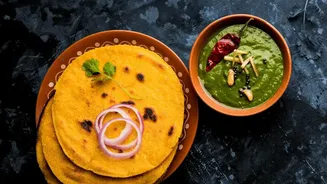
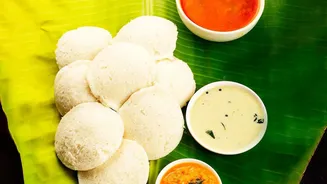
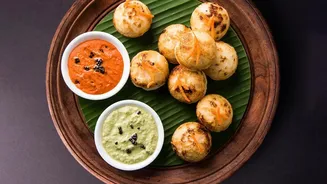
'curry' and embracing the vast diversity of India’s regional cuisines. This isn't about forced fusion, like the once-popular chicken tikka pizza, but a more confident and authentic representation of Indian culinary traditions. Chefs are increasingly presenting dishes without the need for translation, moving away from generalised menus to focus on the unique flavours of specific regions like Tamil Nadu, Bengal, and Kerala.
The Comfort of Core Ingredients
Part of Indian food's growing appeal lies in its foundational ingredients, many of which are already trusted and celebrated globally. Spices like turmeric, cumin, ginger, and cardamom have become staples in kitchens worldwide, valued for both their flavour and health benefits. Turmeric is now a key ingredient in wellness drinks and even sourdough bread, while spices like smoked paprika are finding their way into a wide array of non-Indian dishes. This built-in familiarity makes it easier for people to explore Indian dishes. When the building blocks are already known and loved, trying a new dal or sabzi feels less like an experiment and more like a natural, comforting choice.
A Playground for Modern Versatility
While rooted in tradition, Indian flavours are proving to be incredibly adaptable. The modern food landscape, with its love for bowls, small plates, and casual formats, has become a playground for Indian ingredients. Chefs and home cooks are incorporating Indian spices and concepts into tacos, burgers, salads, and pastas. This innovative approach allows Indian cuisine to fit seamlessly into contemporary eating habits. Modern Indian restaurants are reimagining classic dishes with new techniques and artistic plating, creating items like pani puri with tamarind gel or kulcha with unexpected fillings. This versatility demonstrates that Indian food can be both a comforting staple and a source of exciting culinary innovation.
The Rise of Regional and Plant-Based Stars
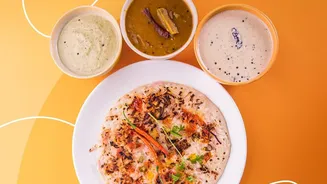
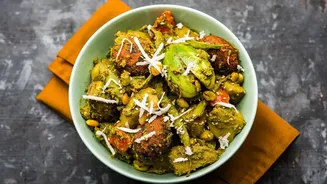
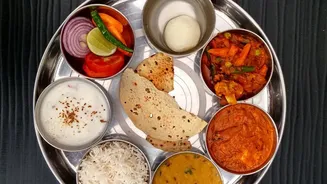
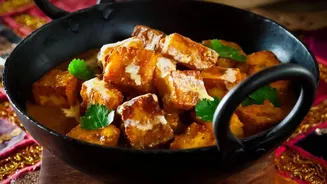
The new appreciation for Indian food is shining a spotlight on its immense regional and vegetarian diversity. Consumers are moving beyond the standard restaurant fare and showing growing interest in dishes like biryani, chaat, and dosa. This has been coupled with a global trend towards plant-based eating, an area where Indian cuisine has centuries of expertise. Ingredients like jackfruit, lentils (dal), and paneer (Indian cottage cheese) are being celebrated as hearty, protein-rich main courses. As diners become more adventurous, they are eager to explore the unique culinary stories of different Indian states, from the complex spice blends of Chettinad cuisine to the coastal flavours of Mappila cooking.
Fueled by Digital Food Culture
Social media has acted as a massive catalyst in this trend. Food influencers and content creators on platforms like Instagram and YouTube showcase everything from street food discoveries to complex traditional recipes, making the cuisine more accessible than ever. Viral videos of sizzling tadkas and perfectly plated dishes can make a small local vendor famous overnight. This digital buzz is driven by creators who build loyal communities by sharing reviews, recipes, and culinary stories. This online ecosystem has tightened the loop between discovery and consumption, allowing users to see a trending dish online and order it from a local restaurant within minutes.