

1. The Ndlamu Warrior Stomp
Originating from the Zulu people of South Africa, the Ndlamu is a powerful warrior dance traditionally performed before battle to build morale and display strength. It’s characterized by high kicks and forceful stomps, making it a phenomenal high-intensity
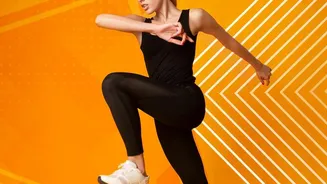
exercise. For a fitness application, you don’t need the full ceremonial regalia, just the explosive spirit. Think of it as a dynamic, full-body alternative to box jumps. Stand tall, then drive one knee up high towards your chest before stomping down forcefully. Alternate legs in a rhythmic pattern. This movement is incredible for developing explosive leg power, strengthening your core as you stabilize, and improving cardiovascular endurance. The sheer energy and power of the stomp make it far more engaging than static reps.
2. Senegalese Wrestling Lifts
Laamb, or Senegalese wrestling, is a national sport and a cultural phenomenon. Its training is notoriously rigorous, focusing on raw, functional strength. Wrestlers often train in deep sand, performing a variety of lifts and carries with a partner's body weight. To adapt this for your session, you can use a heavy sandbag or a willing training partner. Focus on exercises like the fireman's carry, sandbag-to-shoulder lifts, or bear hug squats. The unstable nature of the sandbag or a person forces your stabilizer muscles to work overtime, building immense core strength and real-world power that translates far beyond the gym. It’s a departure from perfectly balanced barbells, challenging your body in a more primal and comprehensive way.
3. The Rungu Club Swing
The rungu is a wooden throwing club, famously used by Maasai warriors in East Africa as both a tool and a symbol of leadership. While traditionally used for hunting and protection, its shape makes it a perfect tool for developing rotational power and shoulder health, similar to a modern steel mace or clubbell. You can purchase a light clubbell to start. The basic swing involves gripping the handle and creating a smooth, pendulum-like motion around your body. This builds grip strength, core stability, and bulletproofs the shoulder joints through a full range of motion. It’s a three-dimensional movement that challenges your coordination and rhythm, a welcome change from the linear paths of dumbbells and barbells.
4. The Maasai 'Adumu' Jump
You may have seen videos of the Maasai 'adumu' or jumping dance, where men gather in a circle and take turns leaping straight into the air. This is not just for show; it's a traditional ceremony and a form of plyometric training that develops incredible elastic strength and vertical jumping ability. The key is the minimal ground contact time and the focus on a powerful rebound from the balls of the feet. To incorporate this, practice repetitive vertical jumps, focusing on being light and springy. Don’t bend your knees too much; the power comes from your ankles and calves. This builds explosive power, strengthens tendons, and improves your running efficiency. It’s a joyful, rhythmic way to build athletic power.
5. The Agbekor Rhythm Squat
Agbekor is a war dance of the Ewe people in Ghana and Togo. Its music is famously polyrhythmic, and the dance movements are vigorous and codified, mimicking battlefield tactics. One can adapt the essence of Agbekor by performing rhythmic squats. Instead of a simple up-and-down motion, you play with tempo and pulse. Try squatting to a beat, holding the bottom position for two counts, pulsing three times, and then exploding up. This method builds muscular endurance and control in a way that standard sets and reps often miss. The constant tension and rhythmic variation shock the muscles into new growth and make a simple squat feel like a dynamic, engaging dance.