



What is V2V Technology?
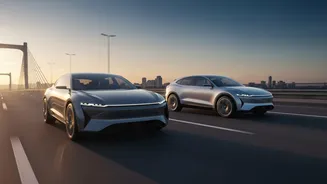
Vehicle-to-Vehicle (V2V) communication allows cars, trucks, and even two-wheelers to 'talk' to each other wirelessly. Using a dedicated radio frequency, vehicles can broadcast and receive small packets of information up to 10 times per second. This data
includes speed, direction, braking status, and location. Unlike current safety systems that rely on cameras and sensors (which can be hampered by bad weather or blind spots), V2V technology provides a 360-degree awareness of surrounding traffic, enabling cars to 'see' what the driver cannot. If a potential collision is detected—like a car up ahead braking suddenly or another vehicle running a red light—the system can issue an audio or visual warning, giving the driver precious extra seconds to react.
India's Mandate for Safer Roads
The Ministry of Road Transport and Highways (MoRTH) has proposed a significant change to vehicle safety rules. A draft notification outlines plans to make V2V communication systems mandatory for all new vehicles manufactured from October 1, 2028. This comprehensive mandate would apply to a wide range of vehicles, including two-wheelers (Category L), passenger vehicles like cars and SUVs (Category M), and commercial goods vehicles like trucks and buses (Category N). The rollout is planned in phases, with a transitional period starting in October 2027, where any vehicle voluntarily equipped with V2V must comply with the new AIS-230 standard. This positions India to be one of the first major automotive markets to implement such a wide-ranging mandate, aiming to drastically reduce the high number of road accidents.
How It Will Work on Indian Roads
The practical applications of V2V are particularly suited to India's chaotic and diverse traffic conditions. The system can provide alerts for a variety of critical situations. For instance, it can warn of forward collisions, where a vehicle several cars ahead brakes hard, an event often hidden from a driver's view. It also enables blind-spot warnings and lane-change assistance, crucial in dense urban traffic. Furthermore, V2V can detect vehicles approaching an intersection from an obscured angle or even alert drivers to a vehicle moving the wrong way on a highway. The technology operates on the Cellular Vehicle-to-Everything (C-V2X) platform, using a specific frequency band that the Department of Telecommunications has exempted from licensing requirements, paving the way for its adoption.
Overcoming Unique Challenges
While the potential benefits are immense, implementing V2V in India presents a unique set of challenges. A key issue is the 'network effect'; the technology is only truly effective when a large number of vehicles are equipped with it. During the initial years, new V2V-enabled cars will share the road with millions of older, non-connected vehicles, meaning onboard sensors will remain essential. Another significant hurdle is cost. The price of the onboard units could increase vehicle prices, a sensitive issue in cost-conscious segments. Furthermore, ensuring interoperability between systems from different manufacturers is critical for seamless communication across all brands. Cybersecurity is also a major concern, as the system must be protected from hacking or fake alerts that could cause accidents.
The Road Ahead for Connected Cars
This V2V mandate is part of a larger push towards creating an Intelligent Transport System (ITS) in India. Industry bodies like the Automotive Component Manufacturers Association of India (ACMA) are playing a crucial role in fostering the innovation and collaboration needed to build this ecosystem. The initiative requires close partnership between vehicle manufacturers, technology firms, and government bodies to standardize the technology and ensure its reliability. While some experts call for more extensive real-world trials on Indian roads to fine-tune the system and study driver responses before a nationwide mandate, the government's proposal marks a clear shift in strategy. This drive isn't just about adding a new feature to cars; it's about building a foundational layer for a future of smarter, safer, and more efficient mobility across the country.