

The Allure of Sikkim's Roads
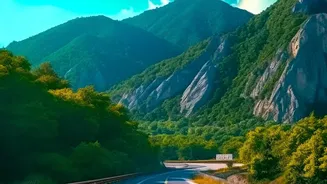
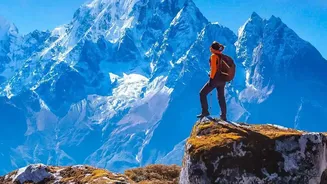
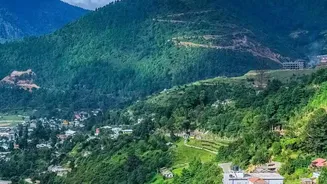
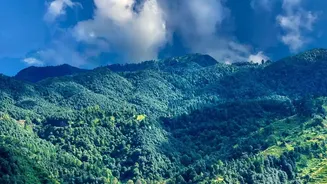
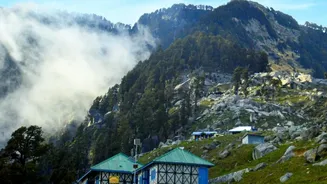
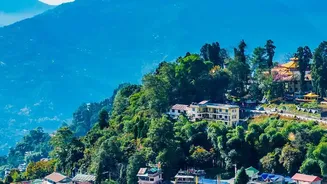
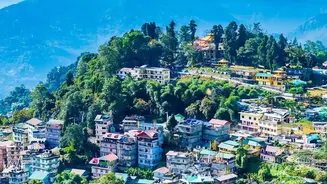
A road trip in Sikkim is unlike any other. It’s a journey through extraordinary changes in landscape, from the lush, subtropical valleys near the Teesta River to the cold, alpine deserts at 17,000 feet. The roads themselves are an adventure, carving through mountainsides,
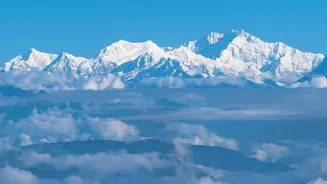
crossing dramatic waterfalls, and revealing sudden, stunning views of the Kanchenjunga range. This is not a trip measured in kilometres, but in experiences: the sound of prayer flags in the wind, a warm cup of tea overlooking a misty valley, and the sight of a centuries-old monastery perched on a remote hill. The journey is the destination, a slow unfolding of culture, nature, and perspective that begins the moment you leave the plains behind.
Planning Your Mountain Adventure
Before you start your engine, two things are critical: timing and permits. The best times to travel are during the spring (March to May) and autumn (October to November). Spring offers blooming rhododendrons, especially in Yumthang Valley, while autumn provides clear blue skies and the sharpest mountain views. Avoid the monsoon season (June to September) when heavy rains can cause landslides and road closures.For Indian tourists, while main towns like Gangtok, Pelling, and Ravangla require no permits, the most spectacular regions do. A Protected Area Permit (PAP) is mandatory for visiting places like Tsomgo Lake, Nathula Pass in East Sikkim, and the entire North Sikkim circuit including Lachen, Lachung, and Gurudongmar Lake. These permits cannot be obtained by individuals directly; they must be arranged through a Sikkim-registered tour or taxi operator, usually as part of your vehicle booking. Ensure you carry multiple copies of a valid photo ID (Voter ID or Driving Licence are safest) and several passport-sized photos.
East Sikkim: Tracing the Old Silk Route
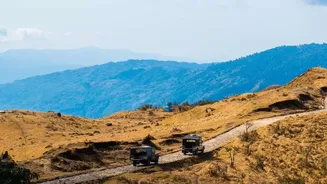
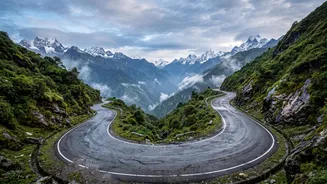
For a journey steeped in history and drama, explore the Old Silk Route in East Sikkim. This is the ancient trade corridor that connected Lhasa to India. The highlight of this route is the drive to Zuluk, a small village famous for its incredible series of 32 hairpin bends. The drive continues through rugged, high-altitude terrain to places like Nathang Valley, Kupup Lake (also known as Elephant Lake), and the Old Baba Mandir. The Thambi Viewpoint offers a jaw-dropping sunrise panorama of the Kanchenjunga massif. This route requires a special permit and is best experienced with a local driver who understands the challenging conditions. It offers a raw, less-crowded alternative to the more frequented tourist spots, showcasing the wild beauty of the Eastern Himalayas.
West & South: Monasteries and Vistas
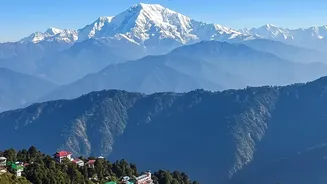
The drive through West and South Sikkim is a journey through the state's cultural and spiritual heartland. The route from Gangtok to Pelling is filled with iconic sights. Pelling itself offers some of the most magnificent, up-close views of Kanchenjunga. Nearby, you can explore the historic Rabdentse Ruins, the former capital of Sikkim, and the sacred Khecheopalri Lake, where wishes are whispered amidst fluttering prayer flags. The Pemayangtse Monastery, one of Sikkim's oldest and most important, is another essential stop. Further south, the road connects to Ravangla, home to the serene Buddha Park, and Namchi, known for the giant statue at Samdruptse Hill and the Char Dham complex. These roads are generally more accessible and offer a gentler, though no less beautiful, driving experience.
North Sikkim: A Raw, High-Altitude Frontier
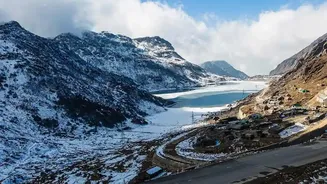
The journey to North Sikkim is the ultimate Himalayan road adventure. Starting from Gangtok, the road leads to the twin villages of Lachen and Lachung, which serve as bases for exploring the region. The drive itself is spectacular, passing by the Seven Sister Waterfalls and through deep valleys. From Lachen, a pre-dawn start takes you on a rugged path to the breathtaking Gurudongmar Lake, one of the world's highest lakes, situated at over 17,000 feet. From Lachung, the road leads to the famous Yumthang Valley, a vibrant meadow known as the 'Valley of Flowers' in spring. A further drive can take you to Zero Point (Yumesamdong), where the civilian road ends in a landscape of snow and rock. Travel in North Sikkim is exclusively through registered tour operators, and self-drive cars from outside the state are not permitted. The altitude is extreme, so acclimatisation is crucial.
Travel Smarter on Sikkim's Roads
To make the most of your journey, always hire a reliable local driver with a well-maintained vehicle; they are experts in navigating the permits and tricky road conditions. Pack in layers, as the weather can change drastically from one valley to the next. Carry essential medicines, especially for altitude sickness, and keep hydrated. Mobile networks can be patchy, especially in the north, so have your plans and documents accessible offline. Finally, respect the local culture. Sikkim is a clean state with strict rules against littering, and a conservative culture, especially around religious sites. A friendly attitude and a willingness to embrace the slow pace of mountain life will make your journey truly unforgettable.