






More Than a Holiday, It's a Partnership
For years, tourism often meant that visitors enjoyed the beauty of a place while local communities remained on the sidelines. Kerala decided to change this script. The state's Responsible Tourism (RT) Mission, launched over a decade ago, was built on a simple
but powerful idea: tourism should create better places for people to live in and better places for people to visit. This isn't just about eco-friendly hotels; it's a deep, systemic approach that connects tourists with the heart of Kerala – its villages, farmers, and artisans. The model aims to ensure that the money you spend on your holiday directly benefits the families who call your destination home.
Putting People and Communities First
The core of Kerala’s success lies in making local communities active partners, not just passive recipients of tourism benefits. Through initiatives like the Kudumbashree programme, thousands of women-led enterprises have been linked to the tourism sector. These groups provide everything from authentic home-cooked meals for visitors to running their own small homestays and producing local handicrafts. In fact, about 80% of the state's registered responsible tourism units are led by women, a testament to its focus on gender-inclusive growth. This community-centric model has turned tourism into a reliable source of livelihood for over 1.5 lakh families across the state.
Walk the STREETs of a New Tourism
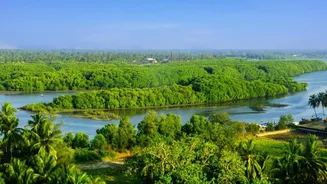
One of the most innovative recent initiatives is the STREET project, which stands for Sustainable, Tangible, Responsible, Experiential, Ethnic, Tourism Hubs. This award-winning project develops theme-based streets in rural areas, inviting tourists to explore specific aspects of a village's culture. You might find yourself on a 'Water Street' in Maravanthuruthu experiencing life on the backwaters, or a 'Cultural Street' in Kadalundi enjoying local art forms. The idea is to move beyond crowded tourist spots and offer deeper, more authentic experiences. This decentralised approach helps preserve the unique identity of each location while ensuring that economic benefits are spread more widely.
Economic Growth with an Environmental Conscience
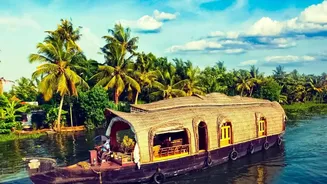
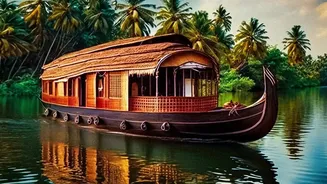
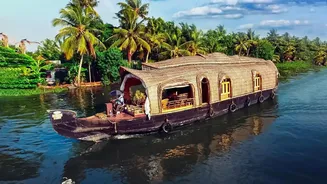
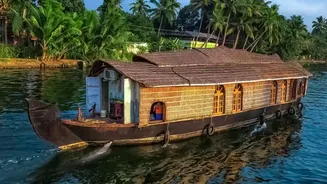
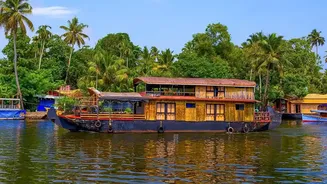
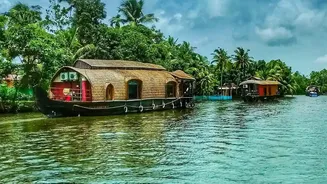
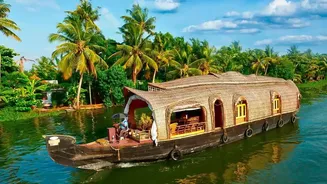
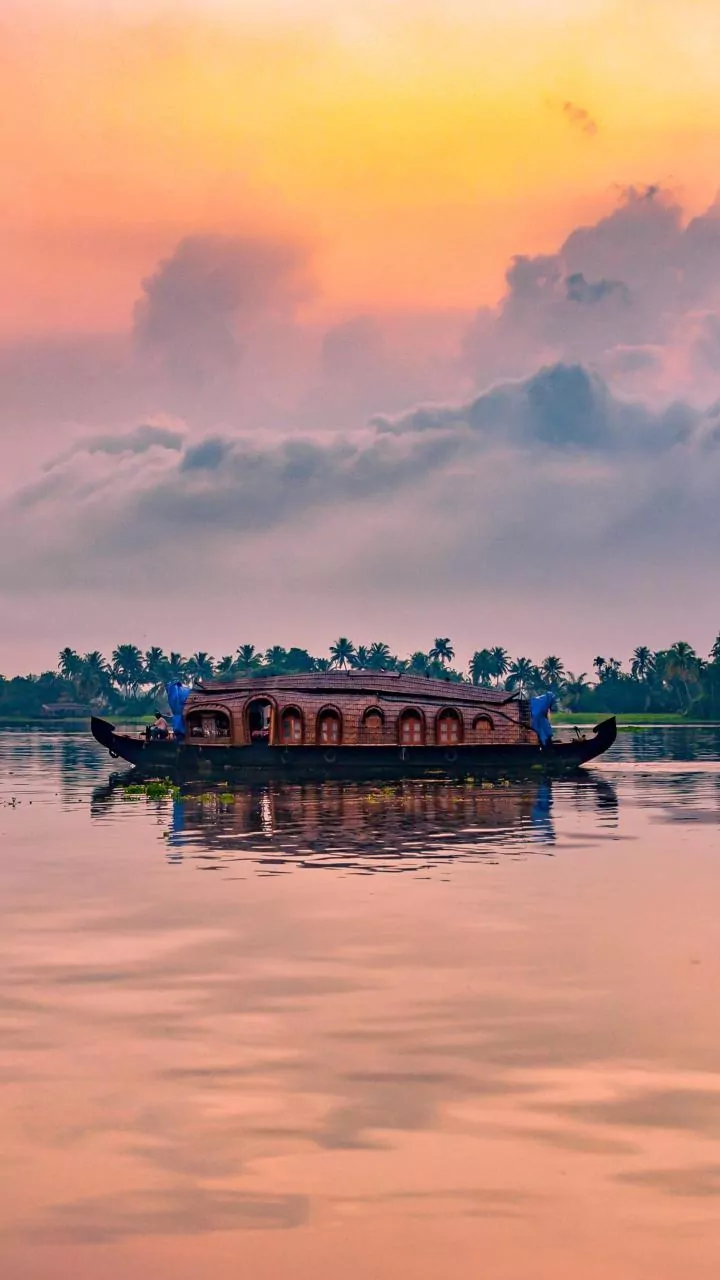
Sustainable tourism in Kerala is also about protecting the natural beauty that draws visitors in the first place. The model promotes a triple bottom line: economic, social, and environmental responsibility. This translates into concrete actions like banning plastic in tourism activities, promoting eco-friendly houseboats that use solar power, and encouraging the local sourcing of food and materials to reduce carbon footprints. Destinations like Kumarakom, which won a national award for agri-tourism, allow visitors to experience farming life, which helps conserve the delicate paddy field ecosystems. These efforts have not gone unnoticed, with the state winning numerous national and international awards for its green and community-focused initiatives.
How You Can Be a Responsible Traveller
Experiencing Kerala's responsible tourism is easier than you might think. When planning your trip, look for homestays and hotels that are part of the Responsible Tourism Mission. Opt for community-run tours, dine at local eateries, and buy souvenirs directly from artisans. Instead of just sightseeing, participate in experiences like village life tours, cooking classes, or farm visits. By making these conscious choices, you are not just a tourist; you become part of a sustainable movement that supports local livelihoods, preserves culture, and protects the environment for future generations.