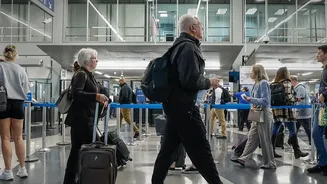




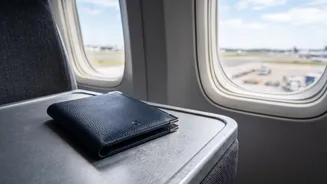

It’s a heart-sinking moment: you’ve deplaned, cleared the jet bridge, and suddenly realise your tablet, headphones, or jacket is still on board. Your first instinct is to rush back, but you’ll be stopped. Here’s why.
The Secure Zone Lockdown
The primary reason you can't re-board
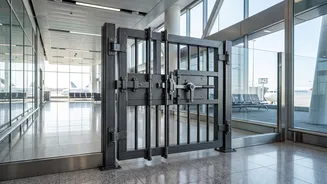
an aircraft is security. Once you deplane and exit into the terminal, you have left a tightly controlled, secure 'airside' environment. Allowing passengers to freely move back and forth would breach multiple security protocols designed to keep the aircraft and airport safe. Once the doors are closed for departure preparation, or after passengers have disembarked, the plane is once again a restricted area. Only authorised personnel, like crew and ground staff who have undergone security screening, are permitted access. This strict control prevents unauthorised individuals from accessing the aircraft, whether by mistake or with malicious intent.
A Logistical Labyrinth
An aircraft is not a static waiting room; it's the central piece in a rapid, complex logistical puzzle. The moment the last passenger steps off, a flurry of activity begins. Cleaning crews board to prepare the cabin for the next flight, caterers restock galleys, and ground staff perform necessary checks. This 'turnaround' can be incredibly tight, sometimes just 30 to 40 minutes for a domestic flight. A passenger attempting to return to their seat would interfere with this tightly choreographed process, potentially causing delays that cascade through the airline's schedule for the rest of the day. Furthermore, the item you left behind might not even be on the plane anymore; the cleaning crew may have already found it and handed it off to ground staff.
The Chain of Custody
When an item is found, a formal process kicks in to establish a 'chain of custody'. Items are collected, logged, and transferred to a designated lost property office. This procedure is crucial for several reasons. Firstly, it creates a verifiable record of what was found and when, which protects both the airline from false claims and the passenger by ensuring the item is tracked within their system. Secondly, it centralises the search process. With thousands of items left on planes every week, a central system is the only efficient way to manage and match items to the reports filed by passengers. Allowing individuals to search for their own items would create chaos and make it nearly impossible to track belongings properly.
Liability and Responsibility
Airlines have specific liability limits for lost or damaged checked baggage, governed by regulations like those from the Department of Transportation. While these rules don't apply in the same way to carry-on items you forget, the principle of managed liability does. By controlling the retrieval process, the airline limits its exposure to claims of theft or damage. If a passenger were allowed back onto a plane and claimed their item was now missing or broken, it would create a difficult situation. The staff-assisted process ensures that anything found is handled and documented according to a standard procedure, providing a clear and defensible record of their actions. Low-value items like books may be disposed of, while high_value items are carefully logged.
What You Should Do Instead
If you realise you've left something behind before leaving the gate area, immediately alert the gate agent. They are in the best position to quickly contact the cabin crew and potentially retrieve the item before the plane is locked down. If you've already left the airport, your first step is to visit the airline's website and fill out their dedicated lost_and_found form. Provide as much detail as possible:_your flight number,_seat number,_and a thorough description of the item,_including brand,_colour,_and any unique marks._This is the most effective way to initiate a search._Remember that airports have multiple lost and found departments—one for the airline (for items left on planes), one for the TSA (for items left at security), and one for the airport authority itself (for items left in terminals). Filing a report with the correct entity is key.