




The Allure of the Mediterranean Way
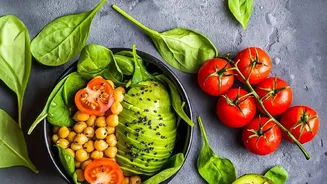
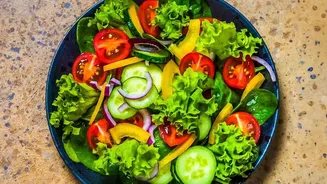
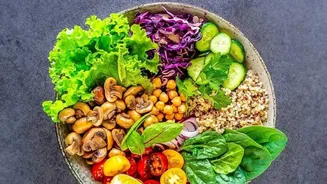
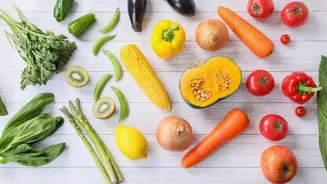
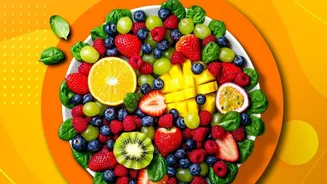
The Mediterranean diet isn’t just a diet; it’s a lifestyle celebrated for its potential to reduce the risk of heart disease, lower bad cholesterol, and improve overall health. It emphasizes plant-based foods like fresh vegetables, fruits, legumes, and whole
grains, along with generous amounts of extra virgin olive oil and regular servings of fish and seafood. With its focus on flavor, fresh ingredients, and enjoying meals with others, it's an appealing and sustainable approach to eating. This focus on whole, satisfying foods is a major reason for its popularity, moving away from restrictive fads. However, the diet's success hinges not just on what you eat, but also on how much.
The Healthy Calorie Conundrum
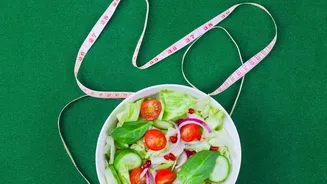
One of the biggest mistakes people make is overlooking portion sizes. This is especially true with calorie-dense staples of the diet like olive oil, nuts, and cheese. These foods are packed with nutrients and healthy fats, but they are also high in calories. For instance, a single tablespoon of olive oil contains around 120 calories. A serving of nuts, typically a small handful (about 1/4 cup), can easily contain over 200 calories. While these fats are beneficial, consuming them in excessive amounts can lead to weight gain, undermining one of the key health goals for many who adopt this eating style. The principle is simple: total calories still count, regardless of their source.
Mastering Your Fats: Oils and Nuts
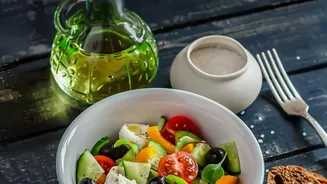
To reap the benefits without the caloric surplus, mindful portioning is key. For olive oil, think of it as a finishing touch rather than a base. Instead of drenching your salad, use a spray bottle or measure out one to two tablespoons. When cooking, a single tablespoon is often enough to coat a pan. For nuts and seeds, portion them out instead of eating directly from the bag. A standard serving is about a 1/4 cup, which is roughly the size of a golf ball or a small cupped handful. This provides healthy fats and satiety without becoming a calorie bomb. Pre-portioning snacks into small bags can be a great strategy to prevent mindless overeating.
Grains, Cheese, and Proteins
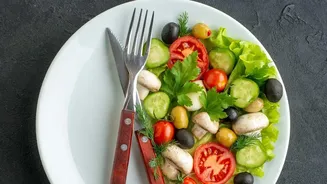
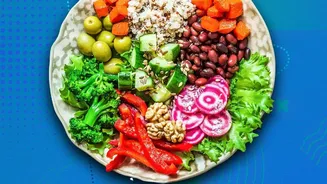
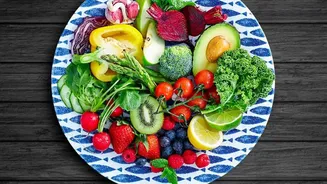
Portion awareness should extend to all elements of your plate. For whole grains like pasta, rice, or quinoa, a typical serving is about half a cup cooked, roughly the size of your fist. Cheese, another Mediterranean favorite, should also be enjoyed in moderation. A serving of hard cheese is about one ounce, which looks like the size of a domino. When it comes to protein like fish or poultry, a serving is typically 3 to 4 ounces cooked, or about the size of a deck of cards. Fill the rest of your plate—at least half—with a variety of colorful vegetables, which are low in calories and high in nutrients and fiber, helping you feel full and satisfied.
Mindful Eating, Mediterranean Style
Beyond measuring, practicing mindful eating can naturally guide you toward appropriate portions. This lifestyle isn't just about food; it's about slowing down and savoring your meals. Pay attention to your body's hunger and fullness signals, a process that takes about 20 minutes for your brain to register. To help, put your fork down between bites, avoid distractions like watching TV during meals, and chew your food thoroughly. Using smaller plates can also create the illusion of a full plate, helping you feel satisfied with less food. By being present during your meal, you’ll better appreciate the flavors and textures and become more attuned to when you’ve had enough.